This post was originally published on here
In a major advancement in material science, researchers have created a new artificial surface that can rapidly change both its color and texture—similar to the skin of an octopus. The material reacts to liquid triggers, transforming from dull to glossy and producing shifting surface patterns before returning to its original appearance.
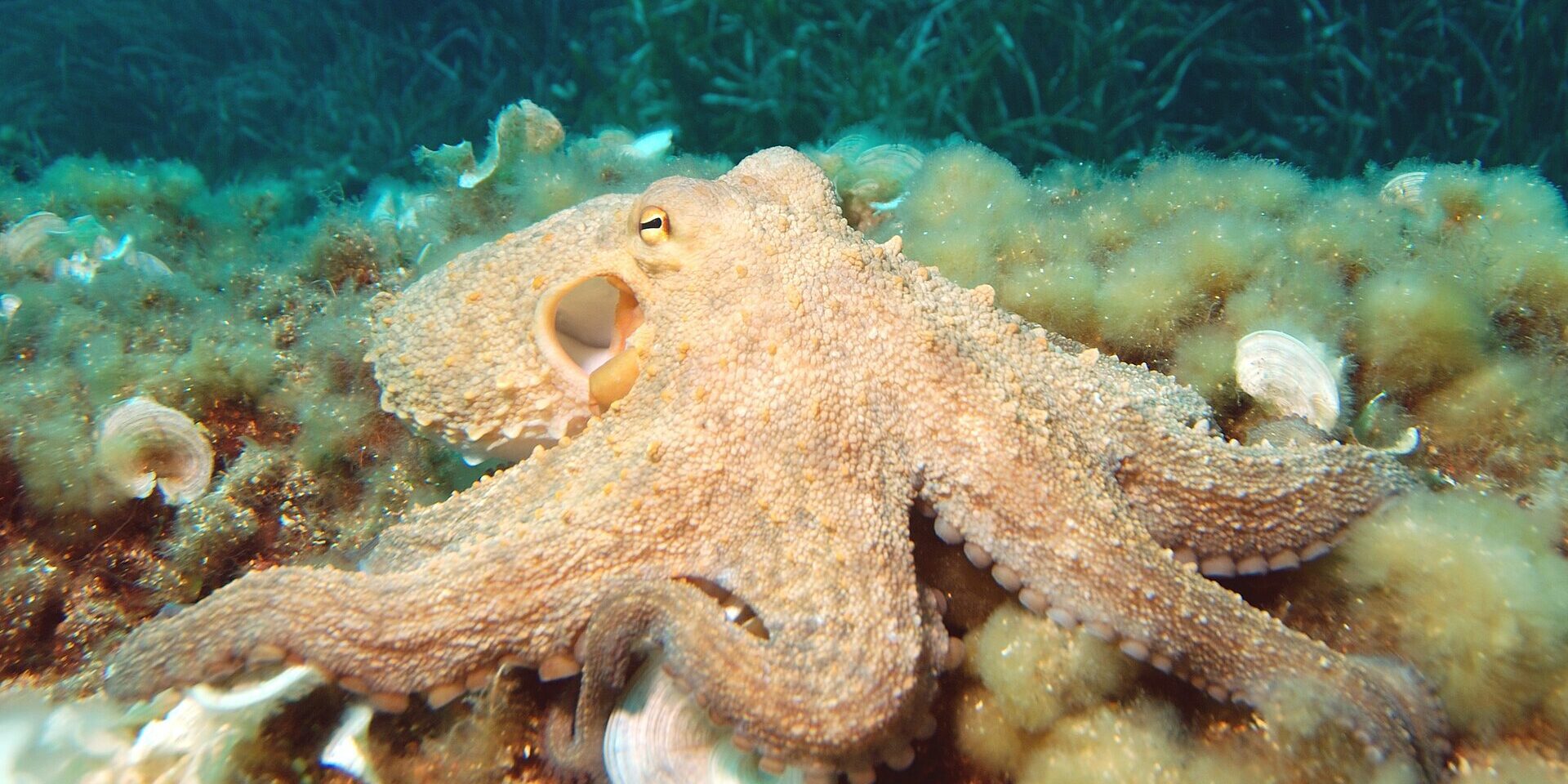
This innovation was detailed in the journal Nature, and it showcases how scientists are increasingly looking to nature for design inspiration. The research builds on how octopuses and cuttlefish use small muscles beneath their skin to change appearance instantly. These sea creatures can adapt their color and texture to either blend into their surroundings or communicate with others.
By studying these natural abilities, researchers aimed to design a surface that could be adjusted on demand, offering both visual and tactile changes. The result is a synthetic skin that mimics this natural flexibility in a simple, controllable way.
Simple liquid triggers activate changes in texture and shine
The team behind the project, led by materials scientist Siddharth Doshi at Stanford University, used a flexible polymer already known in electronics and solar technology. This polymer, applied as a thin layer, responds differently to water and alcohol. When it comes into contact with water, the surface expands. When alcohol is introduced, it shrinks back to its original state.
To create changing textures, scientists used an electron beam to carefully pattern specific areas of the surface, controlling how each part reacts to moisture. These small differences allow light to reflect off the material in different ways, making it look shiny from one angle and matte from another. In some cases, the surface even appears to shift colors.
The changes can happen quickly and are fully reversible. A small amount of water mixed with alcohol is enough to trigger the transformation. The researchers also demonstrated how a transparent film can guide the flow of liquids over the surface, helping control the reaction more precisely.
From smart surfaces to next-generation design
Experts believe this development opens the door to a wide range of practical uses. Philippe Lalanne, a nanophotonics researcher at the Aquitaine Institute of Optics in France, called the approach “highly original” and said the material offers potential for visual effects not possible before.
This octopus-inspired material could be used in everything from consumer gadgets to building designs. Imagine windows or car surfaces that adjust appearance based on sunlight or clothing that changes look at the push of a button.
The breakthrough highlights how nature continues to influence modern engineering. By borrowing the adaptive strategies of marine animals, scientists are designing materials that can interact more intelligently with their environment — responding instantly, and without the need for complex electronics or heavy machinery.