This post was originally published on here
After close to 40 years drifting through the Southern Ocean, the massive Antarctic iceberg A‑23A is showing signs that it is entering the final stage of its life cycle.
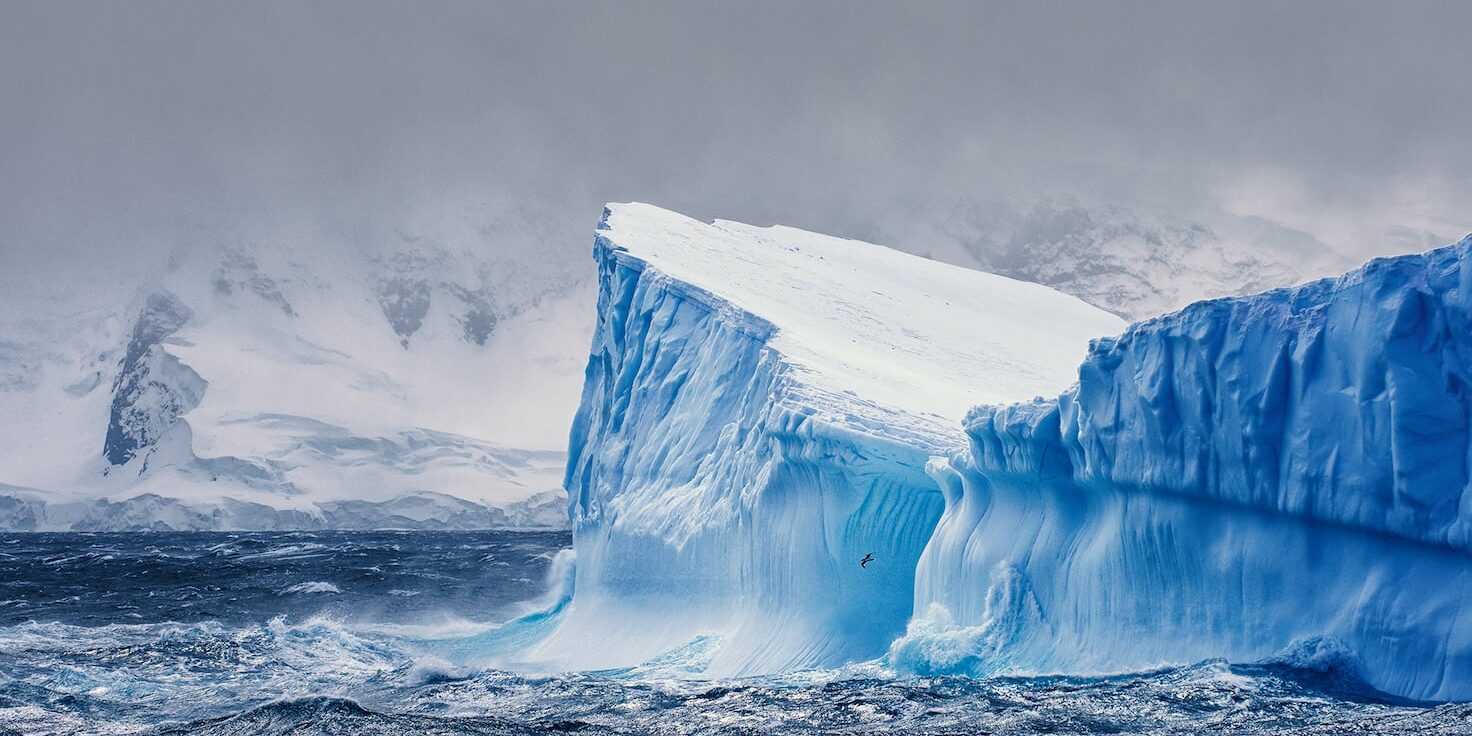
Last month, NASA and NOAA satellites captured a striking transformation: the iceberg’s surface had turned a vivid, electric blue as meltwater pooled across its top. The color change is significant – icebergs and glaciers start to appear blue once they start losing air bubbles deep within their structures. A‑23A is now in that phase.
[embedded content]
Stable icebergs like A‑23A can spend 50 years or longer floating in the icy Arctic but once they stray into warmer waters, they start to disintegrate.
A‑23A came to life in 1986 when it broke away from Antarctica’s Filchner Ice Shelf. It is one of the largest icebergs on record, spanning more than 14,600 square miles, nearly twice the size of Rhode Island.
Today, according to US National Ice Center estimates, it has shrunk, but still covers more ground than New York City. Last summer, the iceberg developed major fractures that foreshadowed its current state.
Still the reigning champ 🥇🧊
Iceberg A-23A has been losing large chunks of ice as it drifts in the South Atlantic Ocean. When NASA’s Aqua satellite captured this image on July 22, 2025, the berg spanned 2,510 sq km (969 sq mi)—still the largest freely floating iceberg on Earth! pic.twitter.com/ZjITBCEk5d
— NASA Earth (@NASAEarth) August 4, 2025
Cracks, color, and the telltale signs of a dying iceberg
On December 26, 2025, MODIS (Moderate Resolution Imaging Spectroradiometer) on NASA’s Terra satellite captured a striking image – large pools of blue meltwater were clearly visible on A‑23A‘s surface. A telltale sign that the iceberg is dying.
Ted Scambos, a senior research scientist at the University of Colorado Boulder explained the physical transformation which A‑23A is undergoing: “You have the weight of the water sitting inside cracks in the ice and forcing them open”. A thin white rim also appeared around the iceberg’s outer edge – most likely caused by the ice flexing upward as its margins melt at the waterline.
And another striking feature caught NASA’s attention: bold blue‑and‑white stripes visible in photos taken from the International Space Station. These streaks are ancient scars— glacial striations carved hundreds of years ago as the ice scraped across Antarctica’s rocky bed. Retired University of Maryland Baltimore County scientist Chris Shuman noted: “It’s impressive that these striations still show up after so much time has passed, massive amounts of snow have fallen, and a great deal of melting has occurred from below”.
A longevity record on the verge of ending
For decades, A‑23A held the distinction of being one of the largest and oldest icebergs still in motion (it is currently the eighth largest). But its long run is coming to an end.
Shuman identified a “blowout” on the iceberg’s left flank—a rupture caused when meltwater pressure punches through the ice. This kind of failure often signals that a breakup is imminent – possibly days or weeks away. “I certainly don’t expect A-23A to last through the austral summer,” Shuman noted.
A‑23A now appears destined for what glaciologists grimly refer to as the “iceberg graveyard,” a region where warmer air and ocean temperatures—intensified by climate change—rapidly destroy drifting ice giants. As A‑23A fades, other massive bergs such as A‑81 and B‑22A linger near the Antarctic coast, preparing for their own northward journeys and the same inevitable fate.
Related stories
Get your game on! Whether you’re into NFL touchdowns, NBA buzzer-beaters, world-class soccer goals, or MLB home runs, our app has it all.
Dive into live coverage, expert insights, breaking news, exclusive videos, and more – plus, stay updated on the latest in current affairs and entertainment. Download now for all-access coverage, right at your fingertips – anytime, anywhere.