This post was originally published on here
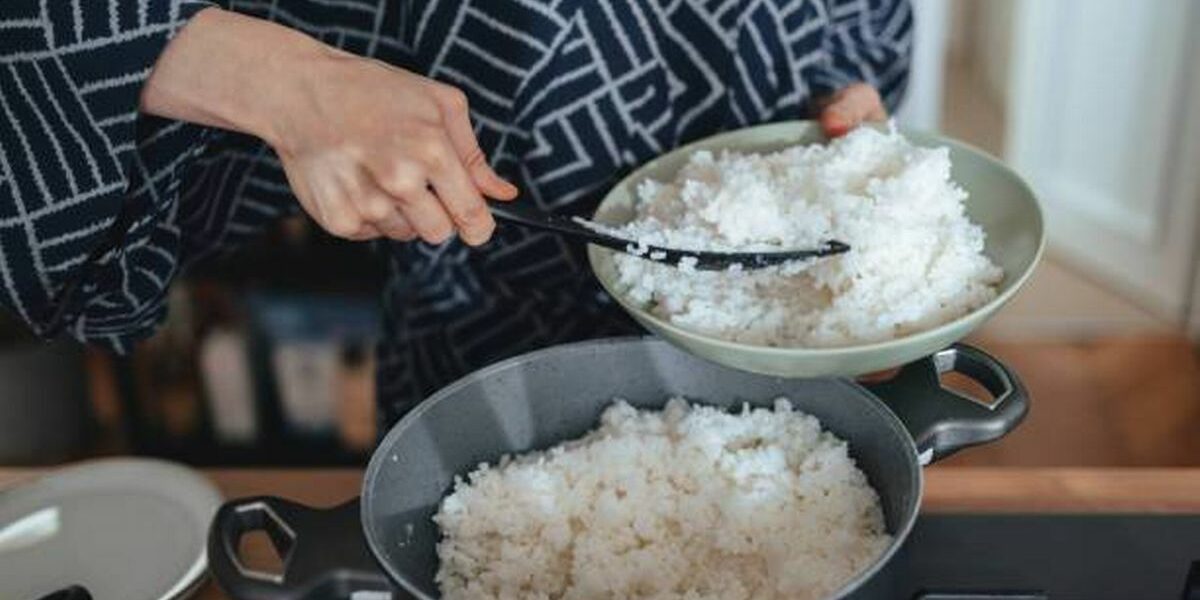
Reheating rice can cause food poisoning from Bacillus cereus bacteria, but a biomedical expert has shared whether leftover rice can actually be reheated or not.
A biomedical science expert has finally put to rest the long-standing debate on whether it’s safe to reheat cooked rice. It’s common knowledge that rice can often be a culprit in food poisoning cases, leaving those conscious about waste unsure of what to do with leftovers.
The risk lies in Bacillus cereus, a bacteria that can cause acute intoxication when ingested, leading to gastrointestinal illness characterised by vomiting and frequent diarrhoea. Dr Gail Rees, head of the school of biomedical sciences and an associate professor in Human Nutrition at the University of Plymouth, has offered her professional insight into this matter.
She advised: “Rice can be reheated. Don’t store cooked rice at room temperature – cool it quickly and store in the fridge, preferably within an hour. If you reheat it – make sure it is piping hot (above 75 degrees C).
“Don’t store longer than 1- 2 days in the fridge. It can contain spores of the bacteria Bacillus cereus which can survive being cooked – but the risk is low if the rice is cooled and stored correctly. Never reheat more than once. You can also freeze rice but again make sure you cool it quickly so it goes in within the hour. Defrost in the fridge and heat to piping hot.”
Dr Gail has also shed light on other prevalent health risks concealed in food – revealing that raw poultry is the most frequent culprit behind food poisoning. The associate professor highlighted two microorganisms responsible – Campylobacter bacteria and Salmonella – rendering raw poultry “most risky”, reports Surrey Live.
She explained: “Both Campylobacter bacteria and Salmonella are found in raw poultry. So I would go with undercooked poultry as the most risky and cross-contamination from uncooked poultry (bacteria from raw poultry transferring to surfaces, utensils and foods that will be eaten raw).”
Discussing another hazardous seafood that proves popular with some, Dr Gail noted: “Oysters are risky as they are often eaten raw and can contain viruses such as norovirus from polluted water (they are filter feeders and so filter large volumes of water and viruses accumulate in the oyster).
“Other shellfish is safer if it is cooked thoroughly to destroy viruses or bacteria. However, toxins produced by bacteria can still be present and this isn’t broken down on cooking. So if you are vulnerable (such as those with lower immunity or are pregnant) it is best to avoid raw shellfish.”
She issued this caution about eating oysters: “If you have consumed a lot of alcohol at the same time as contaminated oysters you can feel more ill. And if you have had a lot of alcohol and are swallowing the oyster whole, you could choke if you are not careful. Alcohol could make it more likely for some individuals to react if you have an allergy to shellfish or a histamine intolerance.”
Specialists in biomedical sciences and human nutrition like Dr Gail Rees contribute towards advancing understanding and innovations for healthcare and raising public health consciousness. A registered dietician and nutritionist, Dr Gail Rees brings more than 15 years’ worth of research expertise from the NHS and various academic establishments.