This post was originally published on here
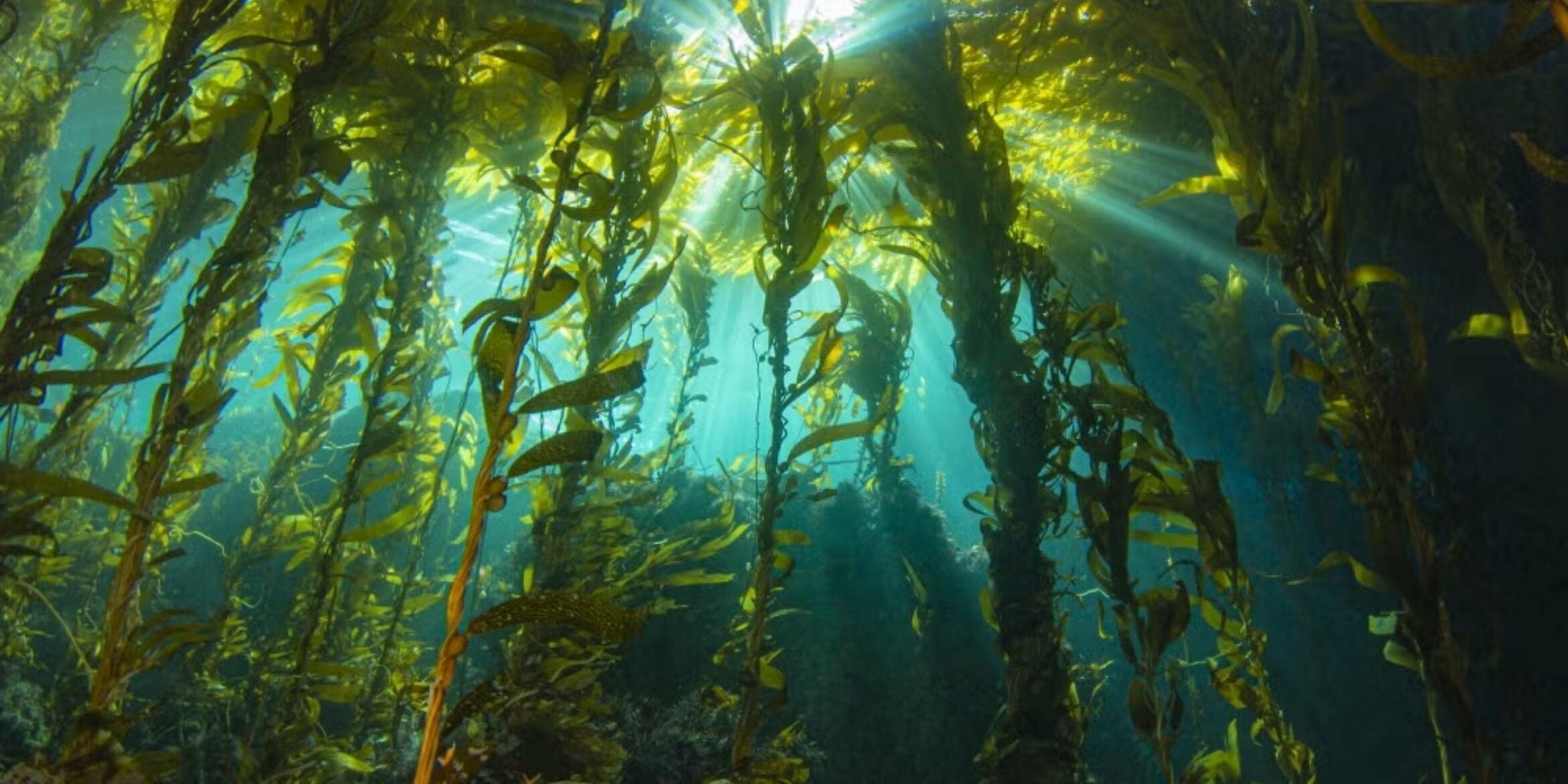
Scientists had long considered gradual, long-term declines in water clarity as one of the most pressing concerns for coastal ecosystems. But darkwaves may be just as impactful. “Even short periods of reduced light can impair photosynthesis in kelp forests, seagrass and corals,” Thoral said. “These events can also influence the behaviour of fish, sharks and marine mammals. When darkness persists, the ecological effects can be significant.”
The marine darkwave framework complements existing frameworks for tracking marine heatwaves, ocean acidification and deoxygenation, providing a standardized tool for coastal communities, resource managers and conservation groups to identify when marine ecosystems face acute stress.
Since the Santa Barbara Coastal LTER is one of very few programs worldwide collecting long-term light data on the seafloor, Miller and his colleagues at UCSB plan to further examine the effects of sedimentation and turbidity — which are influenced by fires and mudslides — on California’s kelp forests.