This post was originally published on here
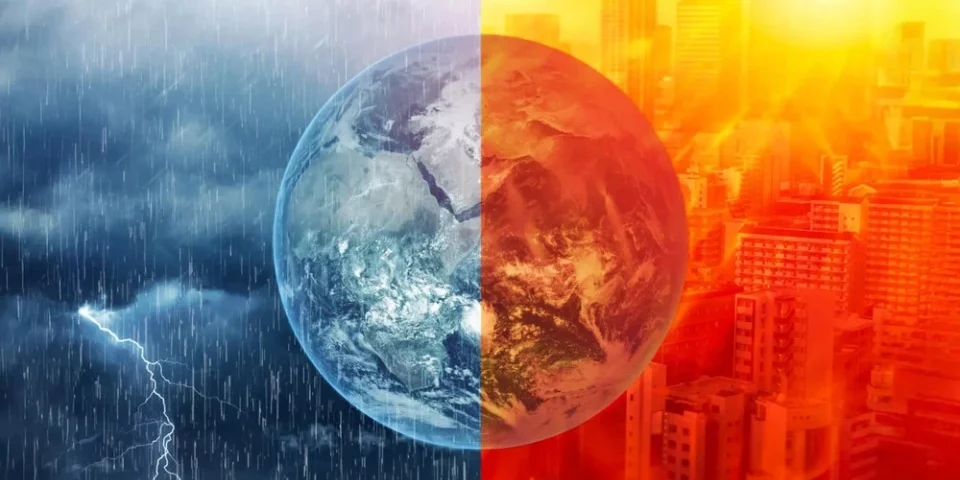
The study showed that over the past two decades, the climate phenomenon ENSO (El Niño-Southern Oscillation) has had a significant impact on changes in water reserves on the planet. These climate cycles contribute to the simultaneous occurrence of anomalously wet and dry conditions in various regions of the world.
Bridget Scanlon, one of the authors of the study, noted: “From a global perspective, we can identify areas that are experiencing both excess moisture and, conversely, a deficit. This certainly affects water availability, agricultural production, and food trade.”
During the analysis, scientists used data from NASA’s GRACE and GRACE-FO satellites, which record changes in gravity related to fluctuations in water mass. This allowed for the investigation of total water reserves, including rivers, lakes, groundwater, and soil moisture.
Several examples of the synchronization of water extremes were also identified. For instance, in the mid-2000s, El Niño coincided with drought in Southern Africa, while in 2015-2016, it coincided with dry conditions in the Amazon. At the same time, La Niña in 2010-2011 caused heavy rains in Australia, southeastern Brazil, and Southern Africa.
Additionally, the study noted a global trend: extreme wet conditions were more frequent before 2011, while dry phenomena predominated after 2012.
Jay T. Rieger, who did not participate in the study, emphasized that satellite observations help reveal patterns of how climate cycles influence water crises.
“These data truly demonstrate the rhythms of major climate cycles like El Niño and La Niña, and their impact on the floods and droughts we all face. These are not just phenomena in the Pacific Ocean; they ultimately affect all of us,” he added.
Bridget Scanlon also emphasized that the study’s findings require a reevaluation of the approach to water resource issues: instead of focusing solely on water scarcity, attention should be paid to managing fluctuations between excess and deficit.