This post was originally published on here
According to the IUCN the wolves have also faced a “major threat” from humans with many people poisoning them or shooting them. This is because a lack of natural prey means the wolves have turned to hunting livestock to survive.
The wolves face pressures when attempting to find a home as well. They often find potential habitats such as sugar cane fields becoming taken over by common leopards meaning they end up “pushed out”, leaving them looking for unnatural homes.
While the urbanization of some grassland areas means an increase in feral dogs, particularly in India the IUCN says. Scientists say contact with feral dogs can spread disease among the wolves and leave them battling for food sources.
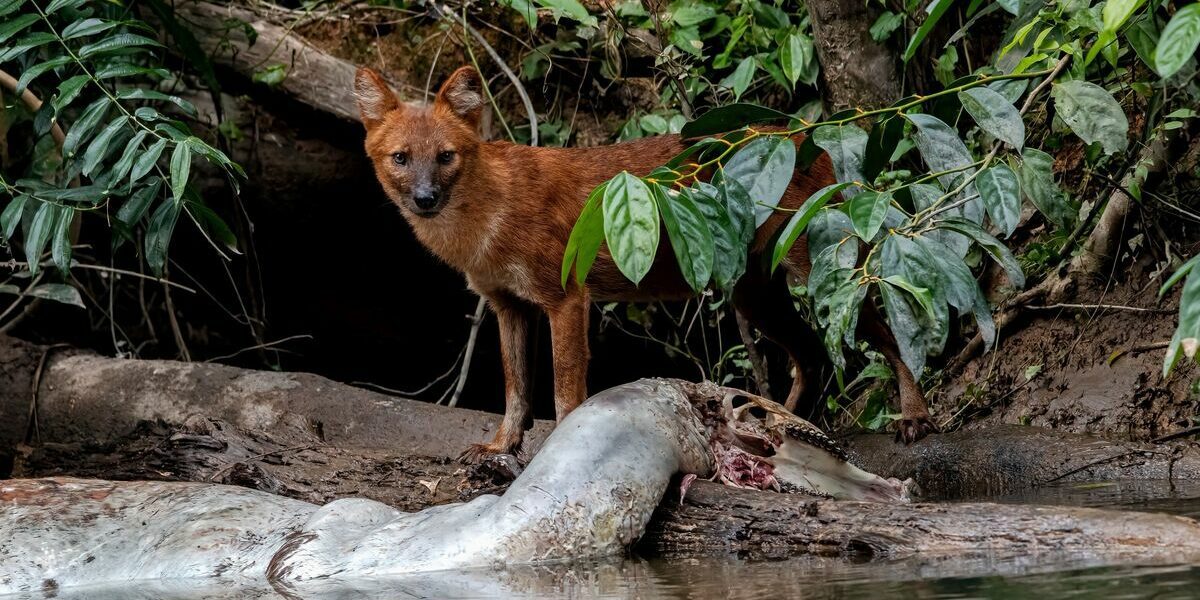
Scientists in the village of Madhaiganj in West Bengal recently discovered a rare pack of Indian wolves however. They spent eight months tracking the wolves in 2023 using a mixture of camera traps, surveys and community interviews, reports Mongabay.
As the wolves are most active at night, they used trail cameras to monitor their health. Divisional Forest Officer Anupam Khan says the wolves appear to be surviving well and adapting to their surroundings.
He does however insist that strategic conservation efforts are needed to help the species grow. These include “region-specific conservation measures” such as setting aside open habitats for the wolves and using radio collaring to track them.
Researcher Arkajyoti Mukherjee said: “What we are seeing is the apex predator of India’s grasslands surviving in an anthropogenically modified landscape.
“This is a unique carnivore persisting in one of the most altered habitats in eastern India. Their survival here depends entirely on how well we can secure the remaining habitat pockets and promote coexistence.”
The scientist added: “We are only beginning to understand how unique this apex predator is. Every dataset from underreported regions like eastern India helps shape future conservation policy.”
Although the wolves are considered vulnerable in the wild, the IUCN says a number of zoos are running “captive breeding programmes”. It says: “Genetically-informed captive breeding programmes of Indian wolves are of great importance for its future survival, especially for the population in Pakistan.
“These captive wolves can serve as an insurance population for reintroduction/supplementation in India and Pakistan, where careful genetically-informed selection of captive wolves to release can help maintain or increase genetic diversity in the wild populations.”