This post was originally published on here
Museum scientists have identified and described an extinct rhinoceros species from Canada’s High Arctic.
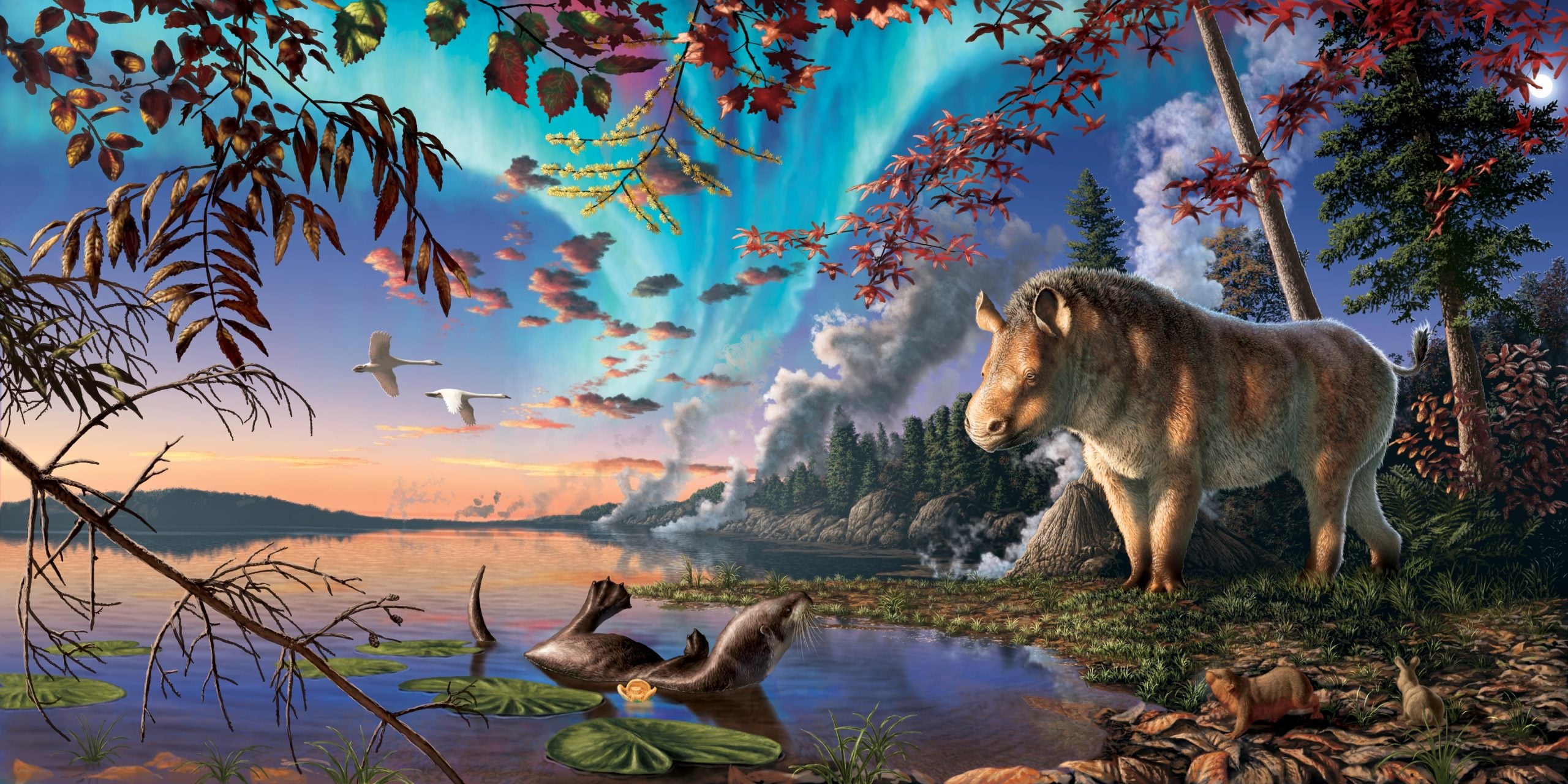
Researchers at the Canadian Museum of Nature have identified and formally described a previously unknown species of extinct rhinoceros from Canada’s High Arctic. The discovery is based on a nearly complete fossil skeleton uncovered in sediment layers from an ancient lake within Haughton Crater on Devon Island, Nunavut. This find represents the northernmost occurrence of any known rhinoceros species.
Rhinoceroses have a deep evolutionary history stretching back more than 40 million years, and once lived on every continent except South America and Antarctica. This newly described “Arctic rhino” lived roughly 23 million years ago during the Early Miocene. Fossil evidence shows it was most closely related to rhino species that lived in Europe several million years earlier.
The research paper detailing the new species, named Epiatheracerium itjilik [eet-jee-look], was recently published in the journal Nature Ecology and Evolution.
“Today there are only five species of rhinos in Africa and Asia, but in the past they were found in Europe and North America, with more than 50 species known from the fossil record,” says the study’s lead author Dr. Danielle Fraser, head of paleobiology at the Canadian Museum of Nature (CMN). “The addition of this Arctic species to the rhino family tree now offers new insights to our understanding of their evolutionary history.”
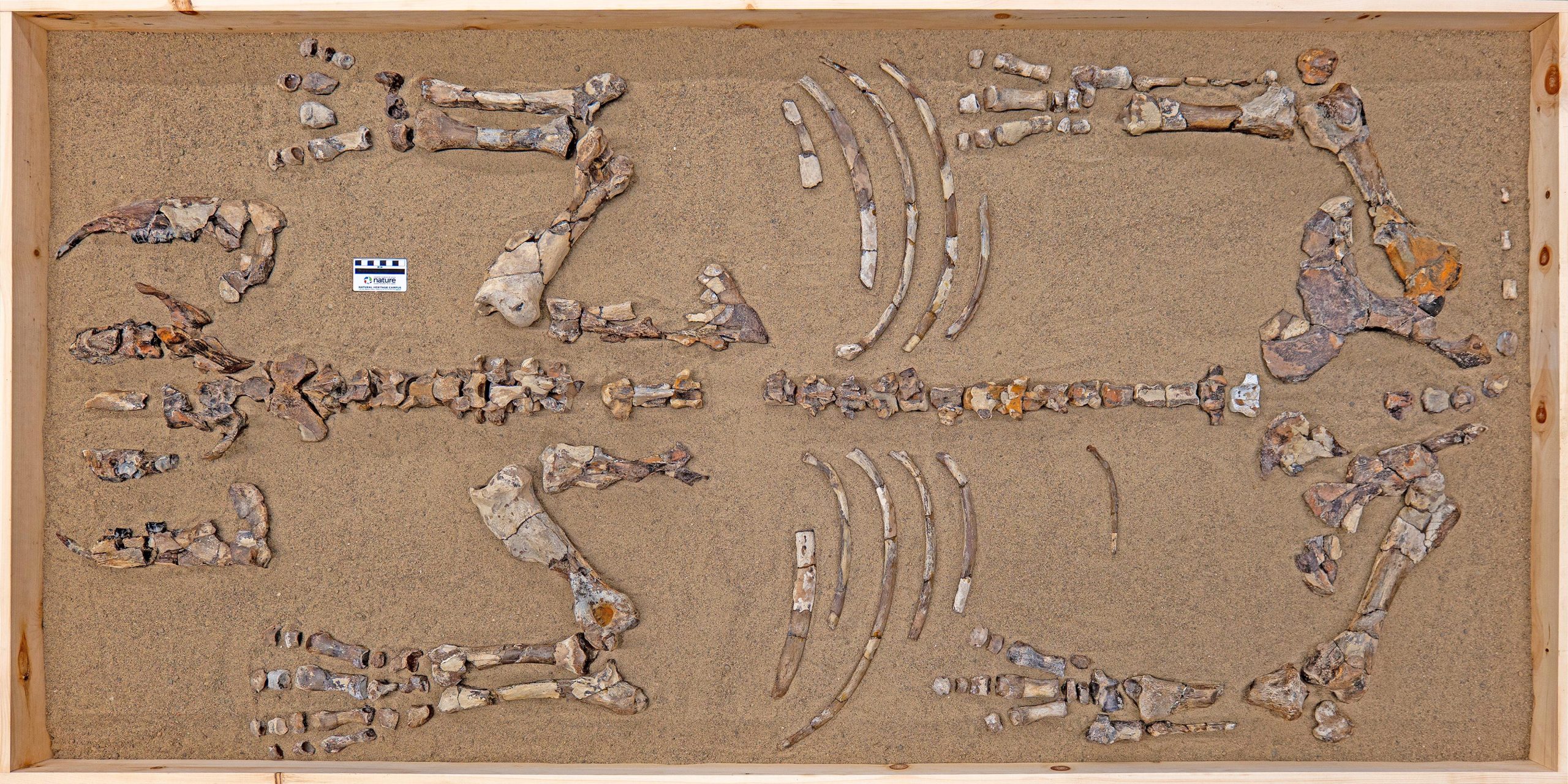
Alongside the species description, the study introduces a revised evolutionary tree for rhinocerotids. The findings suggest that this Arctic rhino reached North America by crossing a land bridge, indicating that such routes may have allowed land mammals to disperse between continents millions of years later than scientists previously believed.
About Epiaceratherium itjilik
Rhinocerotids displayed a wide range of body forms, from large, hippo-like animals to smaller species without horns. Epiatheracerium itjilik was on the smaller and lighter end of this spectrum. It was roughly comparable in size to the modern Indian rhinoceros but did not have a horn. Based on the moderate wear observed on its cheek teeth, the Arctic specimen is thought to represent an individual in early to mid-adulthood.
The species name “itjilik” means “frosty” or “frost” in Inuktitut. The research team wanted to honor the rhino’s High Arctic home, so they consulted with Jarloo Kiguktak, an Inuit Elder and former mayor of Grise Fiord, the most northerly Inuit community in Canada. He has visited the fossil deposits of Haughton Crater and also participated in multiple paleontological expeditions in the High Arctic.
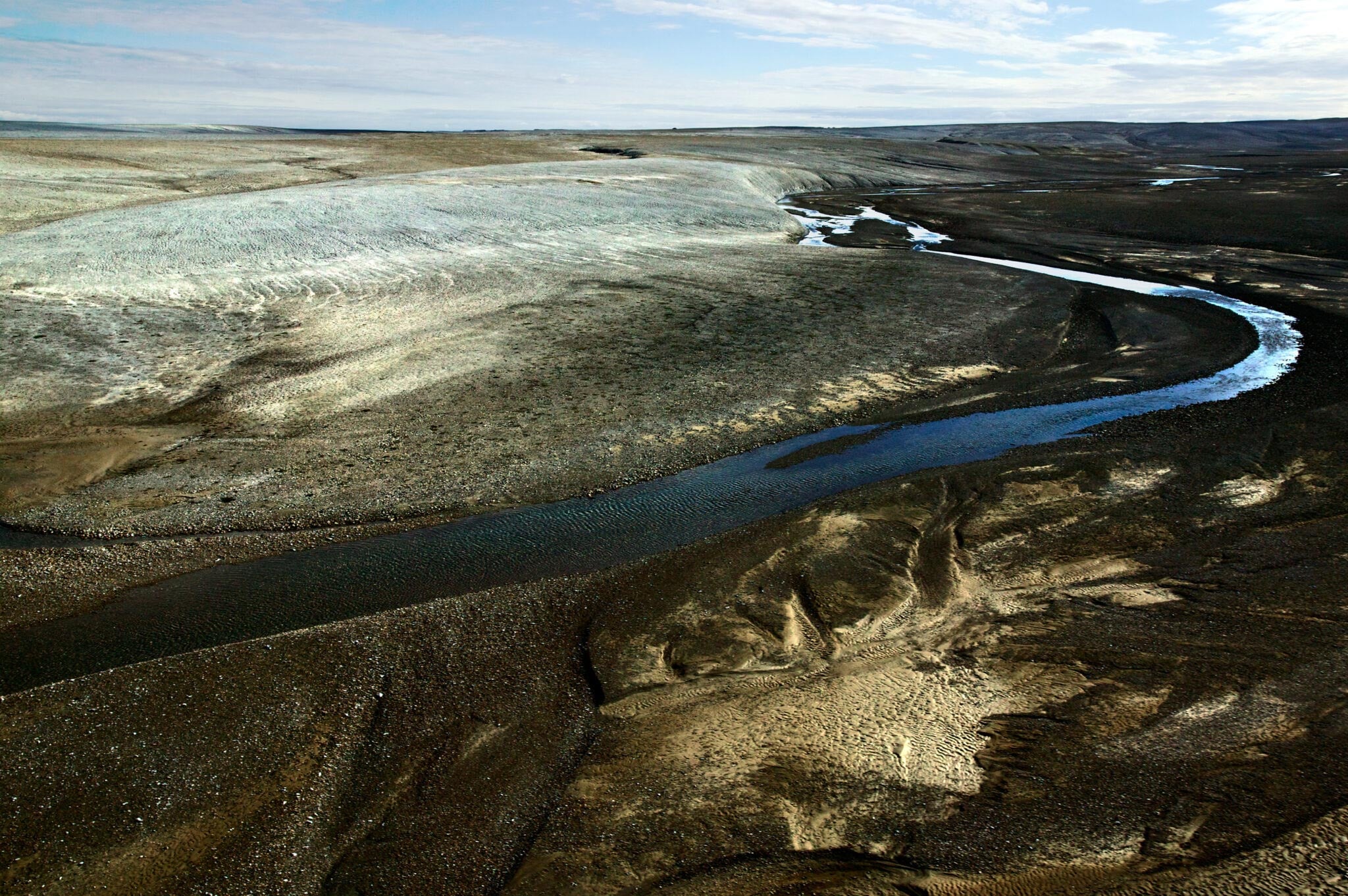
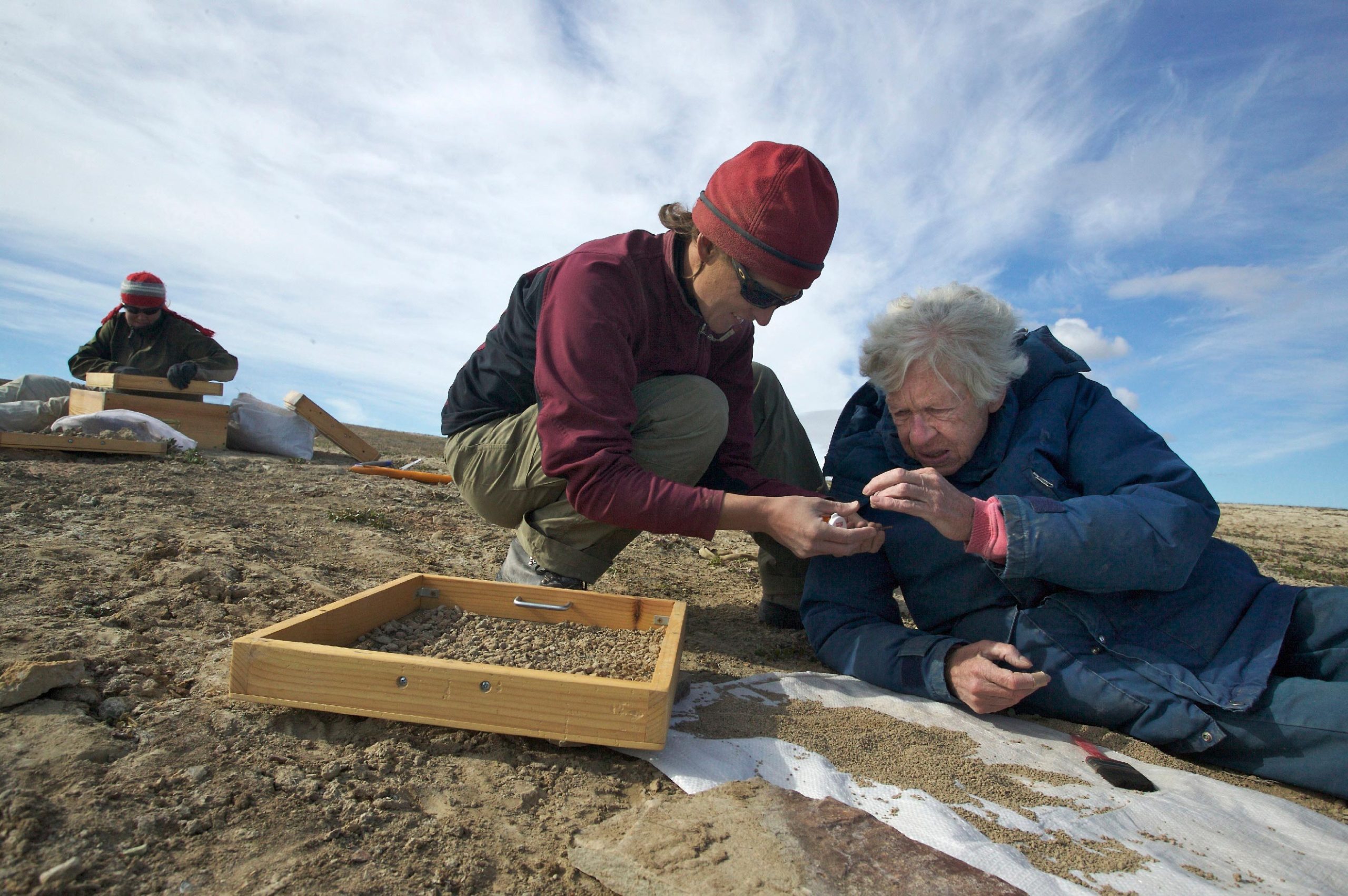
Most of the rhino’s bones were collected at the Haughton Crater site in 1986 by Dr. Mary Dawson. She was Curator Emeritus at Carnegie Museum of Natural History in Pittsburgh, Pennsylvania, and a trailblazer in Arctic palaeontology. She had uncovered the critical diagnostic parts—the upper and lower teeth, mandible,s and parts of the skull—that allowed the CMN team to define it as a rhinocerotid and a new species.
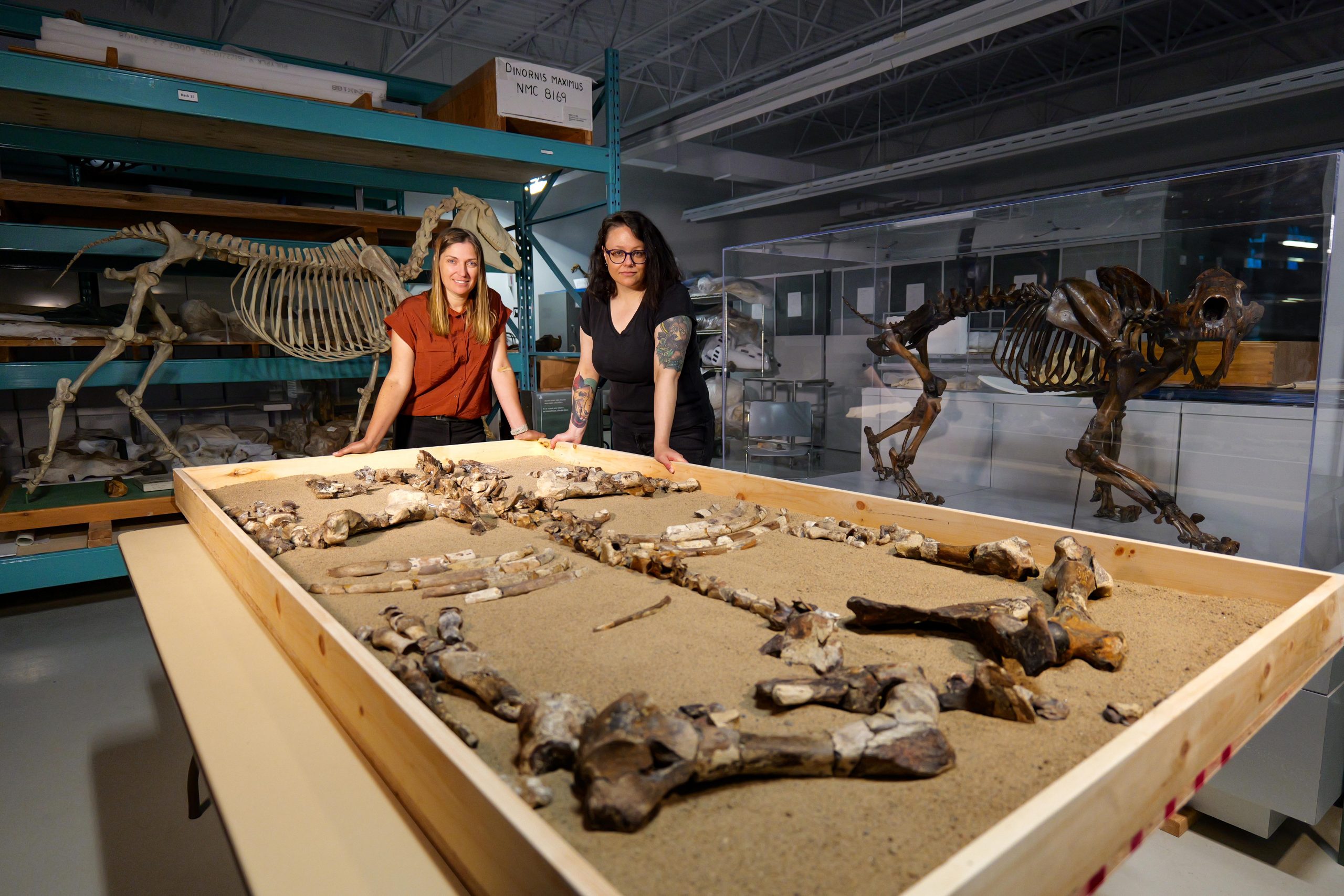
“What’s remarkable about the Arctic rhino is that the fossil bones are in excellent condition. They are three dimensionally preserved and have only been partially replaced by minerals. About 75% of the skeleton was discovered, which is incredibly complete for a fossil,” says palaeobiologist Marisa Gilbert, study co-author and Senior Research Assistant with the CMN.
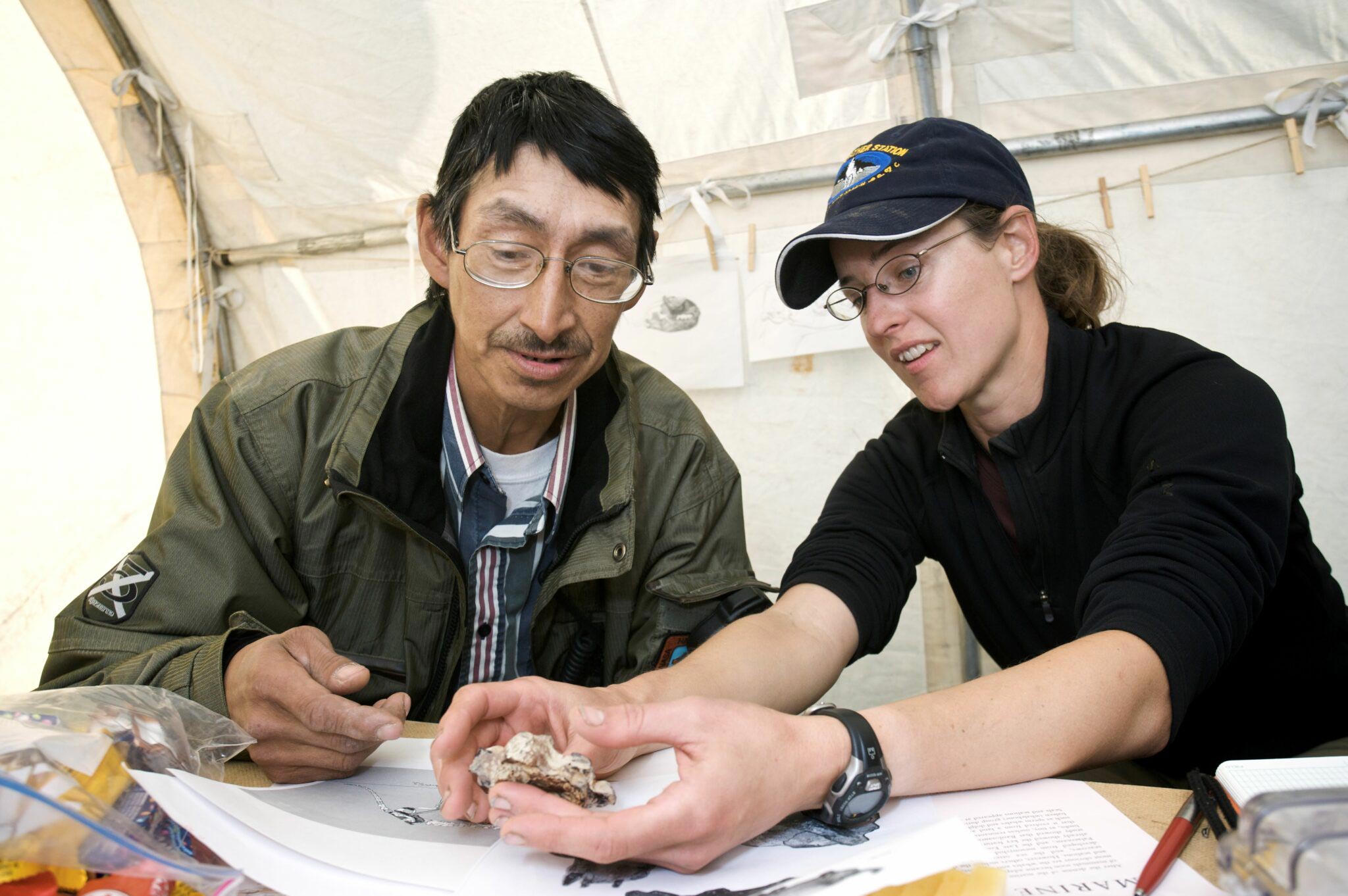
Gilbert took part in a number of research trips to the Haughton Crater in the late 2000s, which were led by Dr. Natalia Rybcynski. CMN Research Associate and another co-author of the study. These expeditions resulted in the discovery of another new species, the transitional seal ancestor, Puijila darwini.
Additional remains of E. itjilik were found on the later field expeditions led by the CMN, when Dawson joined Rybczynski and Gilbert. They were prospecting the Haughton site as follow-ups to Dawson’s fieldwork. Dawson passed away at age 89 in 2020 and is posthumously cited as the fourth author on the study.
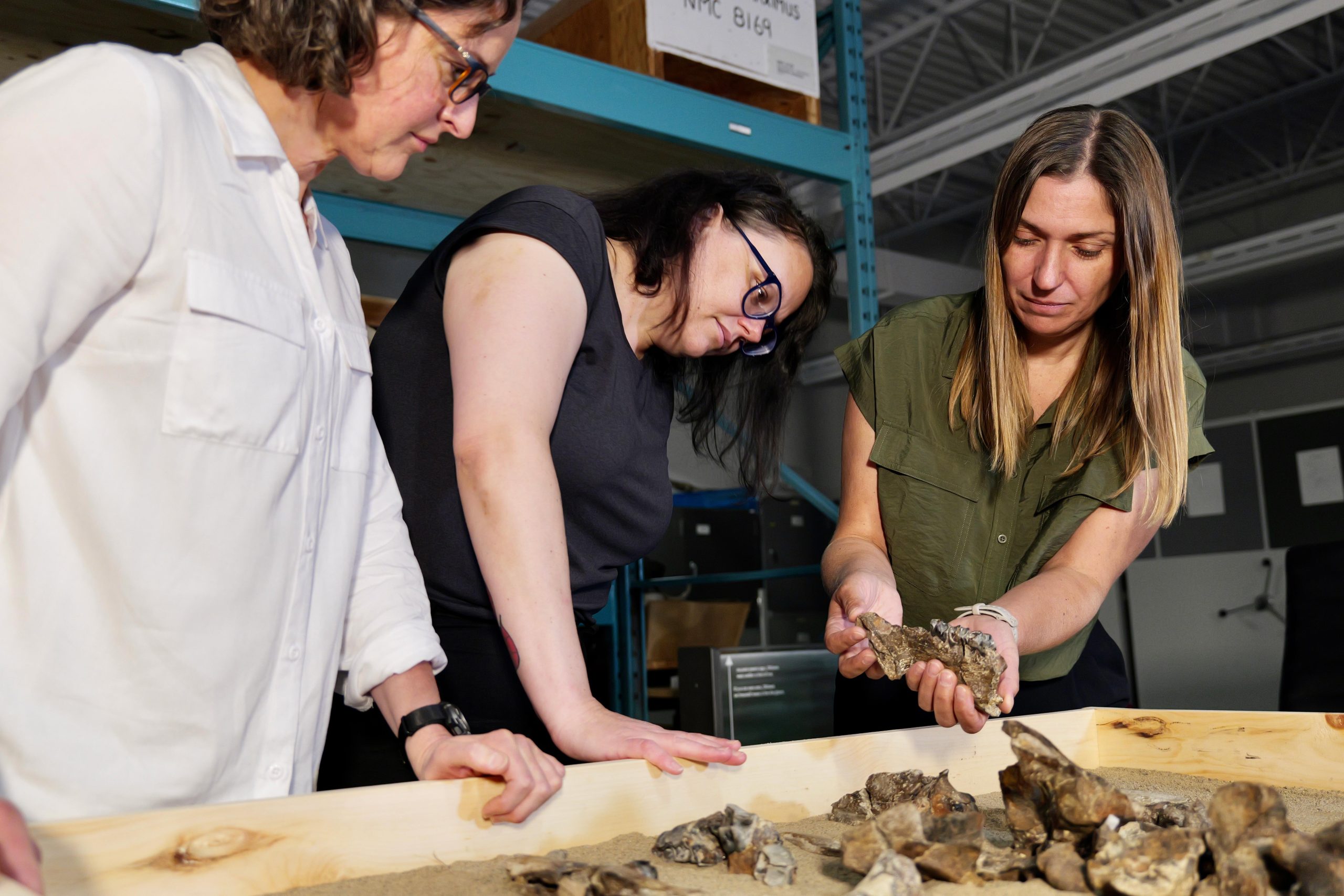
The biogeography story
The presence of this new Arctic species was an impetus for the research team to delve deeper into the evolutionary and biogeographic history of rhinocerotids. Biogeography is the study of how animals and plants evolved and dispersed over time.
Fraser and the team placed the new species in the rhino family tree by studying the occurrence of 57 other taxa of rhinocerotids, almost all extinct. The results came from visiting museum collections, combing through the scientific literature, and using databases.
The team was also able to place each rhinocerotid geographically in one of five continental regions . It was an exhaustive process—each species was scored based on where they were found, using a mathematical modeling approach to determine rates of dispersal among those different continents within the family, Rhinocerotidae.
The team’s analysis offers new insights into how rhinos dispersed over millions of years between North America and Europe (via Greenland), using the North Atlantic Land Bridge.
Previous studies suggested this land bridge may have only have functioned as a dispersal corridor until around 56 million years ago. But the new analysis with Epiceratherium itjilik and its related species suggests that dispersals occurred from Europe to North America much more recently, potentially as late as the Miocene.
The importance of Epiatheracerium itjilik was underscored in July 2025 in a paper published in the journal Nature reporting that scientifically relevant, partial proteins were extracted from the animal’s tooth enamel. The study, led by post-doctoral fellow Ryan Sinclair Paterson at the University of Copenhagen, extends by millions of years the timescale for recoverable, evolutionary-informative protein sequences. The findings open new avenues for the study of ancient proteins and their application to understanding mammal evolution.

“It’s always exciting and informative to describe a new species. But there is more that comes from the identification of Epiaceratherium itjilik, as our reconstructions of rhino evolution show that the North Atlantic played a much more important role in their evolution than previously thought,” says Fraser. “More broadly, this study reinforces that the Arctic continues to offer up new knowledge and discoveries that expand on our understanding of mammal diversification over time.”
The fossil of Epiceratherium itjilik is housed and curated in the fossil collections of the Canadian Museum of Nature. The preparation of the fossil bones for study was completed at Carnegie Museum of Natural History.
Reference: “Mid-Cenozoic rhinocerotid dispersal via the North Atlantic” by Danielle Fraser, Natalia Rybczynski, Marisa Gilbert and Mary R. Dawson, 28 October 2025, Nature Ecology & Evolution.
DOI: 10.1038/s41559-025-02872-8
Never miss a breakthrough: Join the SciTechDaily newsletter.
Follow us on Google and Google News.