This post was originally published on here
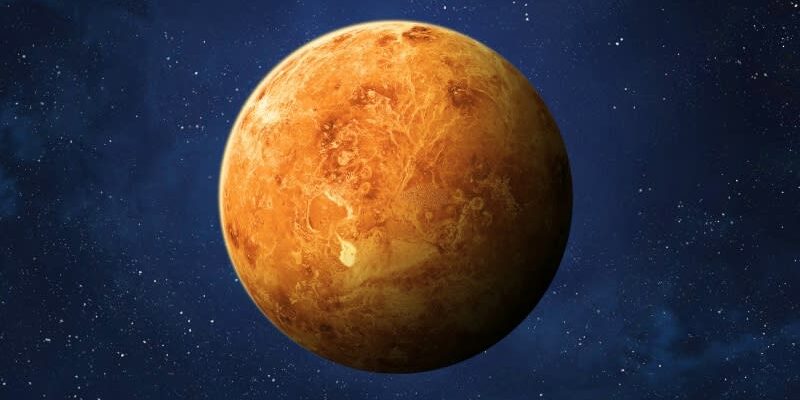
In 2021, a curious discovery pushed penguins into an unexpected corner of science. Researchers studying chemical signatures linked to the search for extraterrestrial life found traces of phosphine in penguin guano. That detail stood out because phosphine had recently made headlines after being detected in the atmosphere of Venus, a planet about 38 million miles from Earth.
On our planet, phosphine usually shows up through industrial processes or a handful of rare biological pathways. Finding it in penguin droppings raised eyebrows and left scientists with more questions than answers. It did not suggest penguins came from space, but it did place an ordinary animal inside a field normally focused on distant planets and alien life, which is a strange connection no one saw coming.
Why Phosphine Drew Attention

Image via iStockphoto/buradaki
Phosphine entered scientific discussion during Venus studies because it can form through biological activity under specific conditions. While its detection does not indicate life on its own, it stands out enough to merit closer examination.
The later discovery of phosphine in penguin guano raised interest for a different reason. Venus and Antarctica have little in common environmentally, yet the same compound appeared in both places. After researchers confirmed the readings, attention turned toward identifying the source within a terrestrial organism.
A Biological Explanation With Open Questions
The data was not written off as an error. Phosphine breaks down quickly when exposed to oxygen, which complicates both collection and analysis. Maintaining sample integrity requires controlled handling and specialized procedures.
The investigation also brought together fields that rarely overlap. Scientists accustomed to studying planetary atmospheres found themselves examining biological samples gathered from wildlife.
Scientists are aware of a natural source of phosphine on Earth. Certain anaerobic bacteria produce the compound, and these microorganisms thrive in environments with low oxygen levels, including the digestive systems of animals.
Penguins host some of these bacteria, which provides a reasonable explanation for the chemical readings. Even so, researchers continue to examine factors such as concentration levels and environmental conditions. The explanation fits current biological knowledge, but additional confirmation remains necessary.
How Penguins Became Part of an Alien Narrative

Image via Pexels/David Dibert
Labeling penguins as aliens reflects unresolved scientific questions rather than belief. At the same time, international space agencies were preparing instruments designed to identify chemical signatures linked to life on distant planets. These tools focus on compounds similar to phosphine. This connection keeps penguins relevant in a wider research effort.
Understanding how phosphine forms under Earth conditions helps scientists interpret similar signals detected elsewhere. Penguins already challenge researchers through their adaptations and survival strategies. Now, it’s their unexpected association with a chemical tied to alien life detection.