
This post was originally published on here
A rare form of diabetes affecting newborn babies and caused by a genetic disorder has been discovered by scientists in the UK and Belgium.
Researchers at the University of Exeter, alongside scientists in Belgium’s Université Libre de Bruxelles (ULB), found that a newly identified genetic disorder is causing diabetes in newborn babies by disrupting the cells which make insulin.
Through DNA sequencing and stem cell research, the scientists discovered how mutations in a certain gene, TMEM167A, can lead insulin-producing cells to fail early in life.
“Finding the DNA changes that cause diabetes in babies gives us a unique way to find the genes that play key roles in making and secreting insulin,” said Dr Elisa de Franco.
Photo used for illustrative purpose.
“In this collaborative study, the finding of specific DNA changes causing this rare type of diabetes in 6 children, led us to clarifying the function of a little-known gene, TMEM167A, showing how it plays a key role in insulin secretion.”
The team found that mutations in TMEM167A are responsible for causing what is a rare form of neonatal diabetes.
The scientists tested six children who had not just diabetes but also other neurological conditions, such as epilepsy or microcephaly.
All these children shared mutations in the same gene, indicating there was a single genetic cause behind both the metabolic symptoms – those related to the body’s chemical processes – and the neurological symptoms.
Professor Miriam Cnop of ULB transformed stem cells into pancreatic beta cells, which are responsible for making insulin, and used editing techniques to alter the TMEM167A gene.
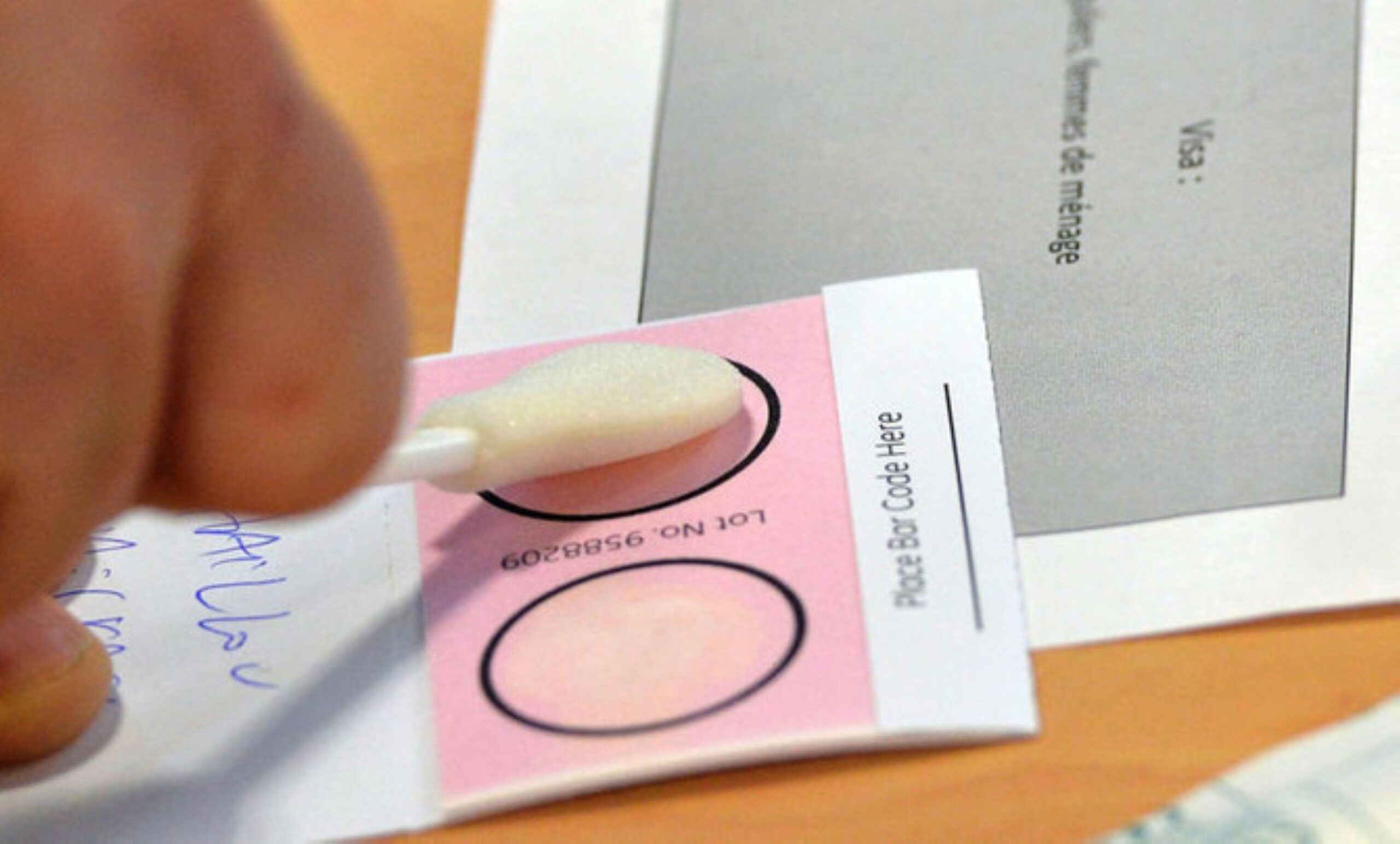
A lab technician takes a saliva sample for DNA testing at the Genetic Institute Nantes-Atlantique (IGNA) in this file photo, in Nantes, western France. File/AFP
By doing so, Prof Cnop’s team showed that when TMEM167A suffers damage, the insulin-producing cells can no longer function normally. Stress builds in the cells, ultimately leading to cell death.
“The ability to generate insulin-producing cells from stem cells has enabled us to study what is dysfunctional in the beta cells of patients with rare forms as well as other types of diabetes,” Prof Cnop said.
“This is an extraordinary model for studying disease mechanisms and testing treatments.”
The findings also demonstrate that the TMEM167A gene is also crucial for neurons, and that it is less important for other cell types.
The research paper, titled ‘Recessive TMEM167A variants cause neonatal diabetes, microcephaly and epilepsy syndrome’, appeared in The Journal of Clinical Investigation and was supported by Diabetes UK, European Foundation for the Study of Diabetes, and several other organisations.
The Independent