This post was originally published on here
Quick Take
-
The Audubon Christmas Bird Count helps conservationists and scientists understand how many birds are in any given region.
-
Volunteers maintain counts in 15-mile-wide circles, while compilers manage all data validation submitted to them.
-
Shifting winter ranges for birds are now rewriting the definition of “normal” faster than traditional conservation models, making the count more valuable than ever.
-
You can join the next Christmas Bird Count by looking into the National Audubon Society‘s provided information.
Every winter, the National Audubon Society’s Christmas Bird Count turns birding into a regional event, with the entirety of the Western Hemisphere competing. Thousands of people and interested birders look to the skies, ultimately unveiling what’s changing across bird populations and species, sometimes before the rest of us ever notice.
The 126th count just ended, and it showed us some impressive bird statistics. But what is the purpose of the Christmas Bird Count, and what does it help teach us about our local bird populations? How does the Christmas Bird Count give conservation scientists and land managers valuable information about birds, and can you get involved in next year’s count?
Bird data matters more than ever, especially when we consider the fact that winter ranges are shifting and some bird species are showing up in brand new places. This is an overview of this lesser-known, public participant-eligible program, the results from the most recent count, and how you can get involved for the 127th count at the end of the year.
What Is the Christmas Bird Count?
The Christmas Bird Count is essentially a standardized winter census run by volunteers, designed to count and document bird populations during a fixed, annual window. The 126th Christmas Bird Count ran from December 14th, 2025, through January 5th, 2026.
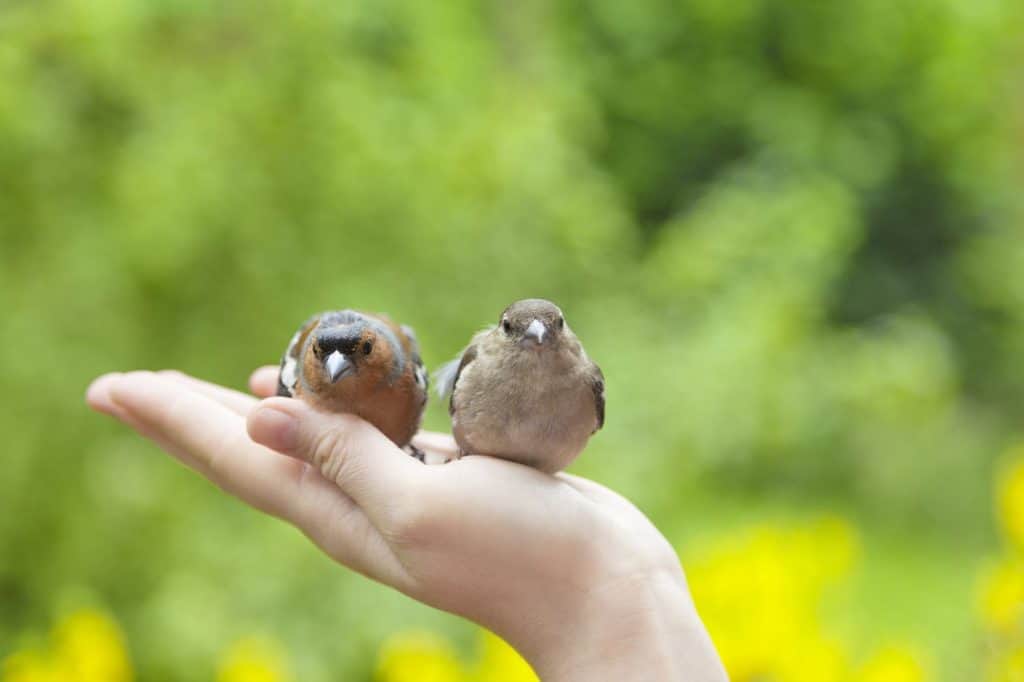
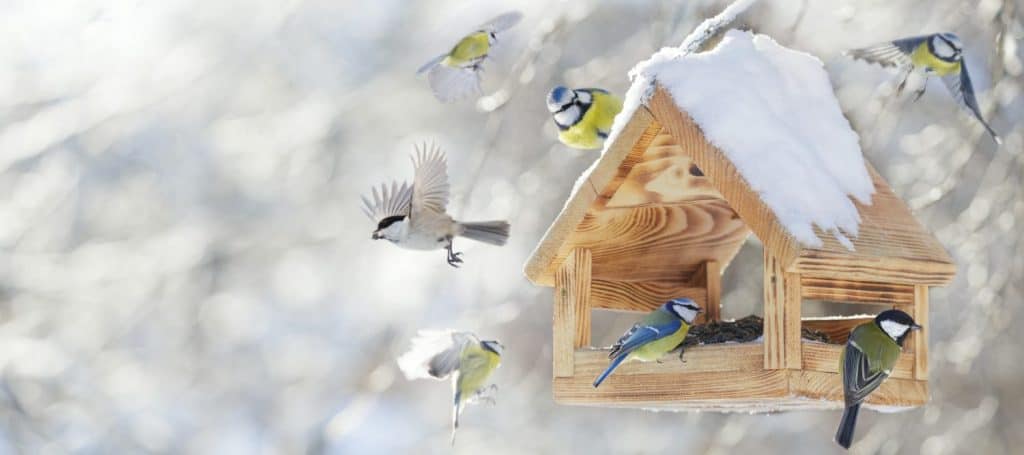
The annual Christmas Bird Count helps conservationists and scientists better understand bird populations, all with help from volunteers.
©Dirk Ott/Shutterstock.com
Consistency is an important fixture of the Bird Count, as it is key to knowing when bird populations are changing; the same count circles working the same methods and during the same winter timing repeated year after year helps clarify how bird populations are faring. In many ways, this long-running dataset powers conservation work throughout the rest of the year and beyond.
How the Christmas Bird Count Works
The Christmas Bird Count happens inside a 15-mile-wide circle, with all volunteers within this radius led by a compiler, an individual who organizes coverage and submits the results. Within that circle, volunteer teams tally each and every bird seen or heard on count day. They document which species were present, as well as how many individuals were recorded, as overall abundance is what makes the dataset useful for detecting population trends.
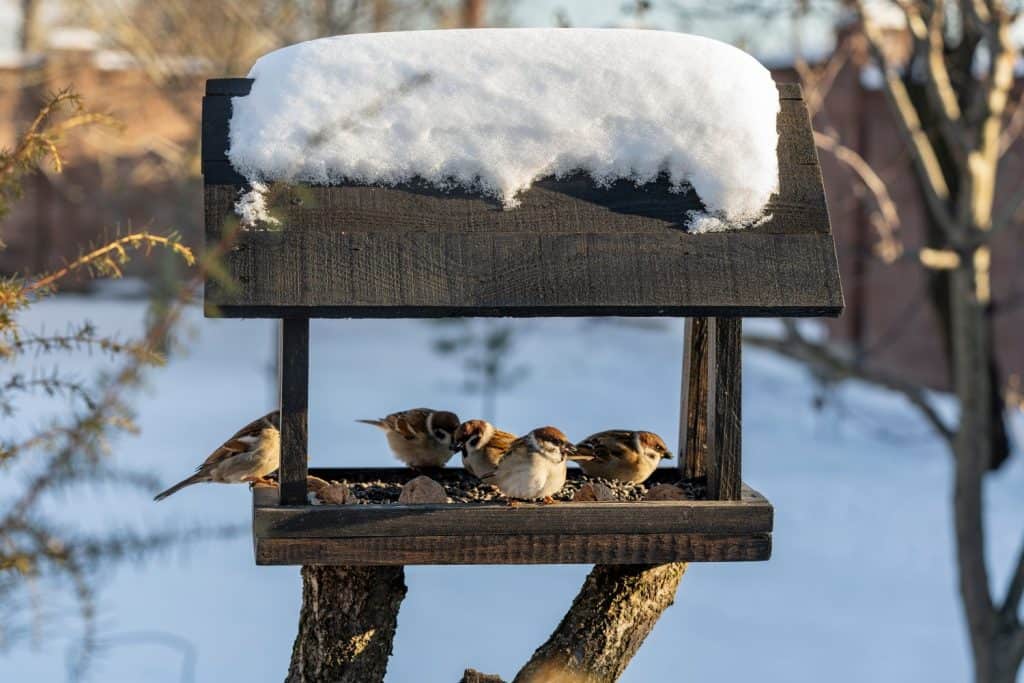
Ensuring accurate data collection is important for the Christmas Bird Count, which is why a compiler helps organize all information brought in by volunteers.
©OlegD/Shutterstock.com
Participation is intentionally broad and varied. Field teams cover assigned routes, while feeder watchers contribute solely from home in many circles, with the compiler working as quality-control, helping to streamline and verify data. This means that there’s likely a Christmas Bird Count circle near you, offering you a chance to make a difference observing your local birds at your backyard feeder.
The History of the Audubon’s Christmas Bird Count
The Christmas Bird Count began in 1900 as a direct alternative to hunts that regularly occurred during the winter holiday season. Ultimately, the push to count birds instead of killing them was credited to ornithologist Frank M. Chapman, with the very first count including 25 locations with 27 observers who tallied around 90 bird species combined.
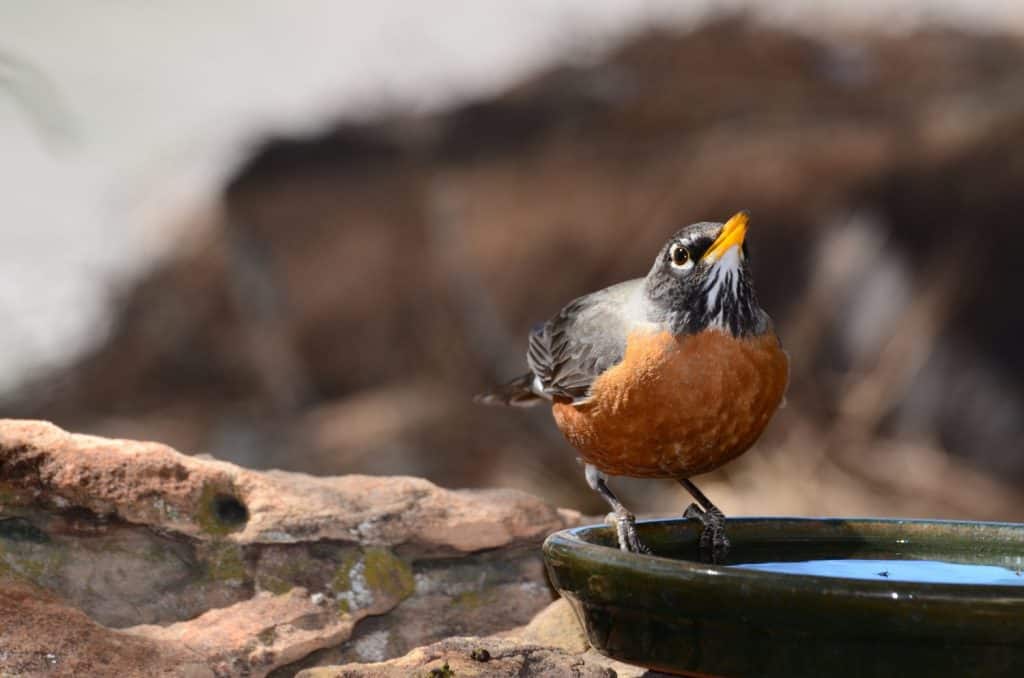
Beginning as early as 1900, the Christmas Bird Count began in an effort to lessen bird hunting during the holiday season.
©rwkc/Shutterstock.com
And from then on, a potentially destructive tradition was replaced with conservation, which is at the core of how Audubon describes this event today. In fact, Audubon CEO Dr. Elizabeth Gray called it, “one of our most important traditions,” with any volunteer participants considered as, “contributing to vital conservation science”. Even though it began with hunting in mind, conservation keeps the Christmas Bird Count alive.
What the 126th Results Show For Now
As of January 14th, 2026, Audubon’s live Christmas Bird Count results show 892 counts completed and 14,410,510 birds counted so far.
However, current year totals continue updating as regional editors review and confirm submissions, which means the entire count won’t be complete immediately. Because the CBC is huge and decentralized, all results arrive in stages. The year’s data also won’t be folded into the historical dataset until it has been reviewed and confirmed by regional editors.
Data gathered from the Christmas Bird Count has been used for countless peer-reviewed articles and research papers.
©Nitr/Shutterstock.com
The dataset is treated seriously, which is another reason why it can take time to be completed. Because the data isn’t just for Audubon; the organization states that CBC data has been cited in hundreds of peer-reviewed articles and is also used alongside other surveys to understand bird population changes, especially in remote places.
How Does This Year’s Christmas Bird Count Compare?
If you’re refreshing the live totals, it’s important to remember that we’re not working with the full dataset yet. However, the early count is still useful.
For example, in Audubon’s 125th Christmas Bird Count summary, the final totals included 2,693 circles and 83,109 participants, which means the current 126th live numbers are sitting at roughly one-third of last year’s final circle count, even before you get into the numbers of birds or volunteers.
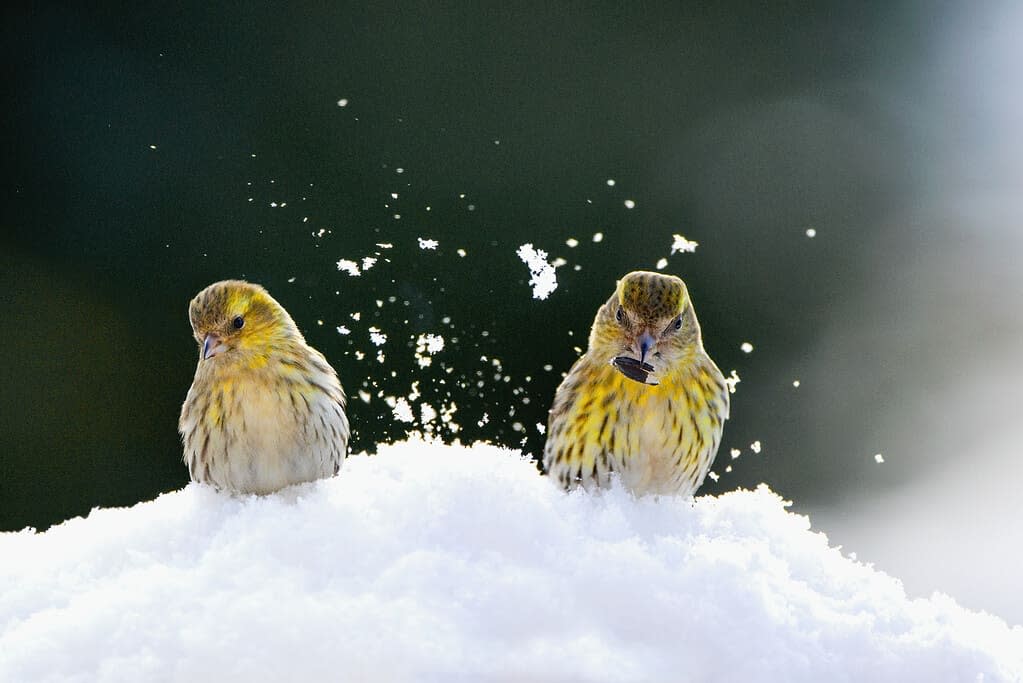
The number of volunteers participating in the Christmas Bird Count remain similar compared to previous years.
©Tunatura/iStock via Getty Images
But what can we actually glean right now with this in mind? One important thing to note is that circle completion is already in the hundreds, which tells you the season is moving and widely staffed, even if it’s not done yet. The volunteers recorded from the past few years are close to this season’s numbers, which means the Christmas Bird Count remains a popular activity.
Time will tell how the actual data shapes up, but one thing’s clear: Christmas Bird Count volunteers seem to love what they do.
What It’s Like to Be a Christmas Bird Count Volunteer
A single day in a single Christmas Bird Count circle varies greatly, depending on where you live. However, you’re bound to see some birds, which is why staff field notes with concrete numbers are vital.
In a recent Florida roundup at Alafia Banks, one team recorded 99 species, with species highlights including large flocks of Double-crested Cormorants, Red Knots, and Lesser Scaup, according to Audubon Florida. Individual volunteers counted every bird as it passed by, making their eyes vital to this process.

Every bit of data matters in the Christmas Bird Count, which is why Audubon relies on an elaborate volunteer system.
©iStock.com/:Rawpixel
After measuring the presence and abundance of these birds, volunteers send all notes and information to the compiler for, you guessed it: compiling. This tally is eventually sent to Audubon once the Count is complete, and all information is considered valuable, especially when looked at side by side, state by state.
What to Watch For Next
If you’re looking for the final, final numbers for the 126th Christmas Bird Count, keep your eye on two places: the live totals in Audubon’s CBC results portal as more circles finish their individual submissions, and the editorial summaries Audubon typically publishes once review of all data is complete. While it may take a few more months, it’s worth the wait; the numbers are fascinating and detailed.
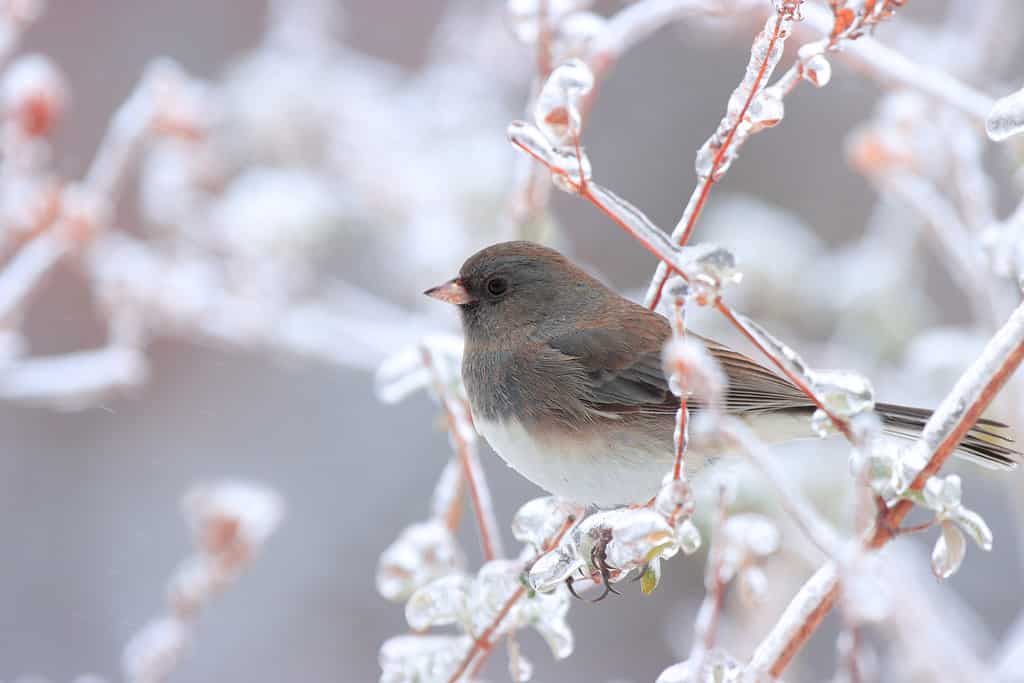
Check out Audubon’s website for more information about how you can join their Christmas Bird Count next season!
©Walter Coate/Shutterstock.com
Ultimately, the Christmas Bird Count is a long-running monitoring system that is almost 100% powered by volunteers. Year 126 is just another in a long tradition that started in 1900, making it a historic, legacy-laden event. Even before the last circles are confirmed and data is submitted, the count has already done its job. Because of volunteers, we gain real insight into what birds are doing right now.
The post How a Century-Old Bird Count Outsmarts Modern Science appeared first on A-Z Animals.