This post was originally published on here
The research suggests that exposure to the gas might improve brain function and reduce cognitive decline. The findings are based on laboratory tests in mice and may eventually open new doors in the treatment of age-related neurodegenerative conditions. Though the idea of sniffing your own farts sounds more like a joke than science, the results point to a serious link between hydrogen sulfide and brain cell health.
Over 7.2 million Americans live with Alzheimer’s today, and one in nine people over 65 is affected. The condition gradually destroys memory, affects physical movement, and can lead to hallucinations or extreme anxiety. Any discovery that could delay or reverse these effects draws scientific and public attention, and the Johns Hopkins team believes their gas-based research may be one such discovery worth exploring.
Gas Molecule Behind the Smell Shows Neurological Promise
According to the study, hydrogen sulfide, the same gas responsible for the smell of farts, could help regulate the processes that lead to cognitive decline. “Our new data firmly link aging, neurodegeneration and cell signaling using hydrogen sulfide and other gaseous molecules within the cell,” said Dr. Bindu Paul, associate professor and co-author of the study, reports UNILAD.
The researchers worked with genetically modified mice that were engineered to mimic symptoms of human Alzheimer’s disease. These mice were injected with NaGYY, a compound designed to slowly release hydrogen sulfide throughout the body. After twelve weeks, the treated mice were tested for changes in memory and movement.
The results were striking. The mice showed a 50 percent improvement in both memory and motor function when compared to untreated animals. They were also more physically active. According to the Johns Hopkins researchers, these outcomes suggest hydrogen sulfide could play a meaningful role in reversing certain effects of Alzheimer’s.
Reversing Memory Loss in Mice Through Flatulence-Related Compound
The core of the study focused on how introducing hydrogen sulfide might actually reverse Alzheimer’s symptoms. “The results showed that the behavioral outcomes of Alzheimer’s disease could be reversed by introducing hydrogen sulfide,” the Johns Hopkins team reported.

The researchers observed that mice exposed to the gas regained better memory function and were physically more responsive than the control group. Although it was tested only in animals, these changes represent a step forward in understanding how certain gases interact with brain chemistry. The experiment’s design allowed scientists to isolate hydrogen sulfide’s effects and tie them directly to cognitive performance.
These findings might mark the start of a new approach to treatment that does not rely on traditional drugs or therapies, but on naturally occurring chemicals already produced in the human body.
Exploring Deeper Protein Interactions in the Brain
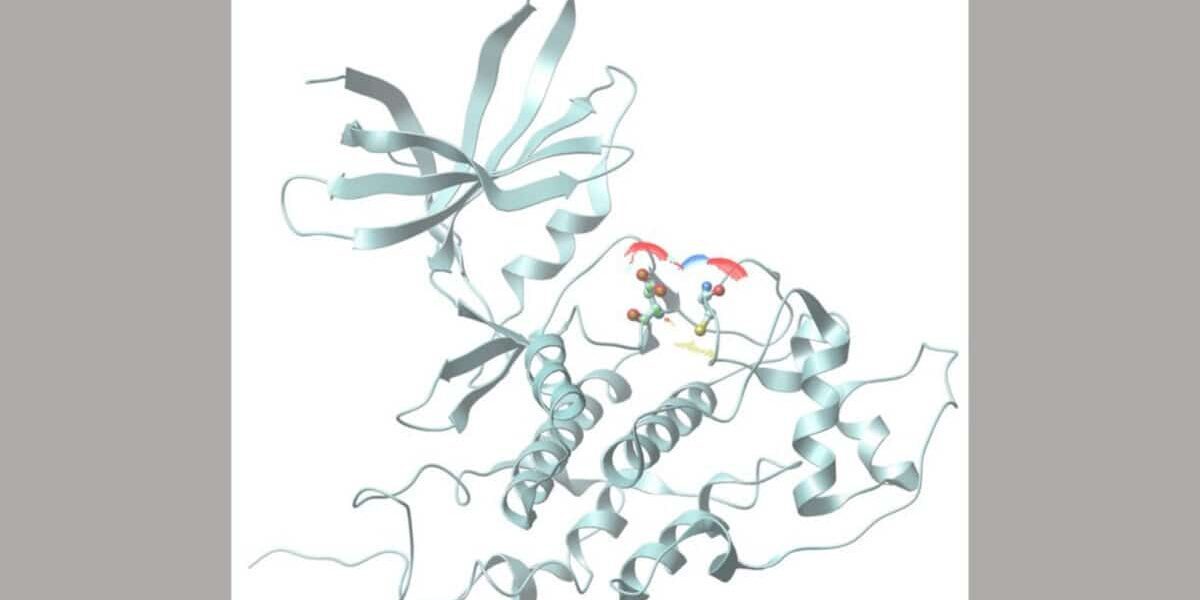
As the research moves forward, the team is now examining the molecular pathways that make this gas effective in slowing the effects of Alzheimer’s. PhD student Daniel Giovinazzo explained that the group is investigating how sulfur-containing molecules interact with GSK3β, a protein associated with the disease.
“Understanding the cascade of events is important to designing therapies that can block this interaction like hydrogen sulfide is able to do,” Giovinazzo said. By exploring how these interactions unfold, researchers hope to map out exactly how hydrogen sulfide might be used in future medical treatments.