This post was originally published on here
Hyderabad: Scientists have documented intense marine darkwaves across the world for the first time that can last for a few hours to a couple of months, impacting the marine ecosystem.
The peer-reviewed study—Marine darkwave as an event-based framework to assess unusual periods of reduced underwater light availability—has been published on 12 January in the Nature Portfolio journal Communications Earth & Environment.
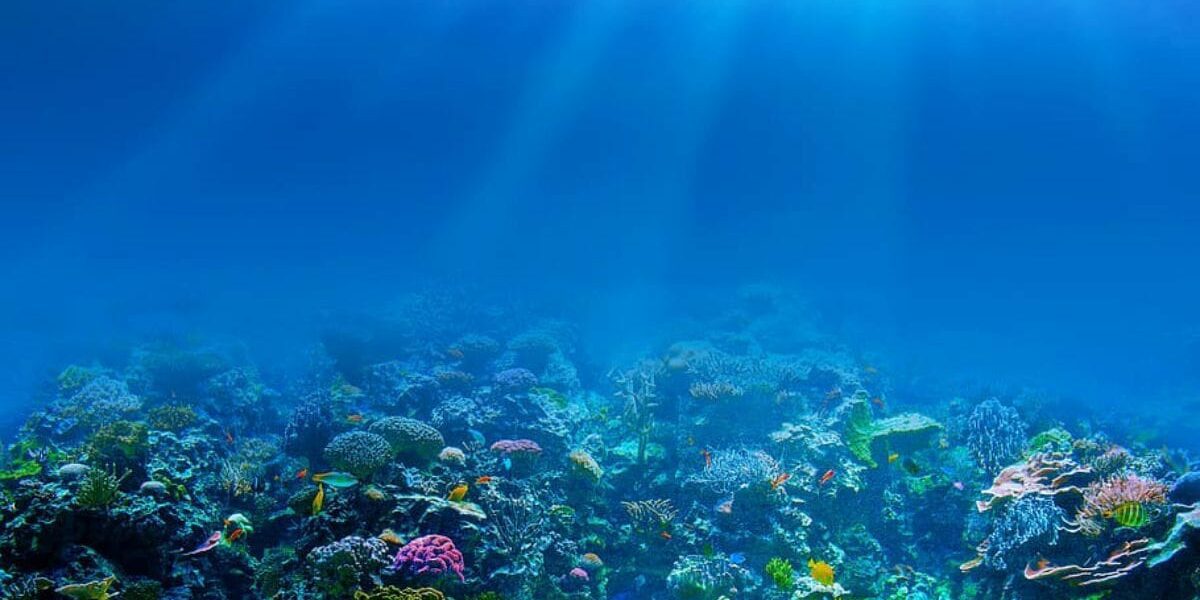
Light is the primary life source for much of the marine biosphere. Photosynthetic organisms such as algae, kelp, seagrasses and corals form the base of coastal food webs. It also provides one of the richest nursing grounds for hatchlings and supports everything from invertebrates to large predators. When light fails to reach the seabed, these systems can stall or collapse.
“We have long known that light levels are critical for photosynthetic organisms. And those factors that reduce light to the seafloor can impact them,” co-author Bob Miller, a research biologist at UC Santa Barbara’s Marine Science Institute, wrote in the study.
Despite its significance, tracking of the losses of underwater light has remained difficult. “Light is a fundamental driver of marine productivity, yet until now we have not had a consistent way to measure extreme reductions in underwater light,” lead author François Thoral, a postdoctoral fellow at the University of Waikato and Earth Sciences New Zealand, added in the study.
To build that framework, researchers analysed long-term data from multiple coastal regions. The study used 16 years of measurements from the Santa Barbara Coastal Long Term Ecological Research site (LTER) and 10 years of observations from New Zealand coastal locations in Hauraki Gulf/Tīkapa Moana, in the Firth of Thames. The team also examined 21 years of seafloor light estimates derived from satellite data along New Zealand’s East Cape.
Also read: Gaganyaan uncrewed flight faces delay. ISRO withdrew request to Hawaii on day of PSLV failure
Phenomenon observed since 2002
Across thousands of nautical miles, the findings were consistent. Marine darkwaves ranged from brief events lasting only a few days to prolonged episodes that persisted for more than two months. In some cases, light reaching the seabed was almost completely eliminated.
The researchers identified between 25 and 80 darkwave events along the East Cape since 2002. Many were associated with powerful storms and large-scale weather systems.
For years, scientists have focused on gradual, long-term declines in water clarity as a major threat to coastal ecosystems. The new findings suggest that sudden darkwave events may be just as damaging.
“Even short periods of reduced light can impair photosynthesis in kelp forests, seagrass and corals,” Thoral wrote in the study. “These events can also influence the behaviour of fish, sharks and marine mammals. When darkness persists, the ecological effects can be significant.”
The marine darkwave framework complements existing indicators used to track marine heatwaves, ocean acidification and deoxygenation. This adds a new dimension to how scientists detect acute ocean stress.
As one of the few global sites with long-term seafloor light data, the Santa Barbara Coastal LTER will serve as a base for expanding the research.
(Edited by Saptak Datta)