This post was originally published on here
The post Social Bonds in Coyotes: How They Mate for Life and Grieve Their Loss appeared first on A-Z Animals.
Quick Take
-
High levels of pair fidelity are common in urban coyotes and contribute to offspring survival.
-
Juvenile coyotes typically disperse from their natal group between 6 months and 2 years of age
-
Evidence of complex mourning provides a counterintuitive perspective on the emotional capacity of wild canines.
-
Scent cues play a role in individual recognition and maintaining pair bonds in coyotes.
Coyotes are often described as adaptable survivors that thrive wherever humans live. That description, while accurate, leaves out an important part of their lives. Research over the past decade has revealed that coyotes form long-term social bonds that shape how they reproduce, defend territory, and respond to loss.
Advertisement
Advertisement
Many coyotes choose one partner and remain with that individual for years, sometimes for life. When a partner dies, the surviving animal may show lasting changes in behavior and stress response. These discoveries are reshaping how scientists understand carnivore social behavior and challenging assumptions that predators operate mainly as solitary competitors.
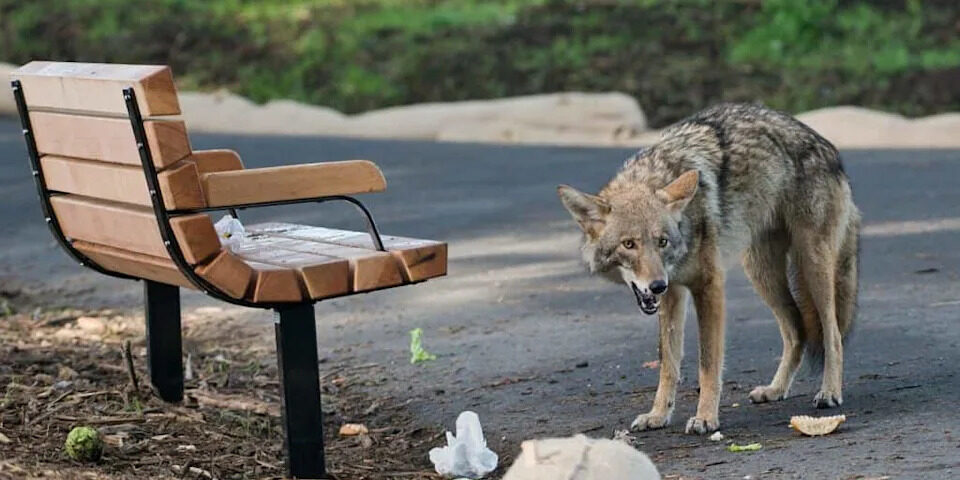
Coyotes are increasingly common in urban and suburban areas. This makes understanding their behavior a priority for researchers.
©Matt Knoth/Shutterstock.com
(Matt Knoth/Shutterstock.com)
Understanding these social bonds matters because coyotes are one of the most widespread carnivores in North America. Their behavior affects ecosystems, human communities, and wildlife management strategies. When researchers look closely at how coyotes live and relate to one another, they gain insight into how social attachment can influence survival, population stability, and conflict. Coyotes are emerging as a species whose success depends on cooperation, continuity, and long-term relationships.
Lifelong Pairing in an Unexpected Carnivore
True lifelong mating partnerships are rare among mammals, especially among carnivores that face frequent environmental change. Coyotes challenge this pattern. Long-term field studies have shown that once a male and female coyote form a pair, they often remain together year after year. Genetic testing of parents and offspring has confirmed that these pairs are sexually exclusive, a pattern known as genetic monogamy. This level of fidelity is uncommon among wild mammals and contrasts with many related species.
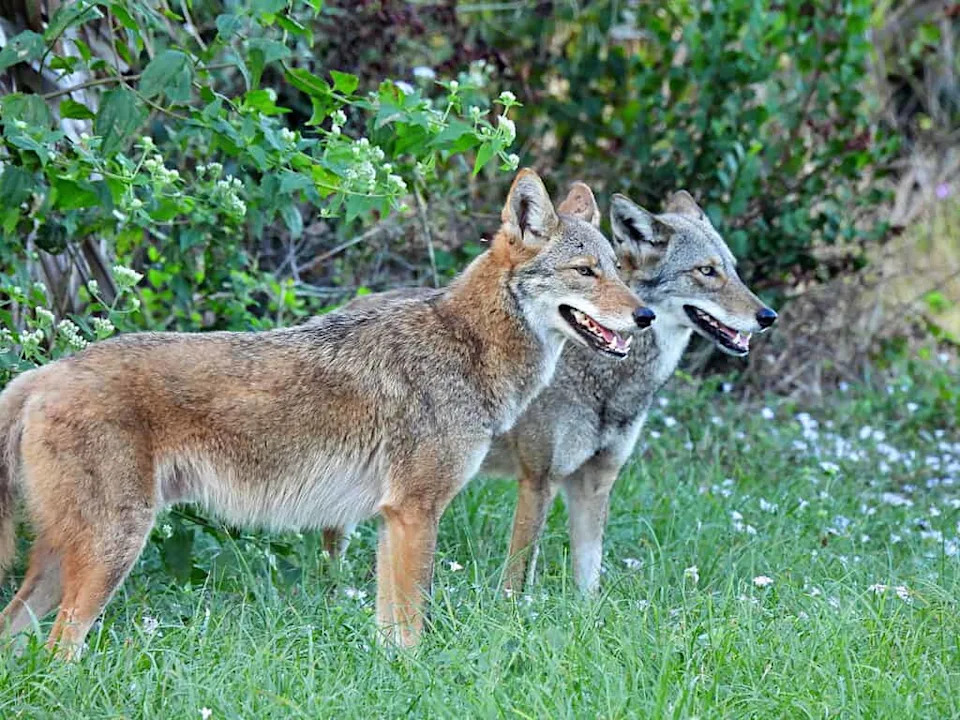
Regardless of habitat, coyotes show a tendency to form lifelong pairs.
©iStock.com/passion4nature
(iStock.com/passion4nature)
Coyotes in a wide range of habitats observe these behaviors, regardless of whether potential mates are scarce or plentiful. The bond usually ends only when one partner dies. This suggests that the partnership itself has value beyond convenience. Mate choice becomes a lasting commitment rather than a seasonal arrangement. For coyotes, pairing with the right partner may influence survival for many years. That finding forces scientists to rethink how flexible carnivore social systems really are.
How Pair Bonds Improve Survival and Stability
The benefits of long-term pairing help explain why coyotes invest so heavily in one partner. Raising pups requires constant effort, and cooperative parenting improves survival rates. One adult can hunt while the other guards the den or cares for the young. Sharing these roles reduces exhaustion and increases the chances that pups reach adulthood. Larger litters can survive because food and protection are more reliable.
Advertisement
Advertisement
Pair bonds also strengthen territorial defense. A bonded pair can patrol, scent mark, and repel intruders more effectively than a lone animal. Stable territories reduce conflict and create predictable access to food. Over time, this stability benefits the wider population by limiting constant turnover and aggressive encounters. In human-dominated landscapes, where risks include traffic, development, and control efforts, having a reliable partner may be one of the most important tools a coyote has for navigating danger.
Family Groups and Cooperative Behavior
Coyote social life does not stop with a bonded pair. In some areas, young coyotes from previous litters remain with their parents beyond their first year. These older offspring may help defend the territory or watch the younger pups. This creates small family groups that function through cooperation rather than dominance. While these groups are less structured than wolf packs, they still rely on coordination and familiarity.
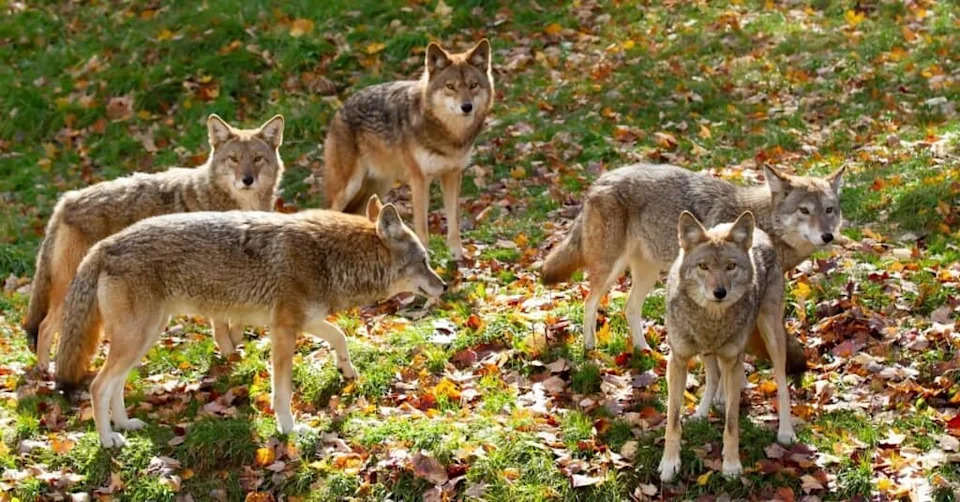
Coyotes sometimes form multigenerational family packs.
©Jim Cumming/Shutterstock.com
(Jim Cumming/Shutterstock.com)
Communication plays a central role in maintaining these relationships. Coyotes use scent marks to identify territory and individuals. Vocalizations help family members stay in contact and warn others away. These signals support cooperation and reduce unnecessary conflict. The strength of the original pair bond supports the broader family structure. When that bond is disrupted, the effects can impact the entire group, not just the two individuals.
Behavioral Changes After the Loss of a Partner
When a coyote loses its mate, researchers have documented noticeable changes in behavior. Widowed coyotes may howl more often and for longer periods than usual. These calls differ from routine territorial signals and may persist for weeks or months. Some individuals return repeatedly to locations associated with their lost partner, such as shared travel routes or den sites.
Advertisement
Advertisement
Other changes include reduced appetite, lower activity levels, and altered posture. These behaviors suggest prolonged stress rather than a brief reaction. While scientists avoid assuming animals experience emotions in the same way humans do, the consistency of these responses across individuals indicates that partner loss has lasting effects. The surviving coyote does not simply replace the mate and resume normal behavior. Instead, the loss alters how the animal interacts with its surroundings.
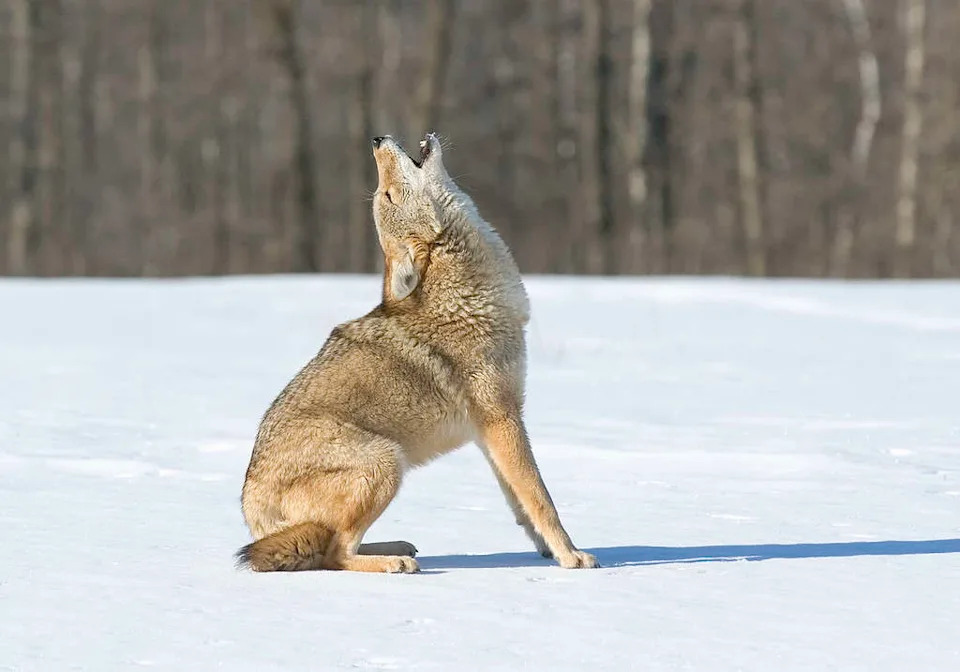
Coyotes may howl more often after losing a mate.
©John Pitcher/iStock via Getty Images
(John Pitcher/iStock via Getty Images)
Stress, Memory, and the Grieving Brain
To understand what drives these behavioral changes, researchers have examined stress hormones and brain activity in coyotes that lost a partner. One focus has been corticotropin-releasing factor, a hormone that activates the body’s stress response. This system influences cortisol release, energy use, and emotional regulation. Changes in this system can affect behavior long after a stressful event.
Studies of deceased coyotes have found differences in stress-related receptor activity in brain regions involved in memory and smell. These areas help animals recognize individuals and navigate territory. Shifts in how these regions function may explain why widowed coyotes search familiar places or respond strongly to scent cues linked to their partner. Although sample sizes remain small, the pattern suggests that social loss can reshape neural processing in meaningful ways.
Coyotes are not the only mammals that form lasting bonds. Prairie voles, small rodents studied extensively in laboratories, also form long-term partnerships. When a vole loses its mate, it often shows reduced motivation and altered stress responses. These changes resemble those seen in coyotes, despite major differences in size, habitat, and lifestyle.
Advertisement
Advertisement
Comparing coyotes with well-studied laboratory species helps scientists identify shared biological systems involved in attachment. Coyotes add an important perspective because they live in complex environments shaped by human activity. Their responses to loss occur in real landscapes filled with risks and disruption. This makes them a valuable bridge between controlled laboratory research and wild animal behavior.
What Coyote Research Reveals About Dogs Losing a Companion or Human Caregiver
Research on coyotes helps explain why dogs may change after losing not only another dog, but also a human caregiver. Coyotes form stable social bonds that regulate daily behavior, movement, and stress. When a partner disappears, those systems do not reset quickly. Domestic dogs share much of the same attachment biology, even though their primary bonds often involve people rather than mating partners.
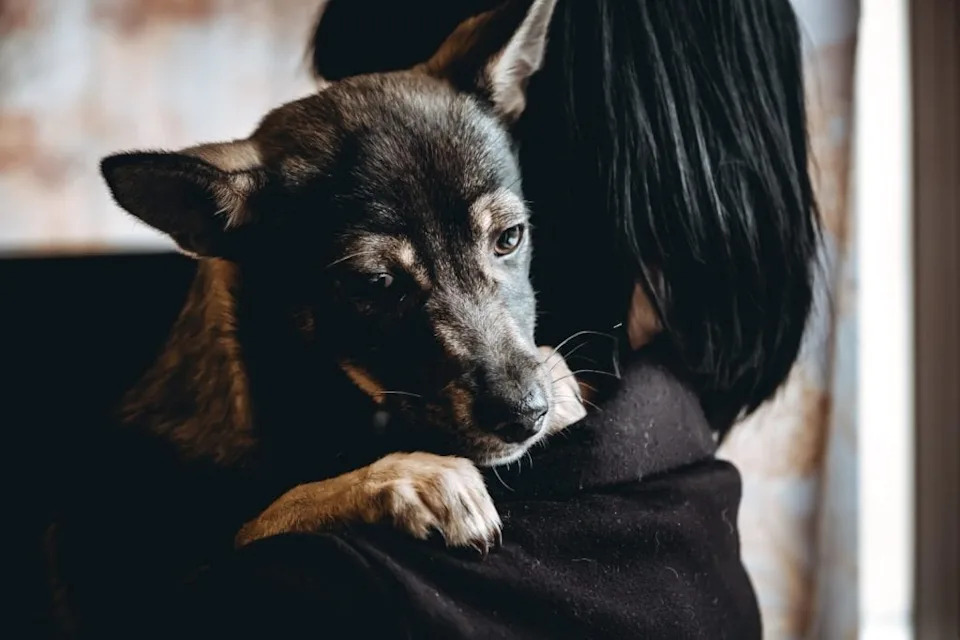
Dogs grieve the loss of human companions they have bonded with, not just other dogs.
©Hanna Taniukevich/Shutterstock.com
(Hanna Taniukevich/Shutterstock.com)
Observations and behavioral studies show that dogs may respond to the death of an owner with reduced appetite, withdrawal, sleep changes, increased vocalization, or heightened anxiety. Dogs may not understand death in an abstract sense, but they do recognize the permanent absence of a companion and the disruption of their routine. Coyote research supports the idea that social canids rely on specific individuals to regulate stress and predictability. When that individual is gone, behavior shifts until a new balance forms. This helps explain why dogs may grieve people as well as animal companions.
Separation, Rehoming, and the Loss of Familiar Social Figures
Coyote studies also offer insight into how dogs respond to separation from familiar partners, whether those partners are other dogs or people. In wild coyote populations, long-term social bonds rarely end by choice. Separation usually occurs through death, not distance. This context helps explain why domestic dogs may struggle when a bonded individual is suddenly removed through rehoming, household changes, or the death of an owner.
Advertisement
Advertisement
Dogs separated from a long-term companion may show searching behavior, restlessness, or changes in social engagement. These responses can occur even when the missing individual is still alive elsewhere. Dogs form attachments based on shared routines, proximity, and predictability. When that structure breaks, stress responses can persist. Coyote research highlights that social canids are sensitive to the loss of specific partners, not just social contact in general.
Why Social Bonds Change Population Dynamics
Understanding coyote social bonds is not just an academic exercise. Pair bonds influence how populations grow and move. When a bonded pair remains intact, breeding is regulated, and territories remain stable. When one member is removed, that stability can collapse. Vacant territories may attract new coyotes, leading to conflict and increased breeding activity.
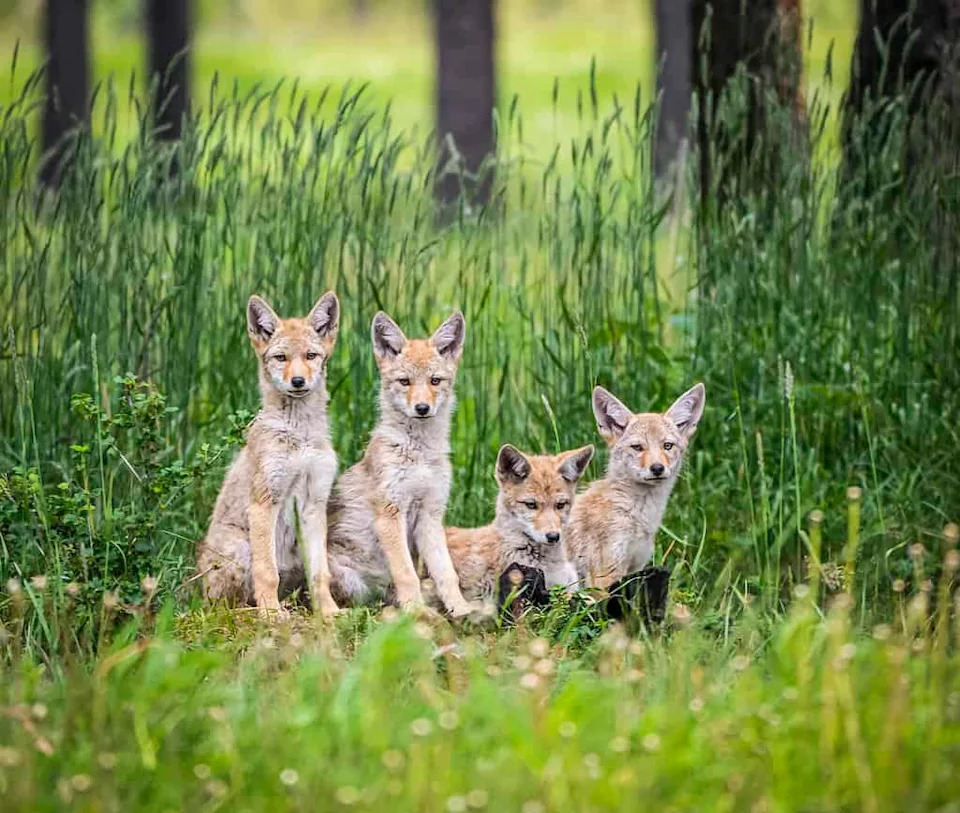
Lethal culling of coyote populations can result in an increase in their numbers, as more animals breed when pack structure breaks down.
©Annie Hewitt/iStock via Getty Images
(Annie Hewitt/iStock via Getty Images)
This helps explain why lethal control efforts sometimes fail to reduce coyote numbers. Removing individuals can disrupt social structure and trigger changes that increase reproduction or movement. A focus on social relationships offers a clearer picture of why some management strategies produce unexpected results. Coyotes respond not just as individuals, but as members of long-standing partnerships and families.
Rethinking Coyotes Through Social Science
The discovery of lifelong bonds and responses to loss in coyotes reshapes how scientists and the public understand this species. Coyotes are not just adaptable survivors. They are social animals whose relationships shape their lives and their impact on the landscape. These bonds influence reproduction, territory, and resilience in the face of change.
Advertisement
Advertisement
As research continues, scientists will refine their understanding of how attachment works in wild carnivores. Coyotes offer a strong example of how social structure can support success in challenging environments. Seeing them through this lens encourages more informed science and more thoughtful coexistence.
The post Social Bonds in Coyotes: How They Mate for Life and Grieve Their Loss appeared first on A-Z Animals.