This post was originally published on here
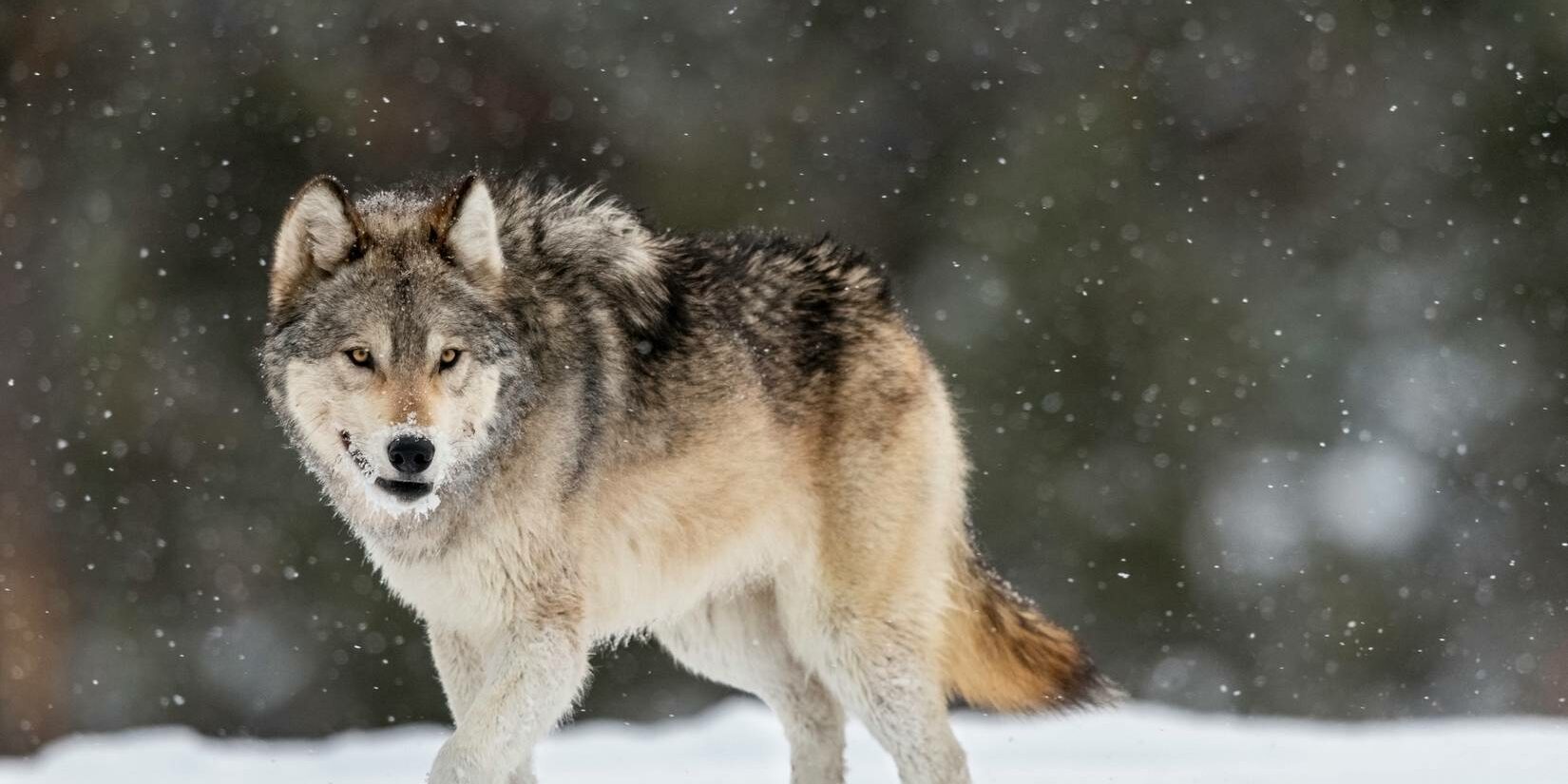
After decades of absence in Yellowstone National Park, the pack becomes the ultimate savior of the park’s ecosystem. Researchers, scientists, and wildlife enthusiasts found it strange how the course changed. Wolves are known to be at the top of their natural food web, and their reintroduction to Yellowstone has visibly reformatted the ecosystem.
In the 1920s, packs of wolves roamed freely in the park, but they became extinct due to human activities. They were purposely exterminated to protect livestock and big game. Then, the prey, such as elk and moose, started to overgraze. Trees and shrubs stopped growing taller or denser.
In 1995, a pack of wolves was transported from Canada to Yellowstone. From then on, the ecosystem magically changed despite concerns among local livestock owners near the park. But are the wolves the sole engineers in Yellowstone’s ecosystem rebirth?
Wolves Surprise Scientists With The Revival Of Yellowstone National Park’s Ecosystem
The last wild wolf seen in Yellowstone was in the 1920s. The absence of wolves for many decades led to a surge in elk and moose populations. There was overgrazing. Slopes eroded, vegetation became scarce, and degradation on the riverbanks was visible.
Then, after 70 years of extinction, the United States decided to reintroduce wolves into Yellowstone National Park to help restore the balance to the ecosystem. It was one of the most astonishing ecological stories. The land responded, as if it were before the wolves’ extinction.
Elk and moose changed their grazing habits. Beavers returned to build dams. Rivers became narrow and stabilized, and the riverbanks were covered again with willows and poplars. Yellowstone also saw the return of quaking aspens that vanished almost a hundred years ago.
According to the National Park Service, the U.S. Department of the Interior, which manages the NPS, convened an official meeting in 1972 to discuss reintroducing wolves in Yellowstone. Scientists conducted a study on the possible presence of wolves in the park, but biologist John Weaver later reported to the DOI that the predators aren’t there.
“The wolf niche appears essentially vacant. Therefore, I recommend restoring this native predator by introducing wolves to Yellowstone,” reads Weaver’s report.
Two years into the restoration program, 31 wolves were successfully translocated to Yellowstone and fitted with radio collars to monitor their movements. Officials initially concluded that the wolves would prey on livestock in the surrounding areas, but they killed only about 10 sheep over those two years, surprising scientists.
The Astonishing Outcome
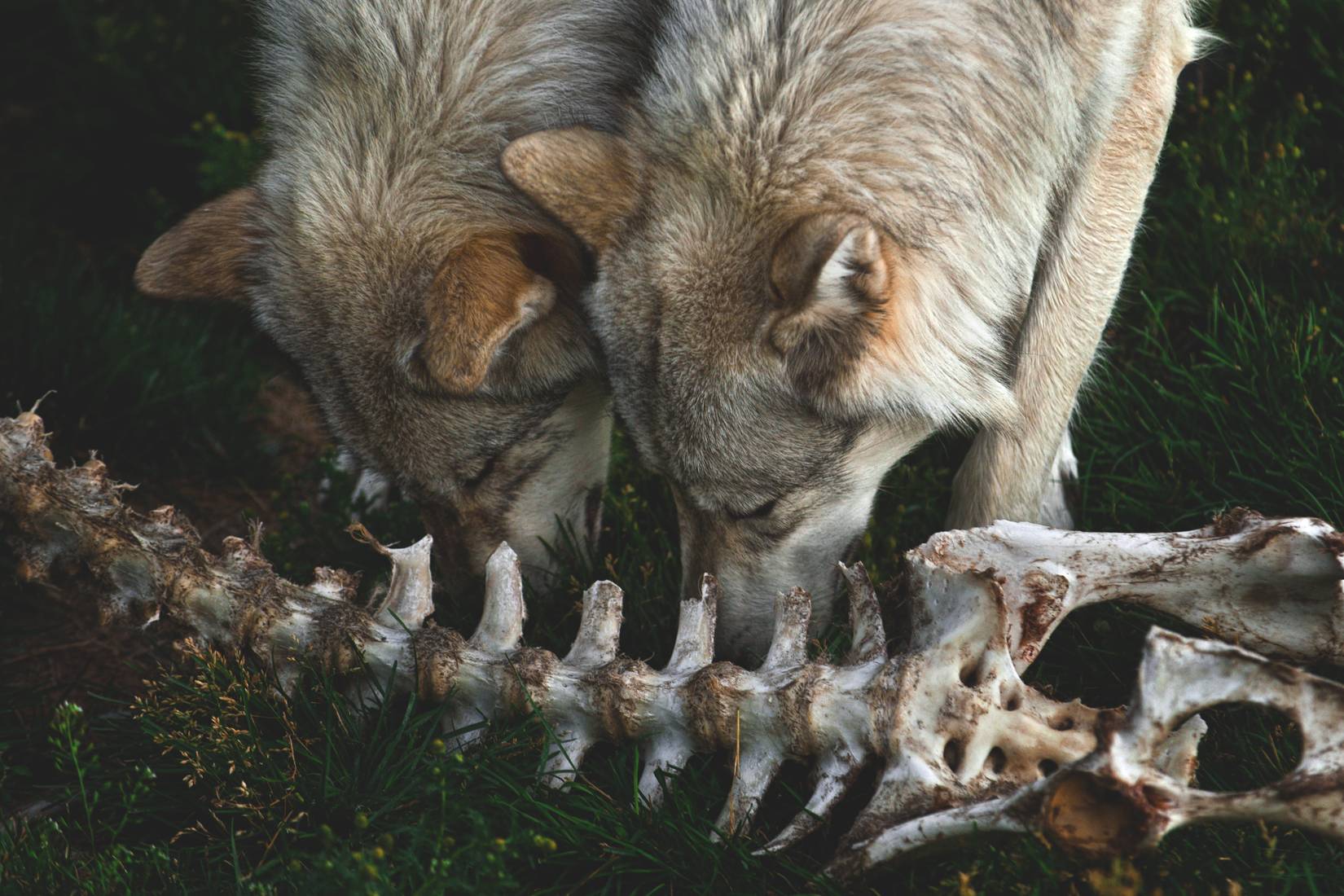
Instead of killing much of the livestock in the surrounding areas, the wolves preyed primarily on elk, at least every two to three days. They also preyed on bison and moose, which had huge populations during the park’s wolf-free period.
This led to a decline in the elk and moose population. Because the elk and moose started to notice the pattern, many of them avoided grazing in open valleys and riverbanks. This resulted in vegetation in the Greater Yellowstone Area flourishing. Their absence in many of these riparian areas allowed shrubs and trees to grow, including willows, poplars, and aspens, most of which are native to Yellowstone.
Then, scientists noticed that the healthy growth of riparian zones in Yellowstone attracted beavers, which build dams, allowing rivers to stabilize. From there, a “tropic cascade” was visible:
- Beavers created dams across streams.
- Dams slowed water, creating ponds or flooded areas that, in turn, deposited sand, mud, and other sediments.
- As sediments built up, the rivers became firmer and more stable, keeping erosion at bay.
- With stabilized waterways, insects thrived in vegetation and water, attracting fish and amphibians.
- The thriving trees and shrubs along riverbanks formed layered forest structures, becoming feeding and nesting grounds that attract river-loving birds.
The wolves’ presence in Yellowstone and the behavioral shift of most of their prey have reshaped the landscape, boosting the ecosystem.
Are The Wolves The Lone Architects Of Yellowstone’s Ecosystem Restoration?
According to the NPS, the wolves transported from Canada were from certain areas of Jasper National Park and Williston Lake in British Columbia, as their environment was similar to Yellowstone — “rolling and rugged terrain, dotted with meadows and forests of aspen, fir, spruce, and lodgepole pine, and supporting a large elk population.”
Those wolves were also free from rabies, brucellosis, and tuberculosis.
The only difference between their ecosystems is that Yellowstone was degrading due to overgrazing, vegetation decline, and unstable waterways. This was fixed after wolves were reintroduced to the park decades later.
Timeline Of Wolves Restoration In Yellowstone (As Per Greater Yellowstone Coalition)
|
1972 |
Official meeting with the DOI to reintroduce wolves in Yellowstone |
|
1995 – 1996 |
The restoration program began |
|
1997 – 2007 |
Some wolves got killed, while others reproduced |
|
2008 – 2017 |
Wolves were delisted and relisted on the Endangered Species Act in Montana, Idaho, and Wyoming |
|
Present Time |
Wolves have successfully settled in Yellowstone, boosting its ecosystem and playing a vital role as ecosystem engineers |
By controlling herbivores, wolves, some of the most incredible animals in Yellowstone, opened the path to restoring Yellowstone’s natural processes. Wolves don’t have natural predators (other than humans), placing them at the top of the food web.
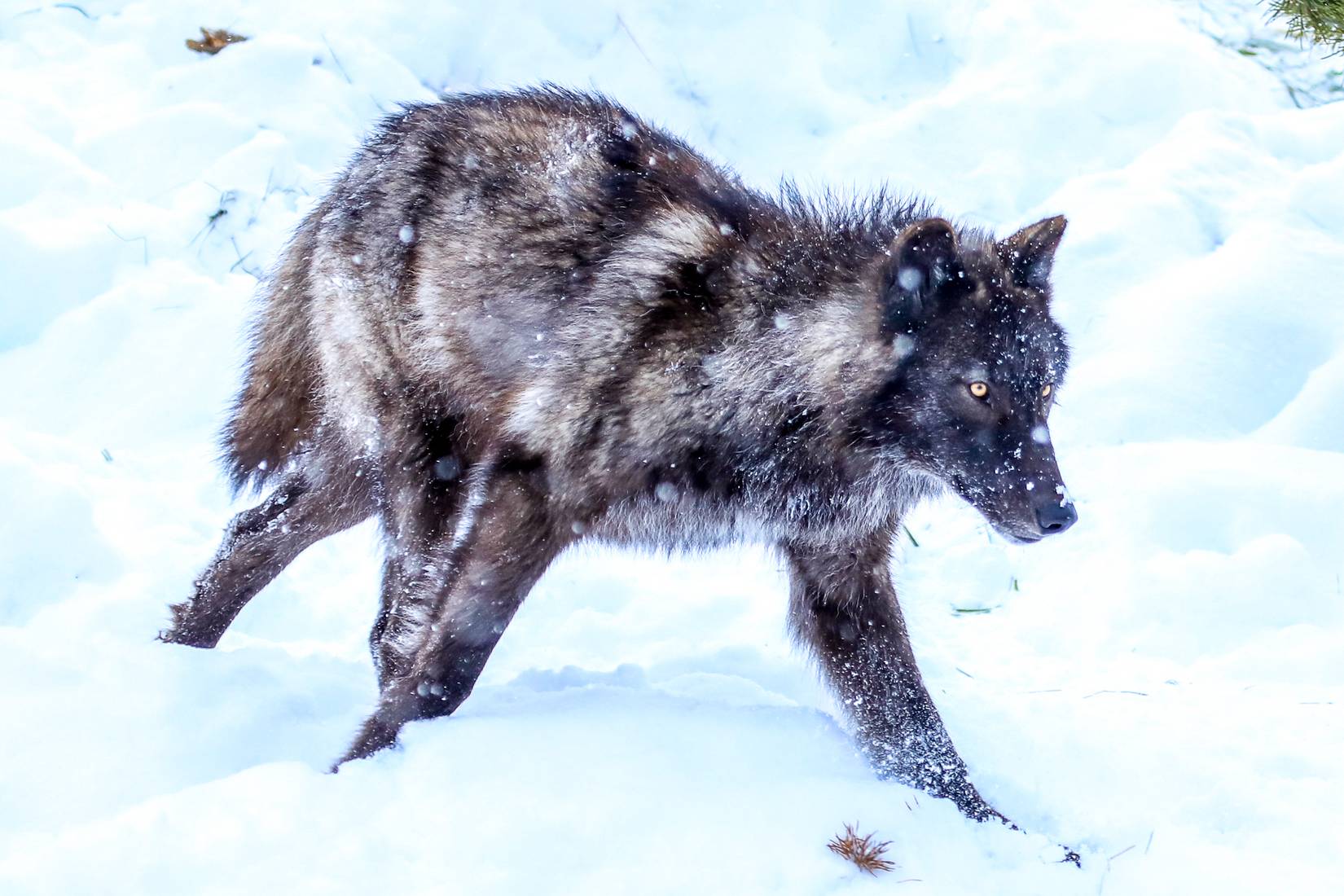
In Yellowstone, they’re considered the apex predators, causing “trophic cascades,” a chain of reaction in an ecosystem that occurs when changes at the top of the food chain ripple downward. Their influence, though, is sometimes contested by critics, as they are not the only animals roaming freely in Yellowstone.
Some experts argue that while wolves engineered the rebirth of Yellowstone’s ecosystem, we also have to thank other wildlife, including beavers, bison, and even rivers.