This post was originally published on here
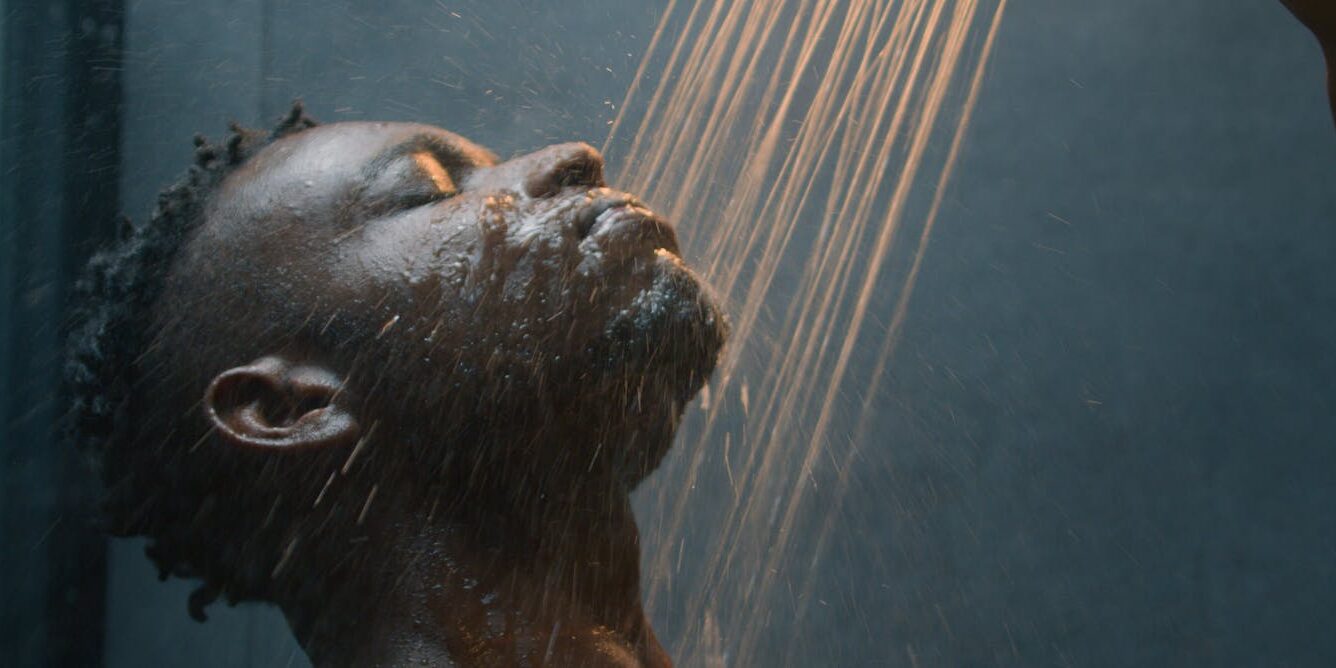
The latest wellness trend and “sleep hack” involves switching off the bathroom light before stepping into the shower. In the dimness, the water feels louder, the day’s visual clutter fades and the hope is that sleep will come more easily. This practice, often called “dark showering”, has spread on social media, with people claiming that washing before bed in near darkness leads to deeper and faster sleep.
There is little research on dark showering as a standalone sleep technique. However, sleep science is clear about two key factors this ritual changes: light and heat. Both can nudge the body toward sleep or keep it alert.
Light is not only for seeing. Bright light in the evening signals to the brain’s internal body clock that it is still daytime. This delays the release of melatonin, a hormone that helps regulate sleep and is often described as the body’s “darkness signal”.
In a laboratory study of 116 adults, typical room lighting between dusk and bedtime reduced early night melatonin levels by about 70% compared with very dim light. Exposure to room light before bed also shortened the total duration of melatonin release by about 90 minutes. Participants reported feeling more alert.
Read more:
Light at night can disrupt circadian rhythms in children – are there long-term risks?
Bathrooms are often the brightest rooms in a home. Overhead lighting and illuminated mirrors are designed for precision tasks that are useful in the morning but less helpful late at night. Turning these lights off, or dimming them, removes a strong signal that it is still daytime.
One experiment exposed volunteers to standard bathroom lighting for just 30 minutes at bedtime. Melatonin levels dropped and self reported alertness increased, even though participants remained in the bathroom.
More recent research supports this. A 2025 crossover trial compared exposure before bed to cool white LED lighting with softer fluorescent lighting at the same brightness. The LED lighting delayed the time it took participants to fall asleep by about ten minutes and left them feeling less sleepy.
Another study of adolescents found that a burst of bright light in the early evening reduced melatonin levels three hours later and delayed the normal rise in sleepiness.
The same pattern appears in studies of screens. A controlled experiment comparing reading on a light emitting e-reader with reading a printed book found that the glowing device delayed the body clock, reduced melatonin and made it take longer to fall asleep.
A 2023 laboratory study that adjusted the “blue weighted” impact of screens, meaning the part of light most likely to affect the body clock, found that reducing this blue component lessened melatonin suppression and shortened the time needed to fall asleep.
If dark showering replaces time spent under bright bathroom lights or scrolling on a phone, it may help simply by reducing evening light exposure. The benefit will be smaller if the shower is followed by time under full lighting to dry hair, choose clothes for the next day and tidy up.
Darkness also works gradually. Melatonin does not switch on instantly when the lights go out, and a brief shower will not reset a body clock that has been running late for weeks.
Shower water may provide a second benefit. Research on passive body heating, which means warming the body without exercise, has shown that a warm shower or bath taken at the right time can help people fall asleep more quickly.
A 2019 meta analysis of 13 trials concluded that about ten minutes in warm water one to two hours before bedtime shortened the time it took to fall asleep by roughly nine minutes and improved sleep efficiency, the proportion of time in bed actually spent asleep. Warm water widens blood vessels in the hands and feet, helping core body temperature drop afterwards, a key signal for drowsiness.
Read more:
Want better sleep? Try a warm bath or shower 1-2 hours before bedtime, study suggests
Dark showering may also help prepare the nervous system for sleep. Low light reduces the brain’s alerting signals and makes it easier to shift from a state of vigilance, often called the “fight or flight” response, into a calmer “rest and digest” state.
One lab study asked volunteers to lie in a bath while sensors monitored their heartbeat. When the water was close to normal body temperature, about 37 to 38 degrees Celsius, the parasympathetic nervous system became more active. This is the part of the nervous system that slows the heart and supports relaxation. Heart rate slowed slightly and heart rate variability increased, a sign the body is adapting and settling.
A simpler experiment found a similar effect using only warm foot baths. Young women who soaked their feet in warm water for ten minutes showed an increase in vagal tone within 15 minutes.
Vagal tone refers to signals carried by the vagus nerve, which helps regulate heart rate, breathing and relaxation. Higher vagal tone is linked to steadier breathing, lower stress hormone levels and an easier transition into sleep.
Darkness supports the same process from another angle. Bright, blue rich LED lighting can raise heart rate and reduce vagal tone within minutes. A 2025 systematic review found that dimmer, warmer lighting allows heart rate variability to increase, signalling a calmer nervous system.
Read more:
LED face masks are popular on social media for glowing skin – but they could disrupt your sleep
Another factor is the sound of running water. A 2024 analysis found that natural sounds such as rainfall or flowing rivers can lower cortisol, a stress hormone, and stabilise heart rate more effectively than silence. Heat, darkness and soft background noise may therefore combine to signal that it is safe to relax.
There are important caveats. No large trial has directly compared dark showers with brightly lit showers while measuring objective sleep outcomes, so the idea is based on combining related findings rather than direct evidence.
People with mobility difficulties may need some light to reduce the risk of slips, and those who experience night-time anxiety may feel uneasy in complete darkness. As with most sleep advice, no single habit is a cure for chronic insomnia. Daytime light exposure, caffeine timing and stress management all play an important role.