This post was originally published on here

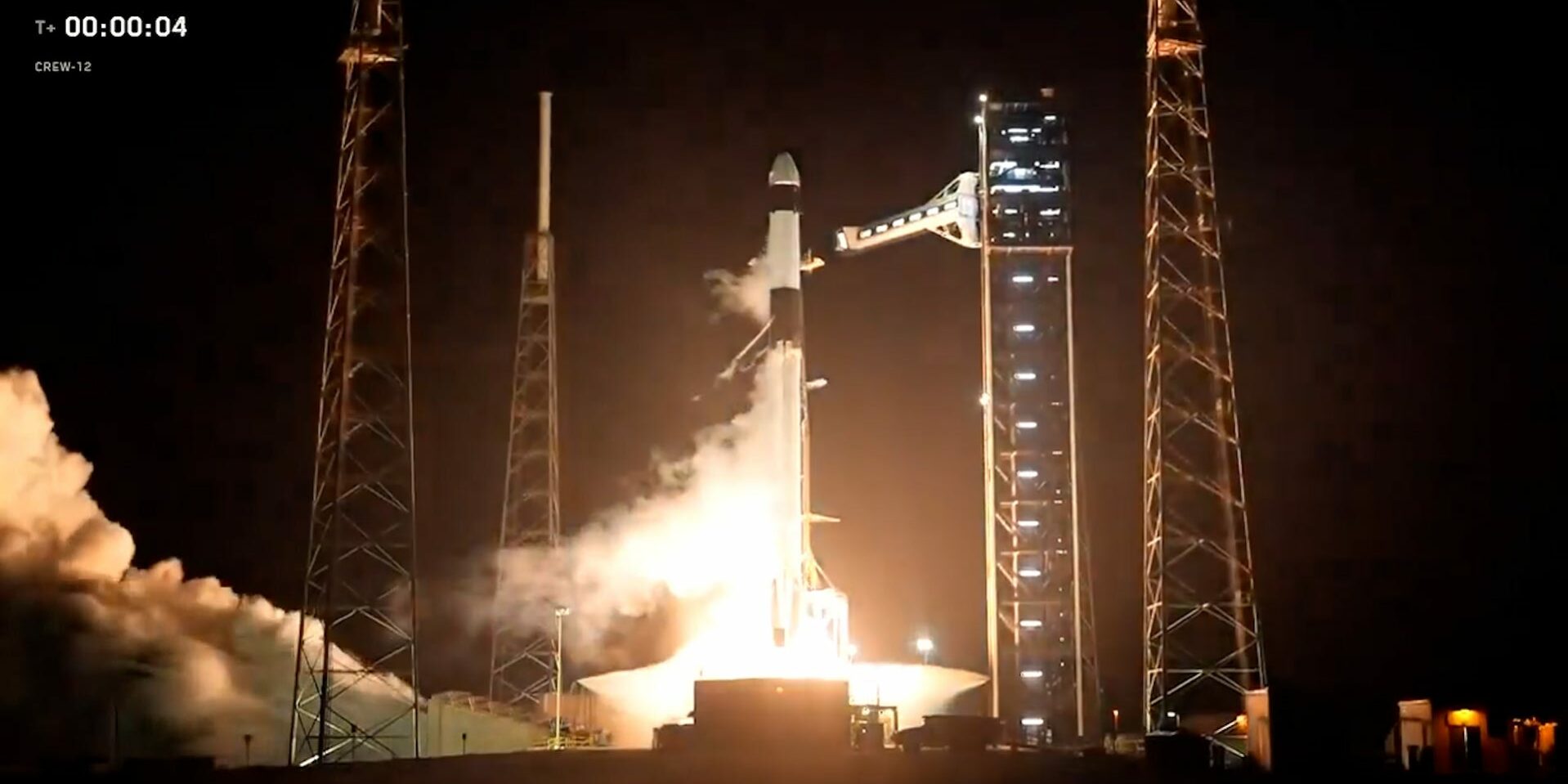
SpaceX, NASA launch astronauts to ISS for eight-month mission
A SpaceX rocket sent four astronauts to the International Space Station for an eight-month mission focused on microgravity.
A newly found comet is well on its way toward the sun, set to reach its nearest point come spring.
The comet, dubbed C/2026 A1, was discovered by a group of French scientists at a Chilean observatory on Jan. 13, and is currently approaching the sun, according to NASA and Sky & Telescope.
The comet will arrive at perihelion, the closest point to the sun in its orbit, on April 4, Sky & Telescope reported. Viewers with 8-by-10-inch telescopes will be able to see the comet, weather permitting, in the night sky starting in mid-March.
Here’s what to know about C/2026 A1.
Did scientists discover a new comet?
Yes, French scientists at AMACS1 Observatory in Chile discovered C/2026 A1, a new comet, on Jan. 13, per NASA and Live Science.
What is C/2026 A1?
C-2026 A1 is part of the Kreutz family of comets, with unusual orbits and close travel to the sun, Sky & Telescope, an astronomy magazine, reported. The comet is likely around 1.5 miles wide, Live Science noted.
When will C/2026 A1 reach the closest point to sun?
The comet will reach perihelion, its closest point to the sun in its orbit, on April 4, per Sky & Telescope. C/2026 A1 is expected to be 465,000 miles from the sun at that point.
The comet could explode due to its proximity to the sun, but even if it survives the approach, it will transform into a bright object, similar to a star, visible to the naked eye, Sky & Telescope and Live Science noted.
Contact Jenna Prestininzi: [email protected].