This post was originally published on here
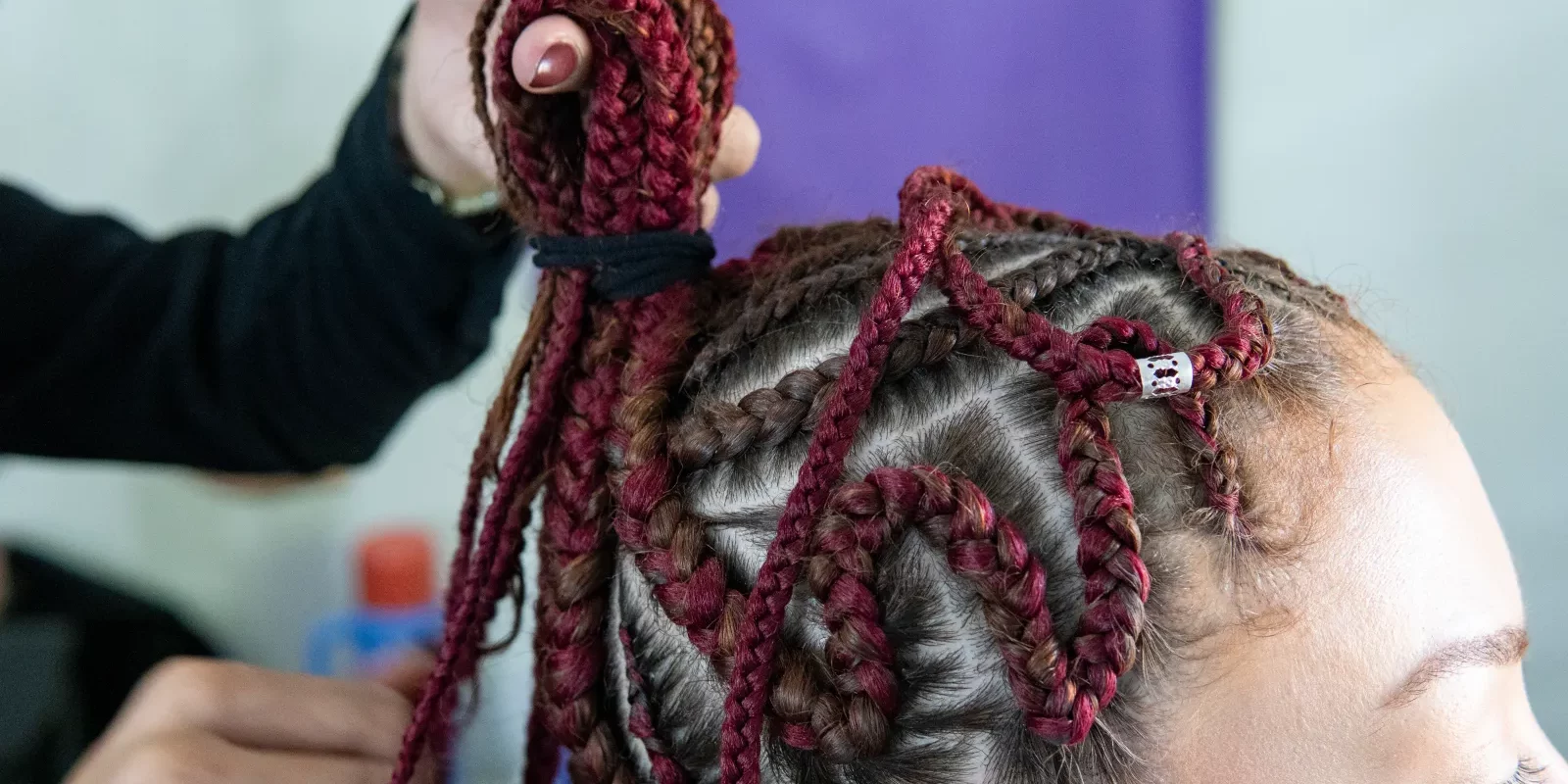
Hair extensions contain many more dangerous chemicals than previously thought, new research has found after identifying dozens of hazardous substances in popular products—including those made from human hair.
The findings add to growing concern about a largely unregulated category of beauty products that are widely used and disproportionately affect Black women.
The new study by the Silent Spring Institute, a Massachusetts-based organization that researches cancer prevention, found that nearly all hair extensions tested contained chemicals linked to serious health risks, including cancer, hormone disruption, developmental problems, birth defects and immune system effects.
More than 70 percent of Black women report wearing hair extensions at least once in the past year, compared with “less than 10 percent” of women from other racial and ethnic groups. Researchers note that this disparity in use means potential health risks fall unevenly on one part of the population.
The research was led by Dr. Elissia Franklin, who examined 43 popular hair extension products purchased online and from beauty supply stores. The products were categorized by fiber type—including synthetic extensions, which are mostly plastic polymers, and bio-based extensions made from materials such as human hair, banana fiber or silk.
Of the synthetic samples tested, 19 claimed to be flame retardant, three were labeled water resistant, nine heat resistant and three were marketed as “non-toxic.” Despite these labels, researchers found hazardous chemicals in nearly all products.
To analyze the extensions, the team used a technique known as non-targeted analysis, which screens for a wide range of chemicals. Using two-dimensional gas chromatography paired with high-resolution mass spectrometry, the researchers detected more than 900 chemical signatures across the samples. These included unknown substances.
Machine-learning software was then used to compare those signatures with an existing chemical library. Through that process, the researchers identified 169 individual chemicals spanning nine known structural classes.
Dr. Hazal Jafari, a board-certified dermatology specialist with over 20 years of experience in clinical and aesthetic dermatology told Newsweek that the study’s results do not surprise her.
“In dermatology we have long known that hair products, dyes, relaxers and adhesives in extensions can cause irritation, allergic contact dermatitis often on the scalp, behind the ears and around the hairline,” she said.
“What is new here is the extent of the testing and the number of chemical compounds detected. People often think that hair extensions are ‘just hair,’ but many are subjected to a variety of coatings, preservatives, dyes, fragrances, and chemical finishes during the manufacturing process and because they’re often worn continuously for extended periods of time, they can result in prolonged skin contact with the attendant risk of inflammation.
“In terms of toxicity, it was not really on the mind of most consumers, but for the dermatologists, we’ve always known that the scalp is an area that absorbs and responds in the same way as any other skin area.”
The analysis revealed dozens of substances associated with serious health risks.
These included flame retardants, phthalates, pesticides, styrene, tetrachloroethane and organotins. Many of these chemicals have been linked to increased risks of cancer, hormone disruption, developmental harm and effects on the immune system.
All but two of the 43 products contained hazardous chemicals. The only samples without detected hazardous substances were two of the three labeled as “non-toxic.”
In total, an alarming 48 of the identified chemicals appear on major hazard lists.
Twelve are listed under California’s Proposition 65, which flags chemicals known to cause cancer, birth defects or reproductive harm. The researchers also found 17 chemicals associated with breast cancer across 36 samples, including compounds known to alter hormones in ways that increase cancer risk.
“These findings make clear that stronger oversight is urgently needed to protect consumers and push companies to invest in making safer products,” Franklin said in a statement. “This is an industry that has long overlooked the health of Black women, who should not have to choose between cultural expression, convenience, and their health.”
Jafari added: “To women who want to continue their use of these hair extensions, steer clear of anything that smells strongly of chemicals, try not to use any kind of adhesive or glue on your scalp, and be particularly aware if you experience itching, fiery sensations, scaling, or thinning at the hairline. should you experience inflammation on the scalp, it is therefore a good idea to take out these hair extensions. Consumers should look for reputable brands that have more transparency in their ingredients and safety testing, but the truth of the matter is that many beauty products are not regulated as strictly as people think.”
But it looks like change is happening. New York recently introduced legislation that requires manufacturers of synthetic braids and hair extensions to disclose all ingredients used.
In New Jersey, a bill that bans harmful chemicals from synthetic hair products is advancing through the legislature.
Do you have a tip on a science story that Newsweek should be covering? Do you have a question about chemicals in beauty products? Let us know via [email protected].
Reference
Franklin, E. T., Favela, K., Spies, R., Ranger, J. M., & Rudel, R. A. (2026). Identifying Chemicals of Health Concern in Hair Extensions Using Suspect Screening and Nontargeted Analysis. Environment & Health. https://doi.org/10.1021/envhealth.5c00549