This post was originally published on here
I was doing my PhD at the University of Leeds when I first encountered wardrobe studies. While trying to place kimono within Japanese society for my research, I read widely about different kinds of clothing in different societies and contexts. It was then that I came across the book Through the Wardrobe: Women’s Relationships with Their Clothes, which proposes considering fashion through the eyes of users rather than through the industry or the runway.
This influenced me when I came to write the contemporary sections of my own book, The Social Life of Kimono. I included a chapter on makers and marketers, one on the press and media, and one on kimono wearers. This last chapter was based on interviews with about 10 people who wear kimono, including 2 from overseas.
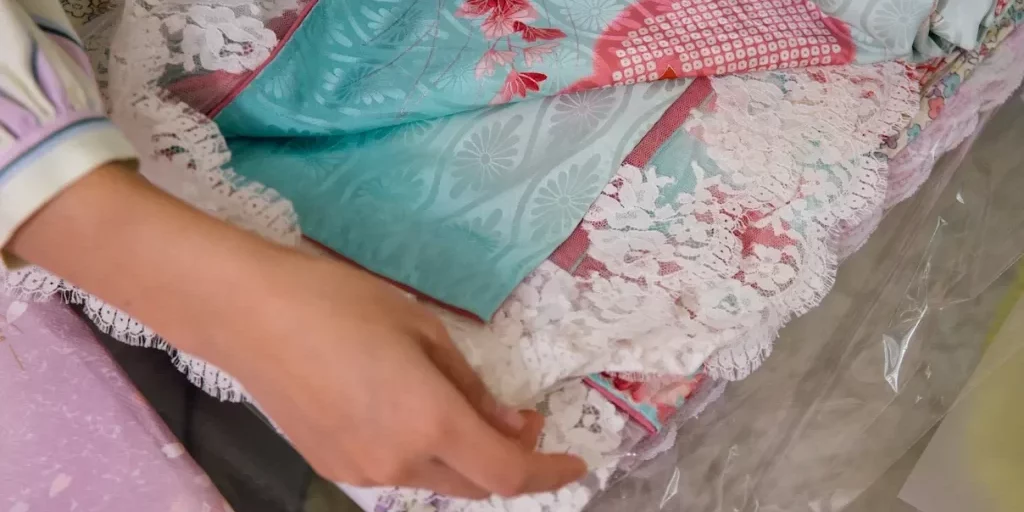
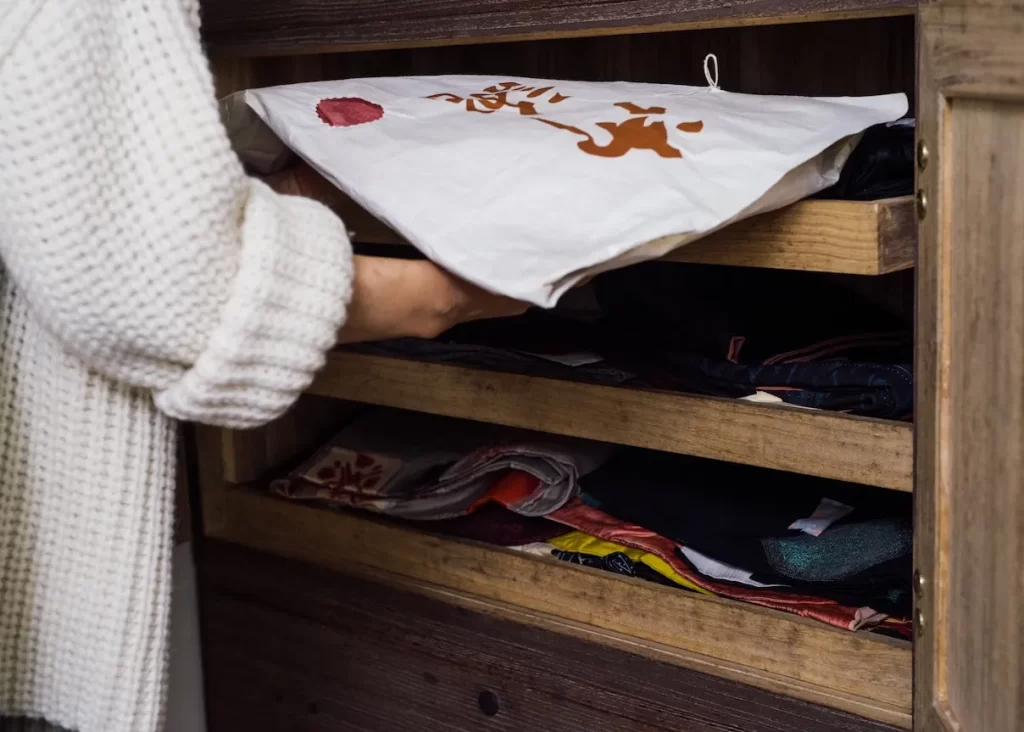
The importance of wardrobe studies, or the user perspective, stayed with me. I began to wonder whether there might be useful information within the wardrobe itself. In the Japanese case, kimono are slow fashion and, indeed, embody the role of inheritance, suggesting that kimono chests often hold hidden histories.
Keeping the family kimono chest is a gendered role—and within those drawers, women’s stories and family histories lie hidden, unseen, and untold. This raises a broader question about the importance of the user perspective: perhaps it is also crucial to the survival of the kimono industry. If no one knows what people value, how can they make the right products?
The Kimono Closet Project
It was in 2016 that I asked my friends Kumiko Ishioka, a kimono expert and enthusiast, and Todd Fong, a photographer, to join me in a project to interview 50 Japanese women across five age groups, in order to document their kimono closets.
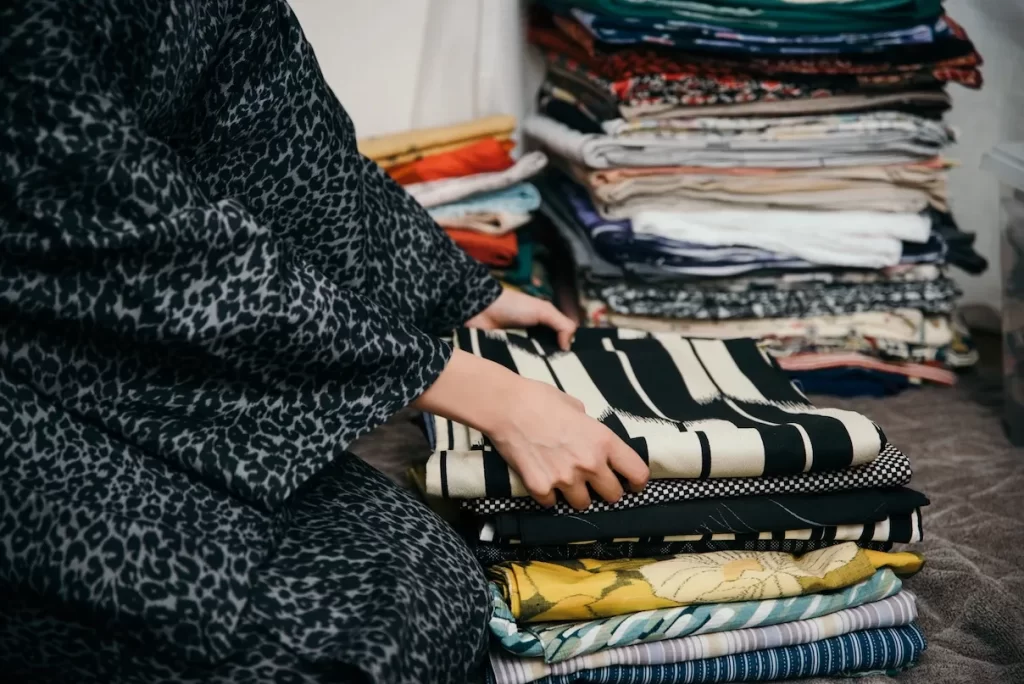
Charts were used to record the number and types of kimono each interviewee owned, as well as where they came from and how they were stored. We asked the participants, who were not professionals, about their influences regarding kimono and any problems they had with their kimono keeping.
The interviewing process took four years to complete. During that time, COVID-19 burst onto the scene and lockdown began. I had been intending to present my work at an international conference, but the project was shelved, and I went on to work on another book, and then another.
By 2024, the files were still staring me in the face. I felt a debt to the women who had invited me into their homes and even bedrooms, and allowed me to look into their drawers.
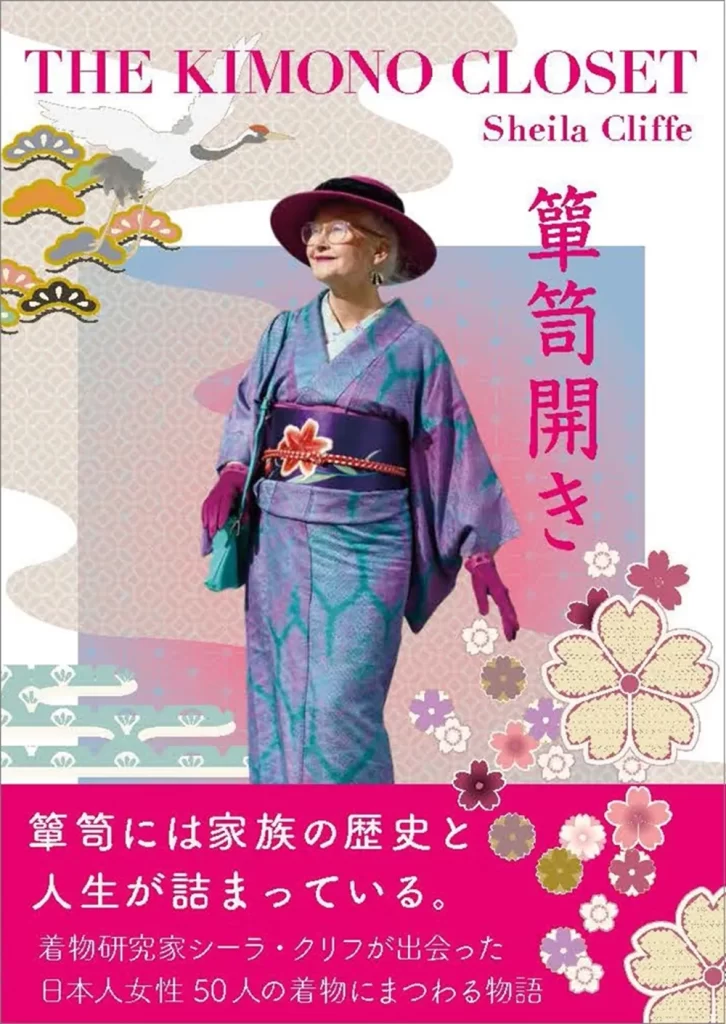
Finally, at the end of 2024, my publisher Kamome no Hondana agreed to publish a small run of my work. Preparing a work that includes the words of 50 women is not an easy task. There were times when I thought I would never get through it. Even getting permissions from everyone was a big job. I had lost touch with some of them, but 47 participants were contacted and all agreed to be in the book.
Threads That Bind a Family Together
So finally, this book has been completed. It has been in Japanese shops since mid-April and is available through Kamome no Hondana and Amazon.
While kimono is a form of Japanese fashion, it is also an inheritance and a collectible item. It is perhaps the intersection of these three roles that makes it so interesting.
The kimono closet is a secret space, because no one other than the person who keeps it knows what is inside. I think that, for the first time, this book puts the women who keep kimono at the center.
I saw almost 2,500 kimono during the course of my research. More than the garments themselves, I was fascinated by the stories told in relation to the kimono. About half of all the kimono had been passed down from other people, and about half had been purchased.
One woman commented that the silk threads are like blood vessels that join her family together. Through inheriting kimono, she was able to hear stories about her father, who had died at a young age. Many women feel that their kimono keep their ancestors close, and that wearing them makes them happy.
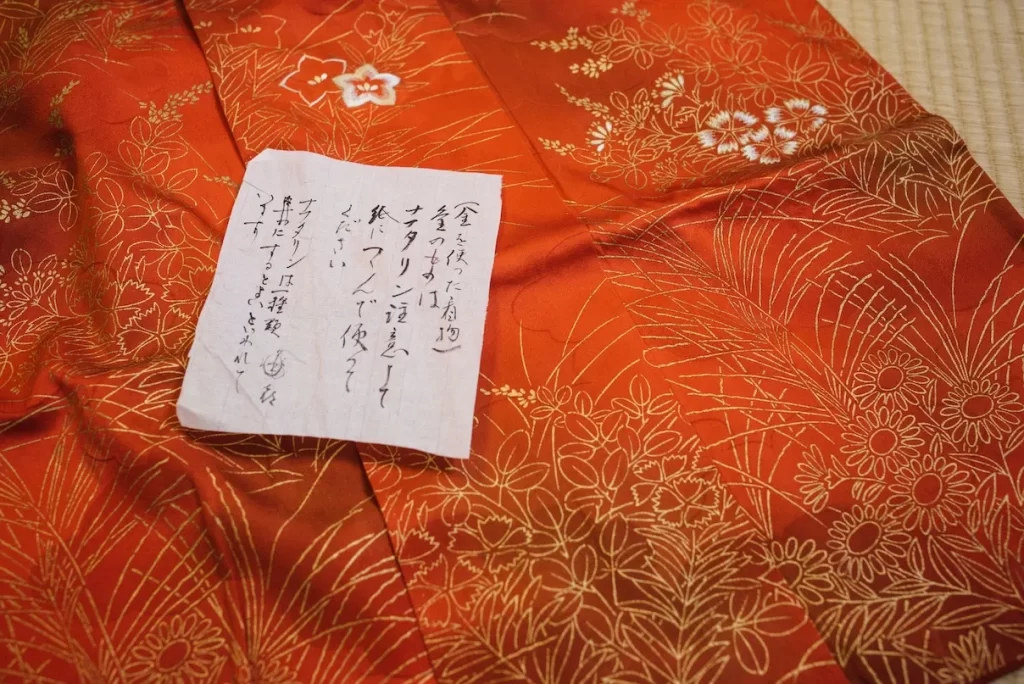

Unfolding Stories
They also carry a lot of memories in their folds. People remember the occasions when their mothers wore a certain kimono, and how they looked on that day. They also cherish the kimono they wore on their special days.
One woman recalled receiving a kimono from her grandparents and realizing it was a call to become a proper adult, as well as a reminder to behave responsibly. She felt a strong sense of obligation to wear and care for that kimono.
Many women buy kimono because they appreciate the textile techniques used to make them. They take pride in the first kimono they bought or chose for themselves. Often, buying a kimono is also a way of buying into its backstory: they may have met the artisan or visited the place where the kimono was made. These are carefully considered fashion choices, as kimono are long-lasting garments.
People’s circumstances and fashion journeys evolve over time, so this book offers a window into the years from 2016 to 2020. I hope that this history will be a valuable contribution to the literature on kimono, as well as to the history of Japanese women.
RELATED:
Author: Sheila Cliffe