This post was originally published on here
Globally, the tourism sector saw a boost of 4% in 2025 in terms of GDP growth, according to the World Tourism Barometer — but the United States has been trending in the opposite direction. North America had the slowest growth, with the U.S. travel sector rising by less than 1%.
Some frequent international travelers have expressed hesitation about taking their usual Stateside trips, saying they’re anxious about what to expect upon arrival. Many are concerned about the political temperature, with heightened worries about the possibility of immigration authorities detaining them.
Now, international travelers heading to the U.S. are being advised to have all their papers in order and understand their legal rights before arriving, as concerns about border screening procedures continue circulating in headlines and online.
Experts are reassuring U.S. visitors that being informed and well-prepared can be the deciding factor in whether entry goes smoothly. Carrying documents that clearly explain the purpose of a visit and understanding what border officials can and cannot require may make traveling through border checkpoints less stressful.
Travel Experts Say Preparation Makes A Bigger Difference Than Policy Changes
Concerns about stricter enforcement at U.S. entry checkpoints have grown following reports about expanded electronic device inspections and screening and travelers being denied entry. However, tourism professionals recently speaking to the BBC said many visitors expect problems that never materialize.
“People are arriving expecting friction, but instead of craziness, [they] find a system, while far from perfect, [that] is very navigable,” said Paul Whitten, founder and historian at Nashville Adventures.
Whitten added that coming prepared is the most important step travelers can take before departure. “Do your paperwork early, and build a buffer time to travel. The difference between a stressful trip and a great one usually comes down to how prepared you are, not the policies itself,” he said.
Some recent comments on Reddit about crossing the U.S. border share similar perspectives:
|
– “You’ll be fine. I just dropped off someone at Detroit Airport, and came right back. There were no issues. Border guards will be border guards, so don’t expect any ‘change’ in attitude.” |
|
– “I flew to Boston for a conference in November and it was fine — they asked if I was there for business or pleasure and that was it. I have nexus tho.” |
|
– “I went to USA about 5 times in 2024 and 10 times in 2025. Zero issues. I don’t know why everyone is so scared. I guess media got them.” |
However, another commenter had a slightly different perspective to add: “Frankly if you are white you probably wont have any hassle. If you aren’t white, then you gotta worry and get things in order,” they wrote.
Legal experts agree that one of the most practical steps visitors can take is to bring documentation that clearly explains why they are entering the U.S. This could include return tickets, hotel reservations, conference invites, tour itineraries, or letters from employers for business travelers. Having this documentation on hand can help travelers answer routine questions quickly if border officers ask for more clarification.
“While CBP has broad authority at the border, you retain constitutional protections once on U.S. soil,” said Evan Oshan, managing partner at Oshan & Associates. “Those rights are worth asserting and, when violated, worth litigating.”
The head of government relations for the U.S. Travel Association, Erik Hansen, explained: “Policies adjust, but they are often not indicators of massive cultural change, at least not sweeping changes that will affect the average traveller’s experience day to day.”
Hansen added, “Ultimately, at the end of the day, the US is still one of the most accessible and welcoming destinations in the world.”
Device Searches And Screening Policies Are Raising Concerns For U.S. Visitors

Sentiment towards the U.S. has soured over the past year, with political and economic factors driving tourists to reconsider traveling to the States. From Canadians sending a message with a U.S. boycott to former USA-loving Latin Americans choosing alternative travel destinations, the country has welcomed fewer international visitors than it is used to seeing.
In fact, experts have said the U.S. should issue a “warmer welcome” at the border if it hopes to remain one of the world’s largest tourism destinations. With U.S. Customs and Border Protection arresting people in airports after sending droves of Immigration and Customs Enforcement (ICE) agents to major U.S. airports during the ongoing partial government shutdown, the warning isn’t all that surprising.
Recent attention has also focused on CBP’s authority to inspect electronic devices at ports of entry. While these searches are still relatively rare compared with total arrivals, they have become a more frequent topic of discussion in travel planning forums online.
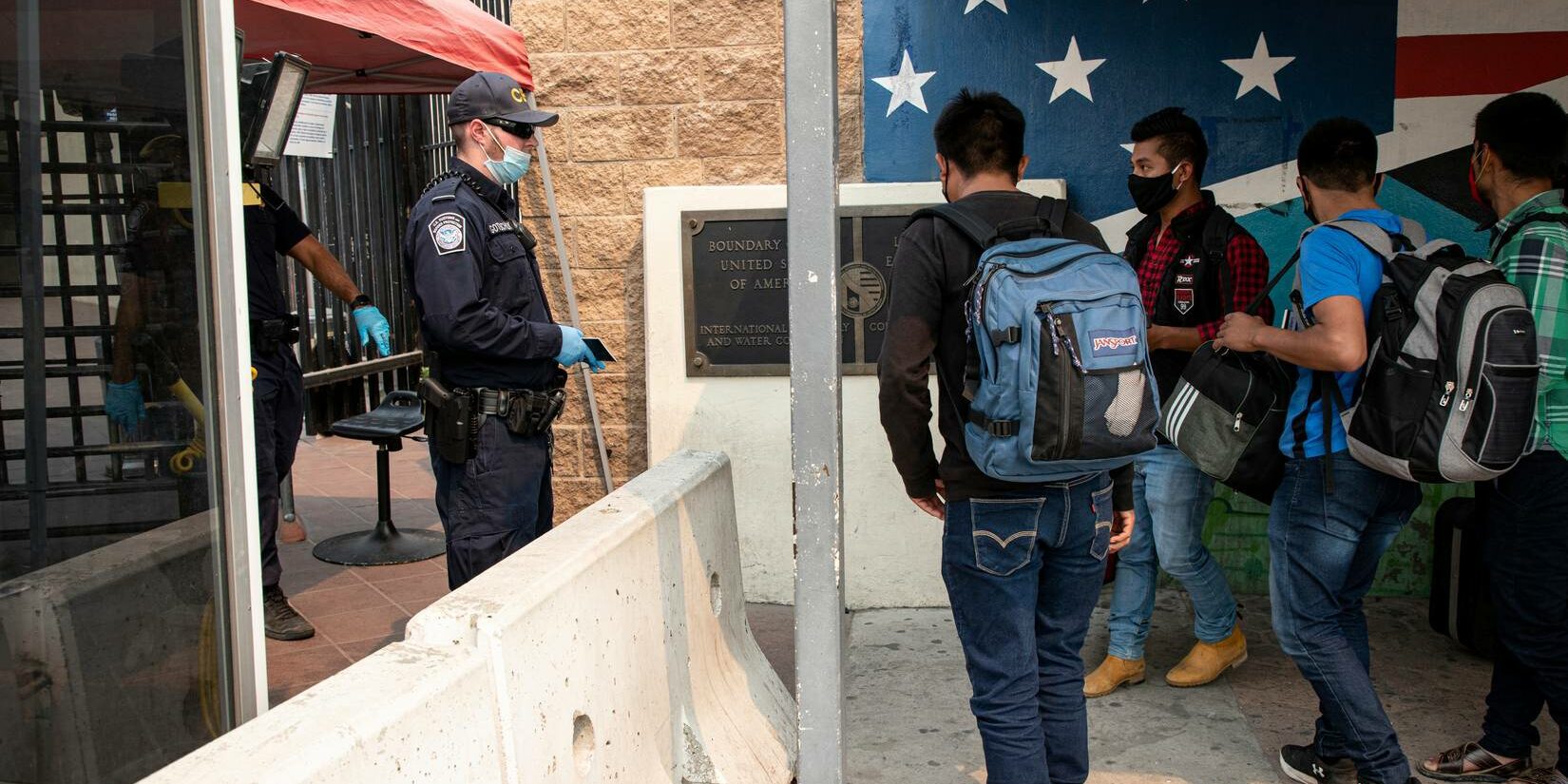
CBP states that border officers may conduct searches of phones, laptops, and other electronic devices as a standard part of border security procedures.
According to the CBP website: “All travelers crossing the United States border are subject to CBP inspection. On rare occasions, CBP officers may search a traveler’s mobile phone, computer, camera, or other electronic devices during the inspection process. These searches have been used to identify and combat terrorist activity, drug smuggling, human smuggling, bulk cash smuggling, human trafficking, intellectual property rights violations and visa fraud, among other violations. They enable the discovery of digital contraband, such as child pornography, illicit transfer of restricted or classified information, or other export-controlled information. Furthermore, border searches of electronic devices are often integral to determining an individual’s intentions upon entry to the United States and thus provide additional information relevant to admissibility of foreign nationals under U.S. immigration laws.”
At the same time, civil liberties organizations note that travelers have certain legal protections depending on whether they are citizens, visa holders, or temporary visitors.
Experts Say Visitors To The U.S. Should Be Prepared, Not Paranoid
For most travelers, experts advise visitors not to expect confrontation, but rather to arrive prepared. Carrying documentation that clearly explains the purpose of a trip and understanding what officers can and can’t request can help ensure the entry process remains routine rather than stressful. Similarly, Americans are urged to carry papers and relevant documentation when visiting Europe and other countries.
According to guidance from CBP, officers are authorized to verify a traveler’s identity, confirm the purpose of their trip, and review supporting documents such as return tickets, hotel reservations, or event confirmations. Visitors entering under programs like ESTA or short-term visas may also be asked how long they plan to stay and whether they have enough money for the duration of their visit.
Guidance from the American Civil Liberties Union of Northern California notes that travelers’ rights also vary depending on their status. U.S. citizens generally cannot be denied entry, though they may still face questioning or device inspections. Lawful permanent residents typically have strong protections, but they can face additional screening under certain circumstances.
Foreign visitors, however, can be refused entry if officers determine their documentation or travel purpose does not meet admission requirements. Generally speaking, CBP officers have significant discretion to allow or deny entry to a non-citizen or non-resident.
Readers can download this Traveler’s Bill of Rights for more detailed explanations of their rights based on immigration status.
Travelers should also be aware that CBP officers can also inspect their luggage. While these aspects of the border screening process have long been legal, civil rights attorneys emphasize that visitors still retain certain protections once they are physically inside the U.S. So, being stopped or questioned by authorities once inside the country is an entirely different scenario.