This post was originally published on here
The 2000s were an interesting era for film. In many ways, the decade was a shift towards pessimism that in many ways mirrored the creatively fertile ’70s. Disillusionment with Vietnam and Watergate was replaced by 9/11 and Halliburton. Social upheaval and the widening spread of the internet gave birth to some dark and profound cinema.
There were also a bunch of remakes, sequels, prequels and cheap, trashy entertainment, because Hollywood’s always gonna Hollywood. When it comes down to it, the crap usually washes away with time, and what’s left are the masterpieces that are usually remembered by audiences. These are the ten masterpieces from the 2000s that are likely to never be washed away and will stand the test of time.
‘The Lord of the Rings: The Fellowship of the Ring’ (2001)
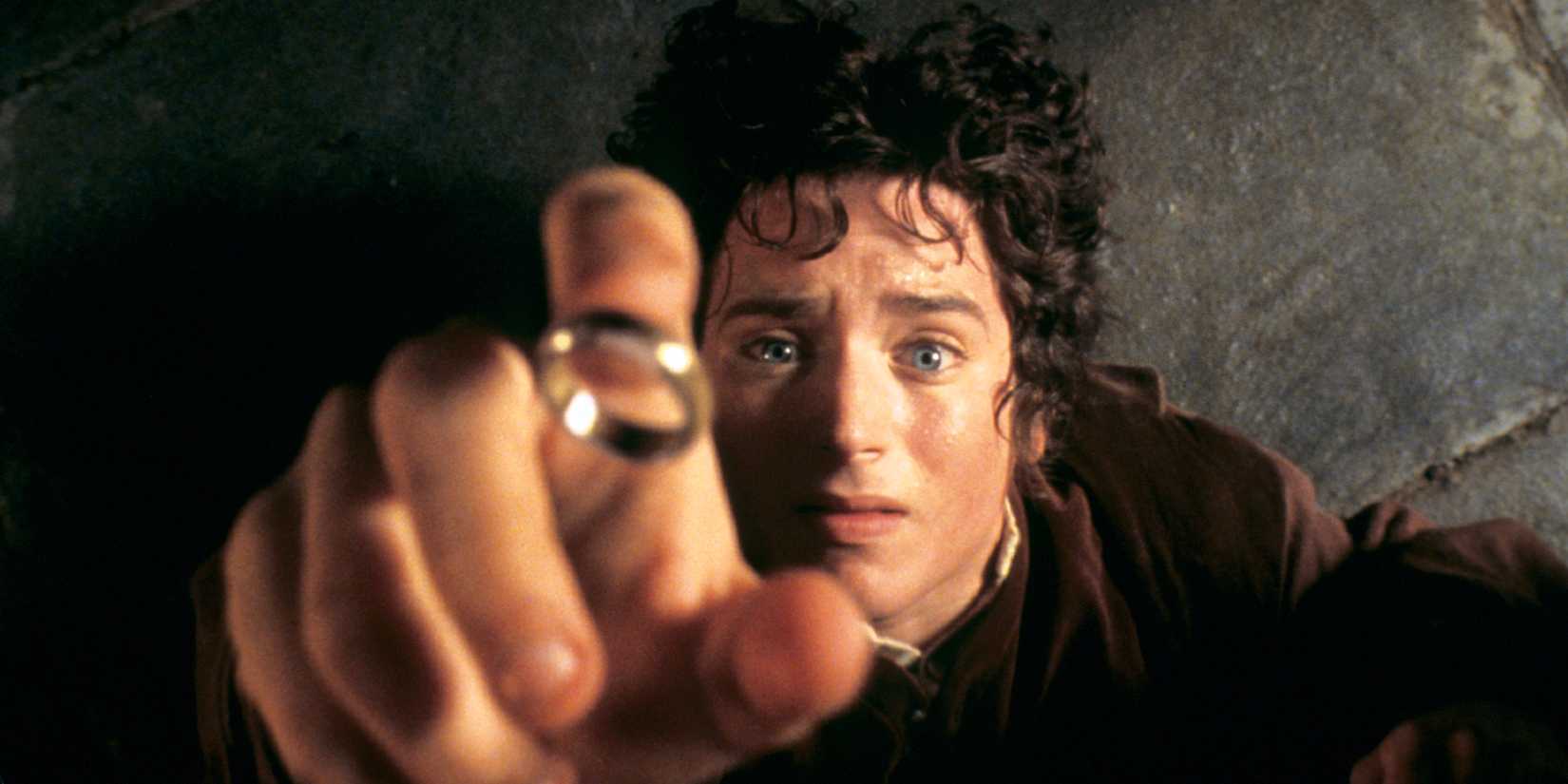
When it comes to the major popcorn blockbusters of the 2000s, more than a few qualify as beloved masterpieces. Casino Royale, The Dark Knight, and Harry Potter all stand out, but if there’s one franchise that seems likely to remain definitive, it’s The Lord of the Rings. The three films, directed by Peter Jackson and based on the seminal novels by J.R.R Tolkien, were both massive box office hits and critically acclaimed, setting a new high bar for fantasy filmmaking that really hasn’t been touched since, even by those who helped set it.
The first film in the franchise, The Fellowship of the Ring, is still the best. While both sequels would become more expansive and feature more epic battle sequences, they also serve as harbingers of the CGI bloat that would plague The Hobbit prequels. The Fellowship of the Ring feels effortless by comparison, deftly weaving the lore of Middle-earth with the introduction of a dozen characters and the central plot concerning Frodo Baggins and his quest to destroy the One Ring. The film features plenty of groundbreaking CGI, but also a bevy of practical sets, makeup effects, and clever camera trickery to bring its fantasy world and its inhabitants to life. It’s the best blockbuster of the 2000s.
‘Spirited Away’ (2001)
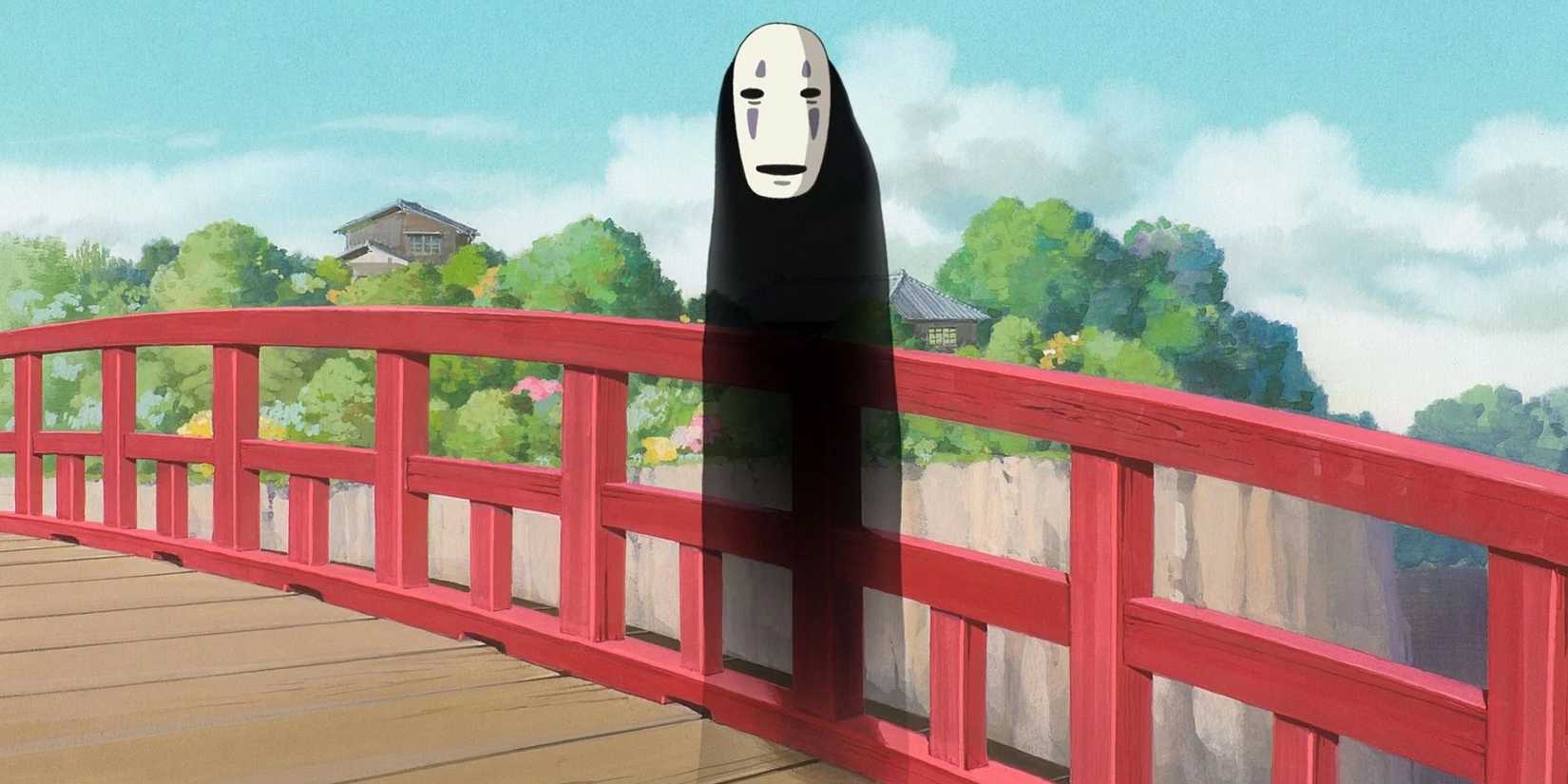
Image via Studio Ghibli
Director Hayao Miyazaki has at least one legitimate masterpiece in every decade since he entered the industry. The ’70s had Lupin III: The Castle of Cagliostro, the ’80s My Neighbor Totoro, and the ’90s Princess Mononoke. Then the 2000s came along, and Miyazaki made the masterpiece that will likely be mentioned in the first line of his obituary. Spirited Away is often regarded as the greatest animated film of the 2000s, and one of the greatest of all time, and that status has only crystallized in the decades since.
The film follows an Alice in Wonderland-like structure, as young Chihiro (Rumi Hiiragi/Daveigh Chase) finds herself pulled into a supernatural resort town after her parents are transformed into pigs. Symbolism and absurdity abound as Chihiro tries to find a way to transform her parents and leave the town. There’s an incredible amount of artistry and creativity on display in Spirited Away, the kind that made it stand out in stark contrast to what the major American animation studios were putting out in the 2000s. Even today, after Miyazaki’s influence has well infiltrated Western cinema, there’s nothing quite like this masterpiece.
‘Mulholland Drive’ (2001)
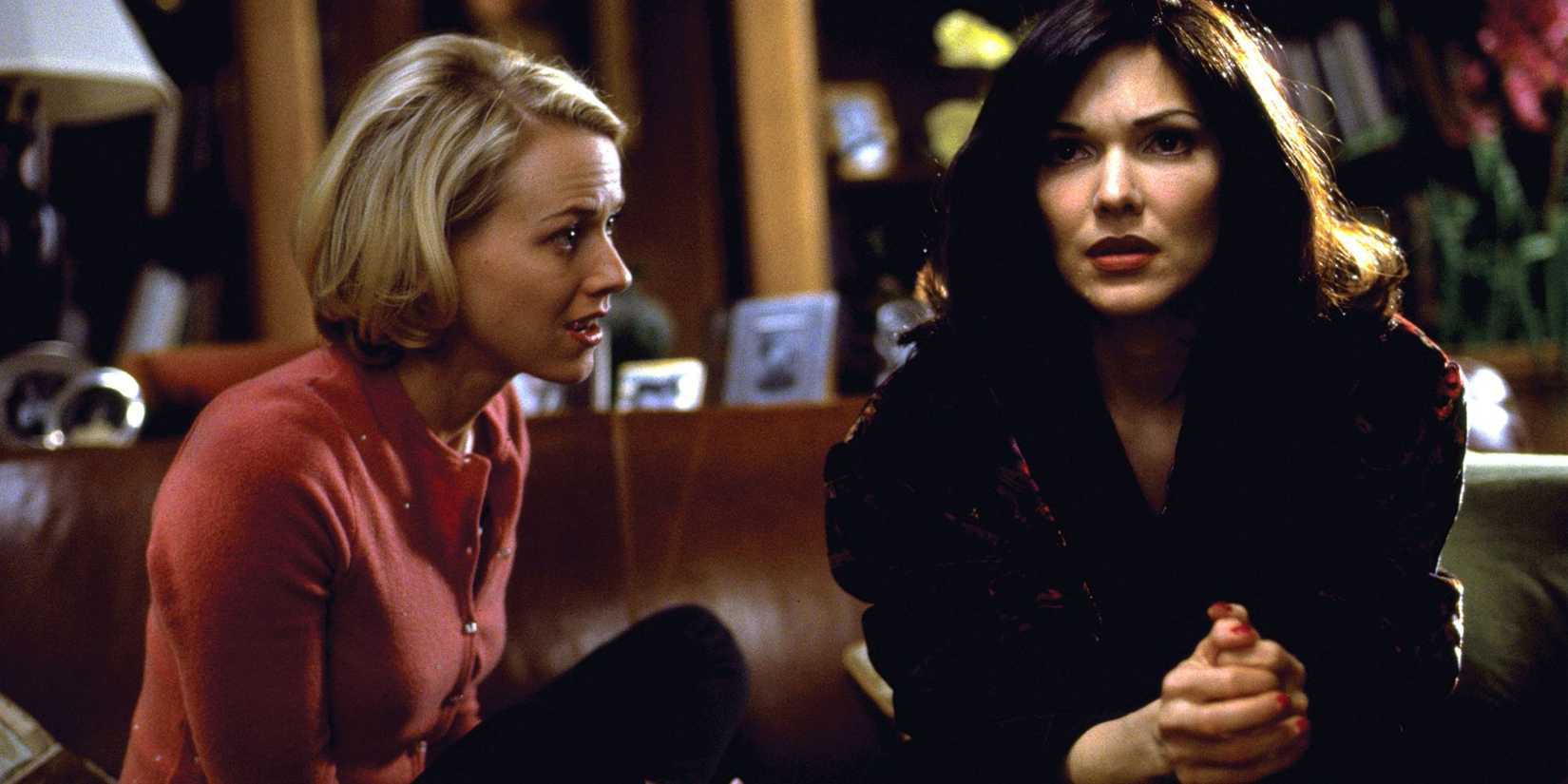
David Lynch wouldn’t direct another feature film after the 2000s, though he continued to work on various short films and television series. Television is where his penultimate masterpiece, Mulholland Drive, was originally supposed to live. Shot as the pilot for a potential series, it wasn’t picked up by ABC, and Lynch would expand it into a feature film. That disjointed production, along with Lynch’s already surreal style of storytelling, makes Mulholland Drive a nightmarish neo-noir that operates on its own wavelength of logic. In essence, it’s a Hollywood fairy tale, though it’s more Grimms’ than Disney, with multiple characters drifting through the city of dreams, most of which turn out to be nightmares.
The central focus is on Betty (Naomi Watts), an aspiring actress, and Rita, the mysterious woman she befriends. Questions of reality and identity come up a lot in the latter half, and the film’s dream-like quality makes it difficult to get a grip on its narrative. Lynch remained characteristically cryptic towards interpretations of the film, but provided clues for those who wanted to understand it. The real joy comes in trying to investigate the film on its own terms and piecing together the fragments of it like trying to remember a dream after waking up.
‘Memories of Murder’ (2003)
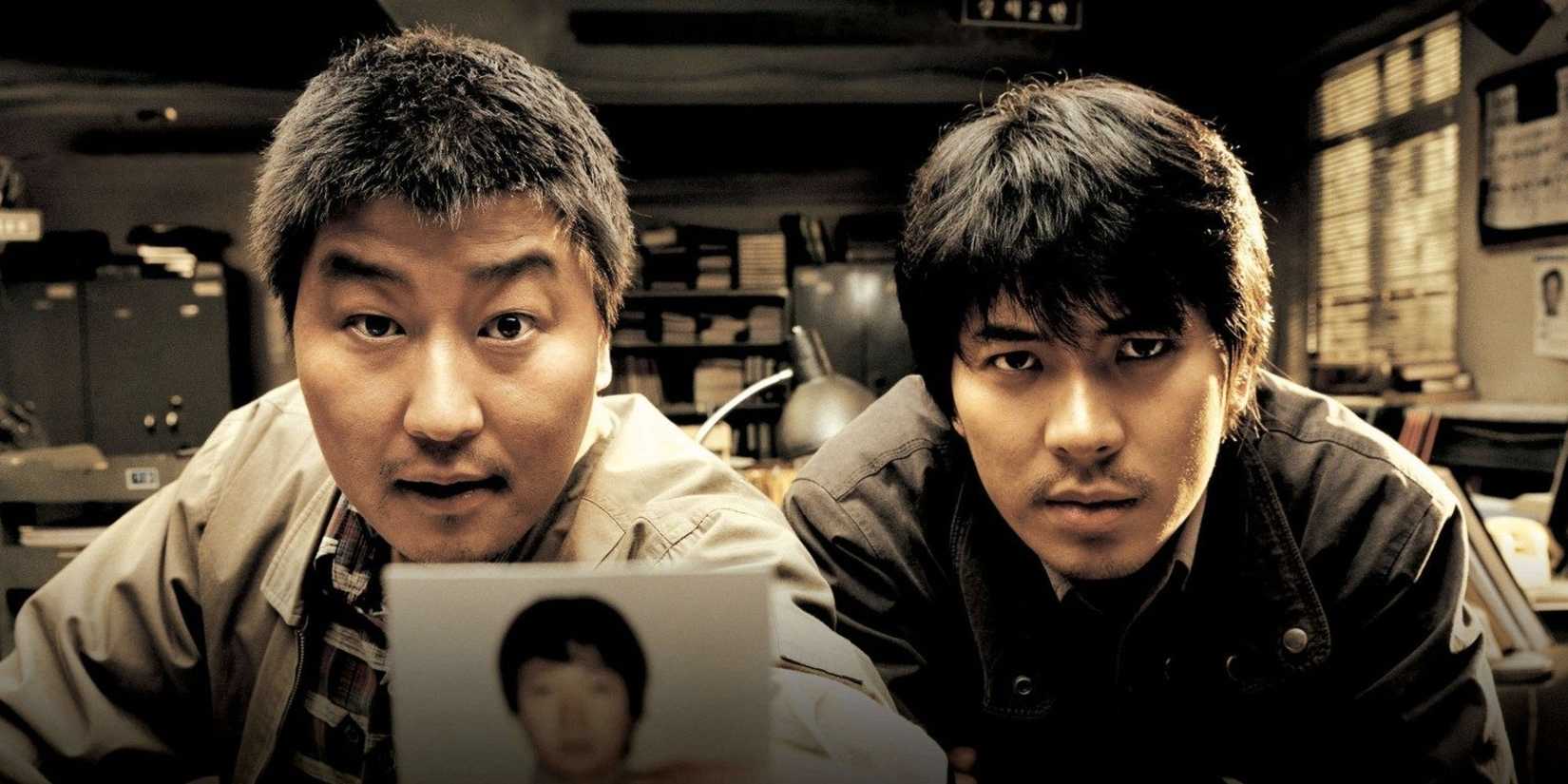
It’s a failing of most movie lists online compiled by Western writers that they are sincerely lacking in non-American films. Call it getting lost in translation or narrow-mindedness, but there’s no reason every entry on this list couldn’t be a masterpiece from the likes of directors such as Miyazaki, Michael Haneke, Wong Kar-wai, or Park Chan-wook. If there’s one filmmaker and film that cannot go without a mention, it’s Bong Joon-Ho and Memories of Murder.
Based on a play that was inspired by a real serial killer who had yet to be caught at the time of the film’s production, Memories of Murder is more about the frustrations and obsessions of its investigation, and how they haunt the investigators. Park Doo-man (Song Kang-Ho) and Seo Tae-yoon (Kim Sang-kyung) are mismatched detectives investigating a series of sexual assaults and murders. South Korea in the ’80s is presented as an obstacle in and of itself to the detectives, and their bungled investigation borders on the comically absurd. Memories of Murder is a masterclass in tone management, veering from absurdity to sincerity.
‘Eternal Sunshine of the Spotless Mind’ (2004)
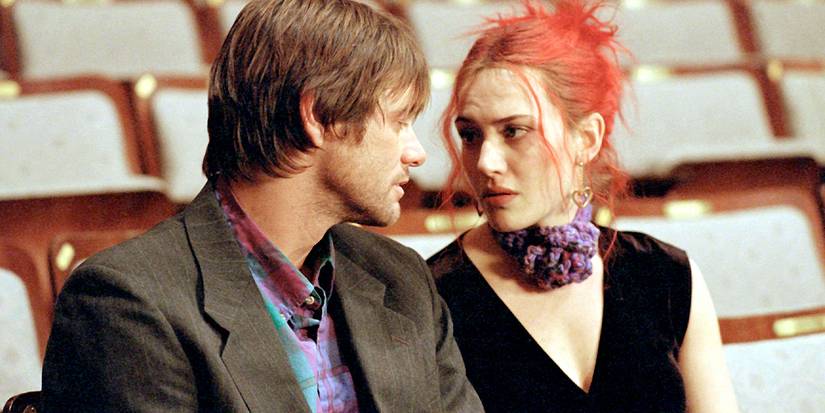
Image via Focus Features
Director Michel Gondry and writer Charlie Kaufman have both trafficked in surreality and dream logic, but their greatest collaboration actually applies a logical framework for their flight of fancy. Eternal Sunshine of the Spotless Mind presents a world where a person can be wiped from another’s memory, which seems a godsend for brokenhearted cynics, but in practice proves more difficult for the film’s protagonist. Using the mindscape of memories as its setting, the film explores the nature of love and human connection in an unconventional but visually arresting manner.
The love story of Joel (Jim Carrey) and Clementine (Kate Winslet) is already over when the film begins, with Clementine having undergone the procedure to remove her memories of Joel. He then decides to likewise remove Clementine, but has second thoughts as he begins to re-experience fonder memories of her. Kaufman’s script paired with Gondry’s visuals make for a beautiful marriage of cerebral and sentimental. The unconventional nature of the narrative actually enhances the emotional impact of the film, resulting in a magical movie masterpiece of science fiction romance.
‘The Prestige’ (2006)
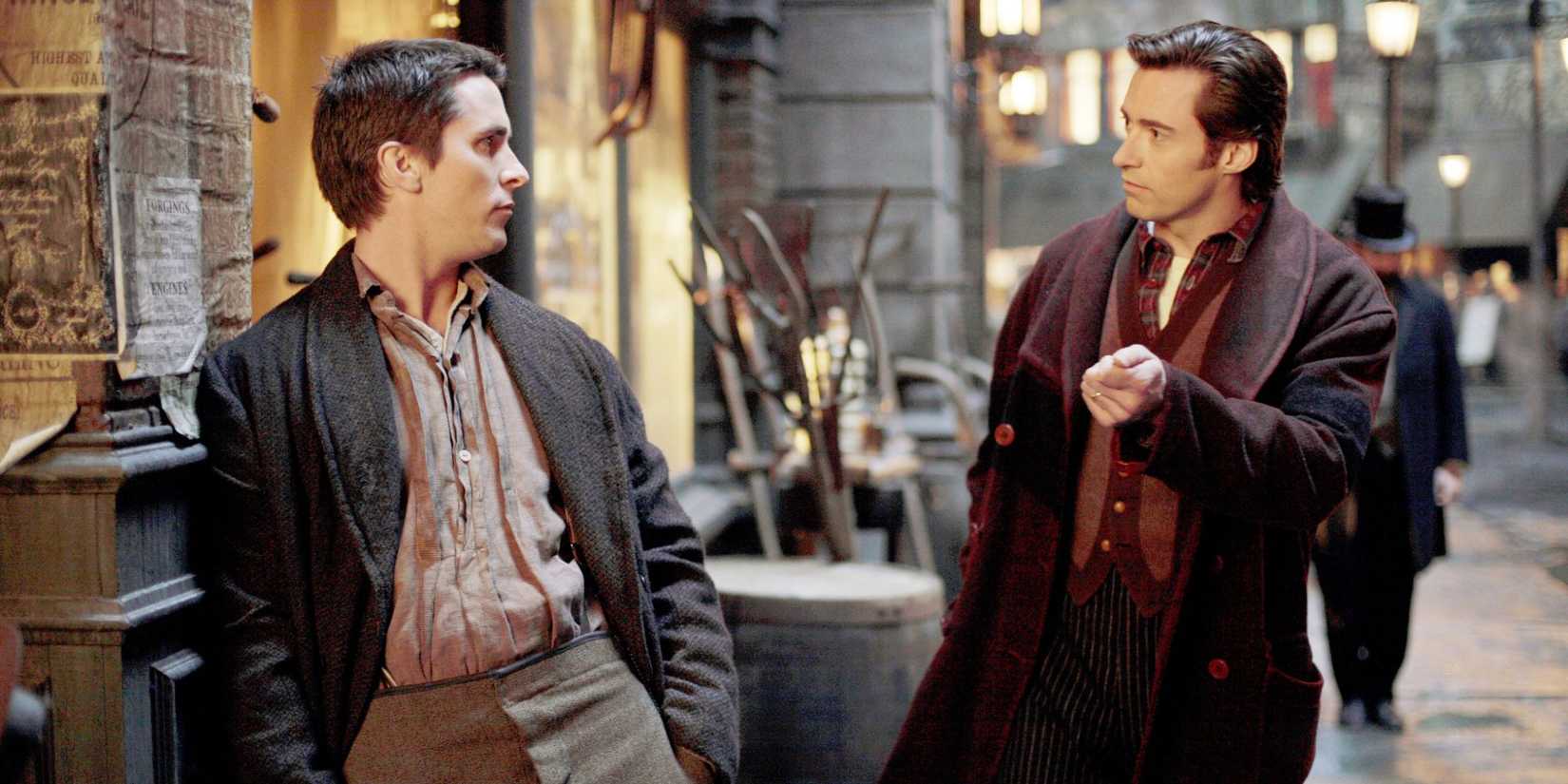
Magic and science fiction collide in Christopher Nolan’s best film of the 2000s, an adaptation of Christopher Priest’s novel The Prestige. The narrative of dueling magicians in Victorian London benefits from the puzzle box narrative tricks that Nolan is known to pull. The film is a magic trick, and Nolan is the illusionist who excels at misdirection and revels in a good reveal. The Prestige is perfectly directed and cast, using the screen personas of its two stars to shape the audience’s understanding while leading them down its winding plot.
Alfred Borden (Christian Bale) is a technically precise magician, contrasting with the stage presence of his professional rival Robert Angier (Hugh Jackman). The men’s rivalry, which escalates to murderous extremes, could represent the opposing sides of Nolan as a filmmaker: one a technical craftsman, the other an unabashed entertainer. The Prestige is Nolan’s last non-epic effort, but it proves that the director’s skills extend beyond mere spectacle and technique. It’s a masterpiece that’s just as emotionally engaging as it is psychologically compelling.
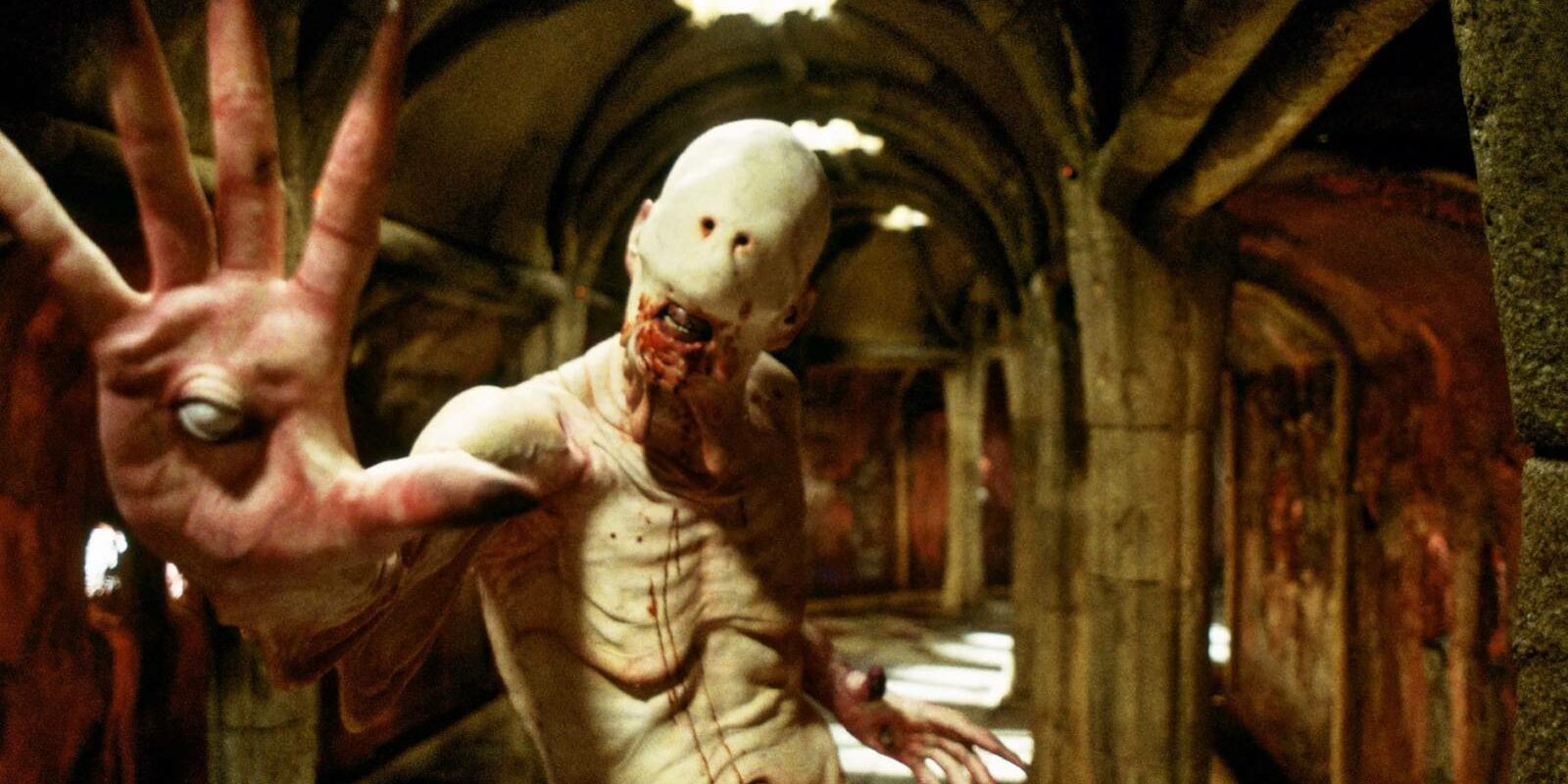
‘Pan’s Labyrinth’ (2006)
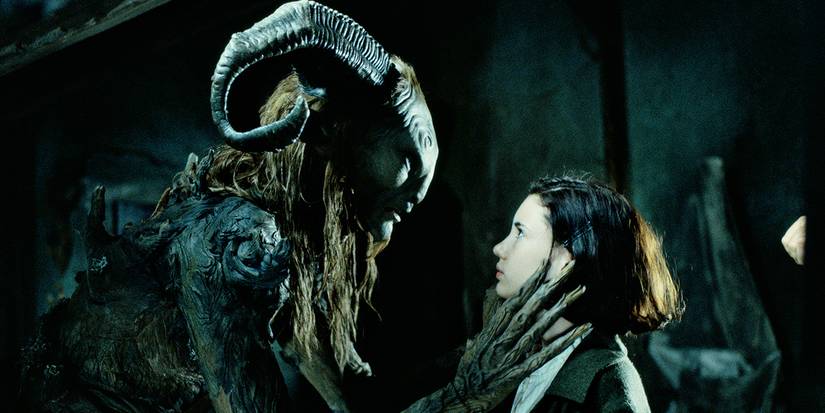
Similar to Nolan, Guillermo del Toro has a distinct style that’s instantly recognizable. Whether it’s applied to comic book pulp like Hellboy or a more personal horror story like The Devil’s Backbone, the filmmaker’s fingerprints are always apparent. Nowhere are they more apparent than in his dark fairytale Pan’s Labyrinth, which combines monsters of mythology and history in a twisted coming-of-age fable. Filled with incredible imagery accomplished through a combination of digital and practical effects, it’s a modern magical masterpiece for adults from one of the best film fantasists working today.
Ofelia (Ivana Baquero) is a ten-year-old girl who has been transplanted into the Spanish countryside to live with her violent stepfather, an officer under the Franco regime. While violent oppression occurs under his watch, Ofelia discovers a supernatural world which she is led through by a mysterious Faun (Doug Jones) who believes her to be the reincarnation of their princess. Reality and fantasy twist and tangle together in Pan’s Labyrinth, and it brings the grand tradition of dark allegory in fairy tales into the 21st century.
‘There Will Be Blood’ (2007)
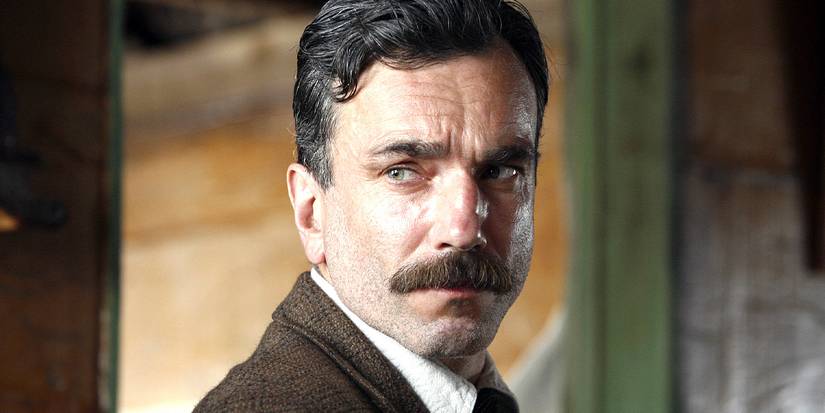
2007 was a banner year for cinema, with multiple masterpieces released that remain unadulterated. It’s hard to argue against any of the many films of that year as enduring masterpieces, but less so when they’re put up against a film like There Will Be Blood. Paul Thomas Anderson’s American epic of greed and ambition is the startling work of one of the most assured filmmakers to come out of the ’90s indie movement, anchored by a tour-de-force performance by Daniel Day-Lewis.
The story of Daniel Plainview (Day-Lewis), a prospector turned oil baron, is quintessentially American. It’s a story of success by any means necessary, set at the crossroads of the 19th and 20th centuries. Through Plainview’s conflict with the manipulative preacher Eli Sunday (Paul Dano), the film also captures the collision of unstoppable capitalism and immovable religion that has often been a cause for calamity in American history. There Will Be Blood is in a class of American masterpieces centered on figures of power that includes The Godfather and Citizen Kane.
‘No Country for Old Men’ (2007)
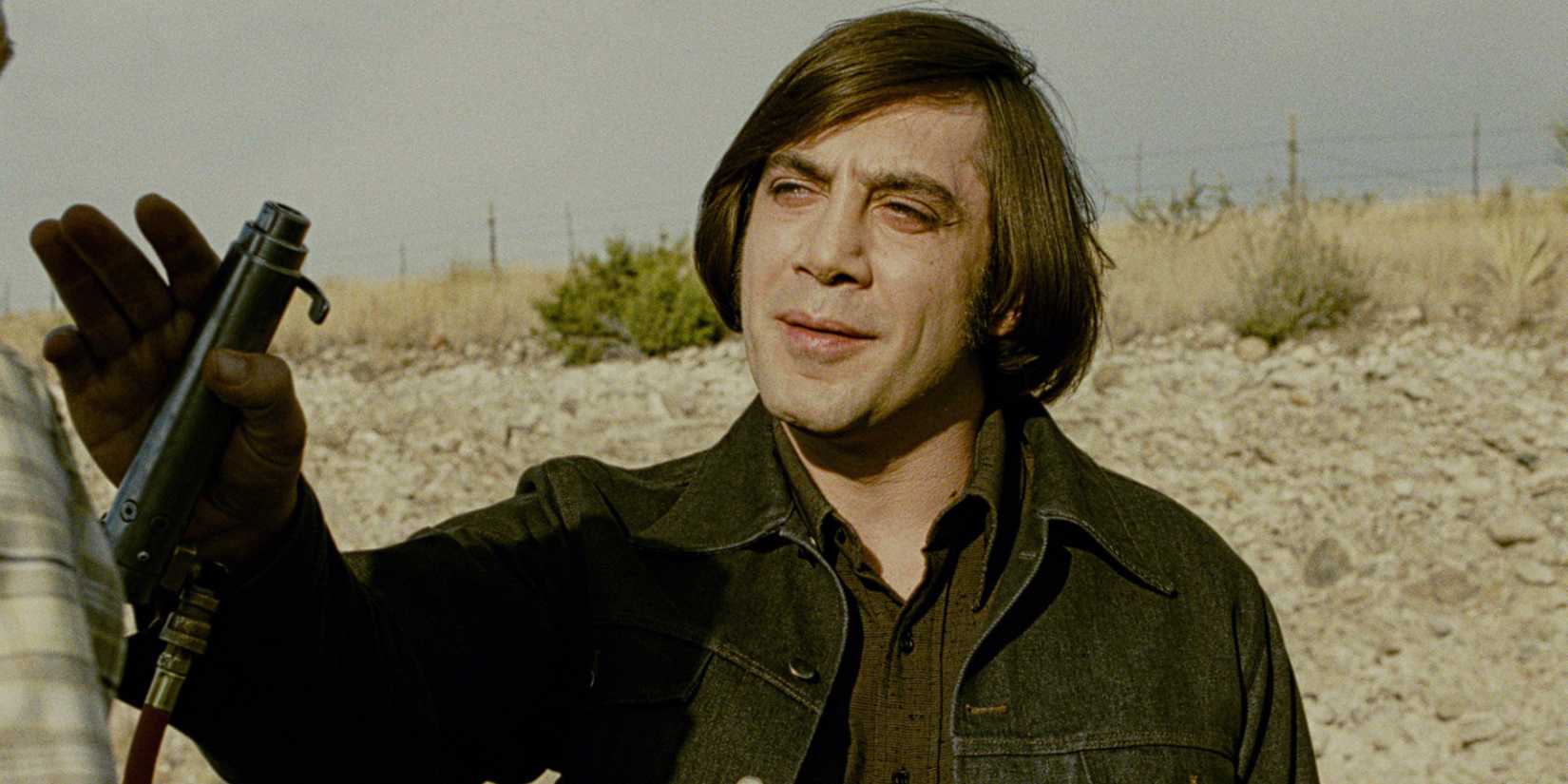
The film There Will Be Blood was pitted against for critical acclaim and awards dominance was also steeped in Western iconography and came from essential American filmmakers. No Country for Old Men was Joel and Ethan Coen‘s return to glory after their two previous films had received lackluster responses from critics and audiences. Adapted from the novel by Cormac McCarthy, the film is a perfect marriage of material and filmmakers, with the Coens’ darkly comic crime thriller sensibilities meshing perfectly with the southern fried plot of three men and a briefcase of cash.
The film is a fairly faithful adaptation of McCarthy’s novel, capturing the hubristic determination of Llewellyn Moss (Josh Brolin) after he finds $2 million in the desert from a drug deal gone. That determination is pitted against the violent force of nature that is hitman Anton Chigurh (Javier Bardem), while Sheriff Ed Tom Bell (Tommy Lee Jones) merely tries to make sense of all the violence that surrounds him. No Country for Old Men is a taut, tense, nihilistic thriller that doesn’t try to shave the edges off of its source material to make it more palatable for mainstream audiences. It’s a mean, lean masterpiece.
’Zodiac’ (2007)
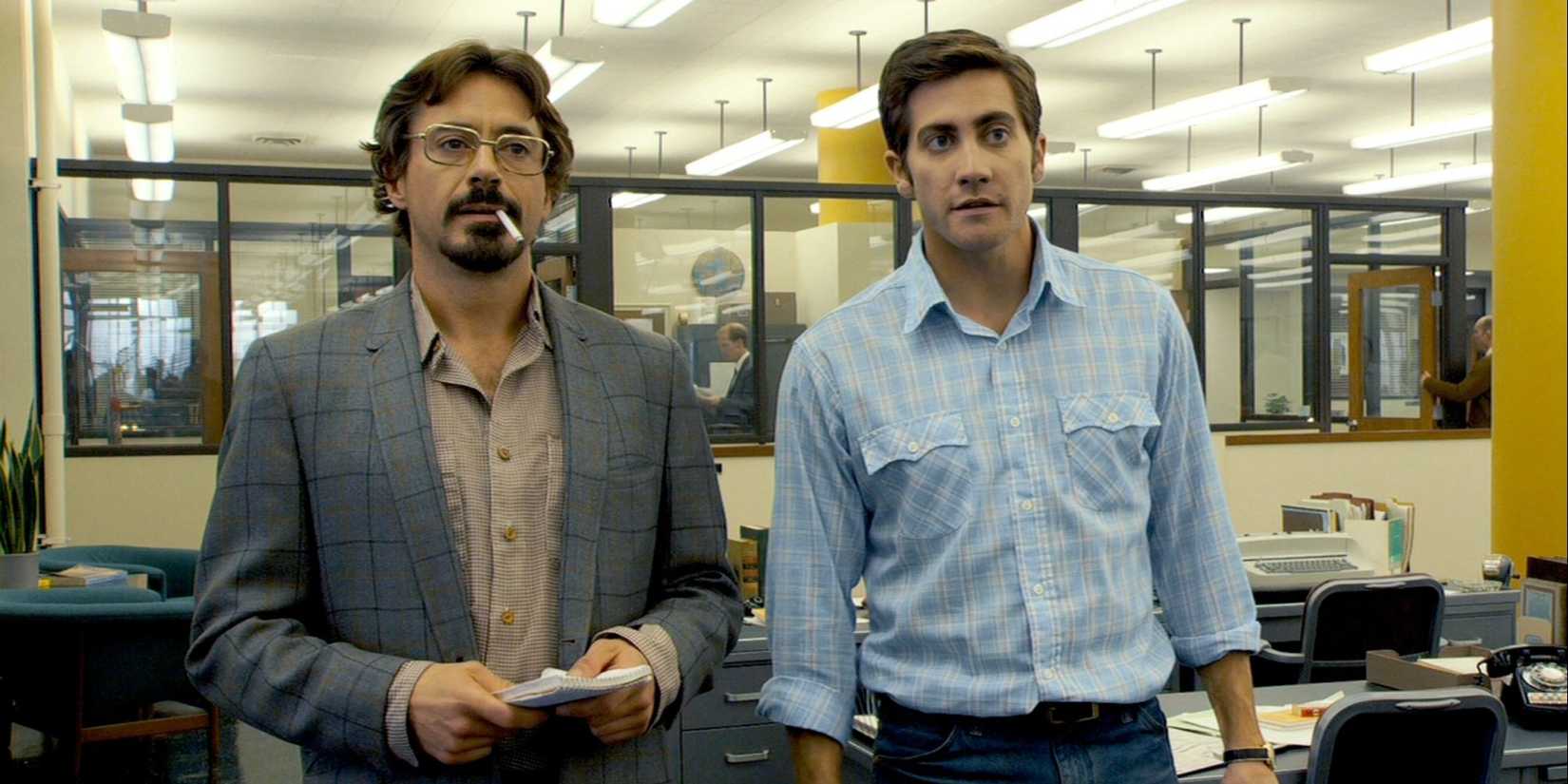
Zodiac is the third masterpiece of 2007, unjustly left out of the conversations that surrounded There Will Be Blood and No Country for Old Men. It’s a meticulously made true-crime serial-killer thriller from the filmmaker who helped popularize the genre in the first place. David Fincher shocked audiences with Se7en in the ’90s, which kicked off a slew of imitators. In 2007, Fincher took a fresh approach to the genre by pulling away from the pulp elements and digging deep into the exhaustive elements of investigation often left out of the genre’s most propulsive films.
Zodiac follows the real men who obsessed over the killings that haunted the San Francisco Bay Area in the ’60s and ’70s: Cartoonist Robert Graysmith (Jake Gyllenhaal), reporter Paul Avery (Robert Downey Jr.) and detective Dave Toschi (Mark Ruffalo). The film was based on the books written by Graysmith and features a heavy attention to even the most minor details, but never feels drawn out or dull. Fincher feels this story in his bones, having grown up just north of San Francisco during the time of the Zodiac killings. Like Seven, Zodiac precipitated a new wave of serial killer media focused on real murderers and the devil in the details.
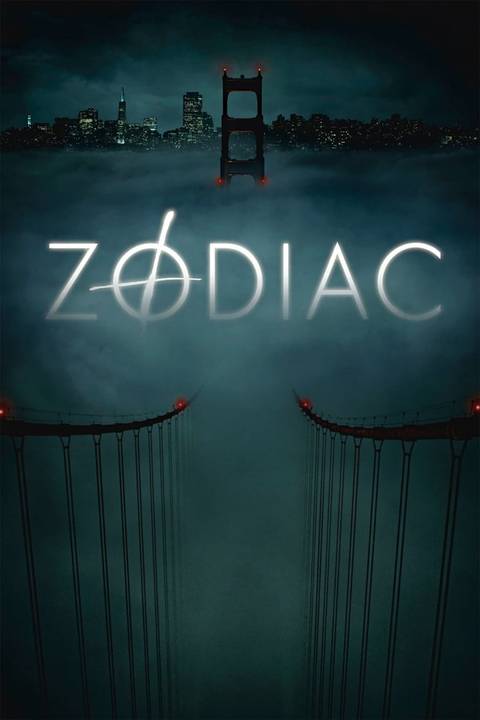
Zodiac
- Release Date
-
March 2, 2007
- Cast
-
Jake Gyllenhaal, Mark Ruffalo, Anthony Edwards, Robert Downey Jr., Chloë Sevigny, Elias Koteas, John Carroll Lynch, Brian Cox, Dermot Mulroney, Charles Fleischer, Zach Grenier, Philip Baker Hall, James Le Gros, Donal Logue, Richmond Arquette, Bob Stephenson, John Lacy, Ed Setrakian, John Getz, John Terry, Candy Clark, June Diane Raphael, Ciara Hughes, Lee Norris, Patrick Scott Lewis
- Runtime
-
157 minutes
- Writers
-
James Vanderbilt, Robert Graysmith