


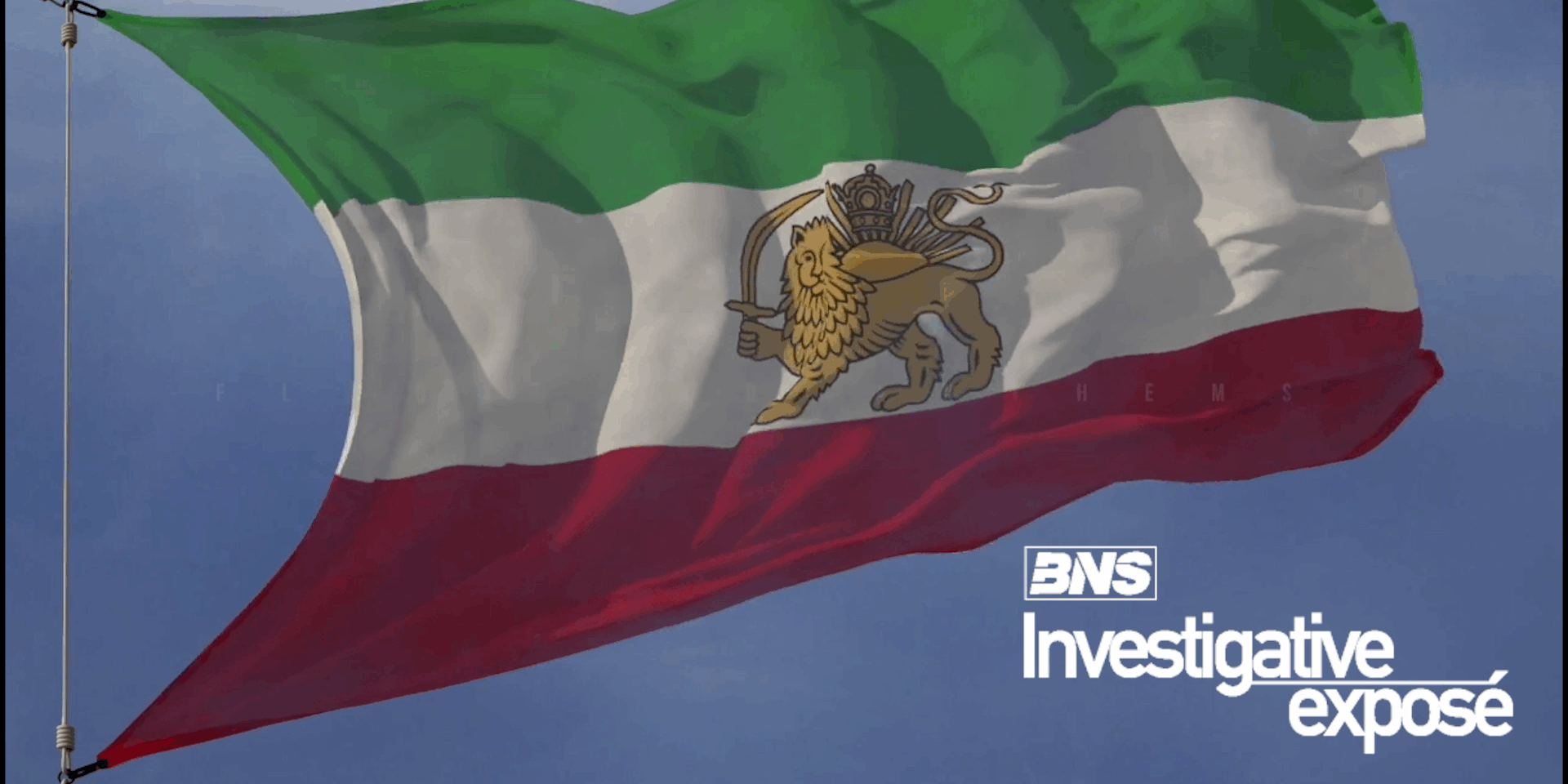
by DeWitt Hoopes
In 1979, the world watched as the Iranian Revolution upended one of the Middle East’s most strategic nations. The fall of Mohammad Reza Pahlavi and the rise of Ruhollah Khomeini reshaped global politics, destabilized a region, and redefined U.S. foreign policy for generations. Nearly five decades later, Iran stands at another historic moment. The question is simple but urgent: will the United States repeat the mistakes of 1979?
For months, Iranian citizens have filled the streets in defiance of a regime that has ruled since the Pahlavi dynasty was forced into exile in January 1979. These protests are not abstract geopolitical talking points. They are the visible, often painful expression of a population weary of repression, economic hardship, and harsh social restrictions, particularly against women. The world has seen the images. The chants have crossed borders. The pleas have reached American shores.
Yet history casts a long shadow.
The United States has rarely managed a clean relationship with Iran. In 1953, a joint MI6 and CIA operation removed Prime Minister Mohammad Mossadegh, setting in motion decades of suspicion toward Western intervention. Later, during the Carter administration, the U.S. distanced itself from the Shah at a critical moment. When President Jimmy Carter failed to stabilize the situation, the path cleared for Khomeini’s return from exile. The consequences have defined Middle Eastern geopolitics ever since.
Today, as unrest grows, the West again faces a decision. Does it genuinely support the will of the Iranian people, or does it default to what policymakers often call strategic interests?
That phrase has a familiar ring. Strategic interests shaped outcomes in Iraq and Afghanistan. Strategic interests influenced decades of regional alliances. But strategic interests do not always align with popular will.
Some voices inside Iran have raised the possibility of restoring a constitutional monarchy under Reza Pahlavi. While the depth of support remains debated, the very discussion signals a hunger for alternatives. A modern constitutional monarchy, similar to Scandinavian systems, paired with a democratically elected parliament, is not outside the realm of global precedent. Whether that path reflects majority opinion is a matter for Iranians themselves to determine.
The larger issue is whether outside powers will allow that determination to unfold organically.
Regional dynamics complicate matters. Neighboring states may view a citizen-driven overthrow of a theocratic government with suspicion. Western institutions may fear instability or loss of leverage. Bureaucracies often prioritize control over uncertainty. Yet history offers cautionary tales. In 1918, President Woodrow Wilson pressed Germany to abandon monarchy as a condition for armistice. The long-term consequences of imposed structural change without stable foundations remain subjects of historical debate.
Iran’s future should not be dictated by foreign agendas, nor reduced to another proxy struggle. If the Iranian people desire reform, systemic change, or even restoration of a constitutional monarchy, that choice must be theirs alone. External support should mean safeguarding space for self-determination, not scripting outcomes behind closed doors.
For additional context, readers may reference the analysis titled “Pakistan and the Shah of Iran Is the U.S. about to repeat the blunder it made in 1979?” along with historical materials such as the 1975 AT&T Trip to Iran documentation and related cultural resources.
Iran is not merely a geopolitical chess piece. It is a nation of people with history, identity, and agency. The coming months will test not only Tehran’s leadership but also Washington’s judgment.
If history teaches anything, it is this: interference without humility breeds long memories. Genuine support requires restraint, clarity, and respect for sovereignty.
The world is watching. This time, it would be wise to listen first.
References:
Pakistan and the Shah of Iran
Is the U.S. about to repeat the blunder it made in 1979?
Iranian Imperial Anthem – Sorude Šâhanšâhiye Irân سرود شاهنشاهی ایران
AT&T Trip to Iran – February 23, 1975 to March 1, 1975 (includes detailed maps, charts, and diagrams)


