This post was originally published on here
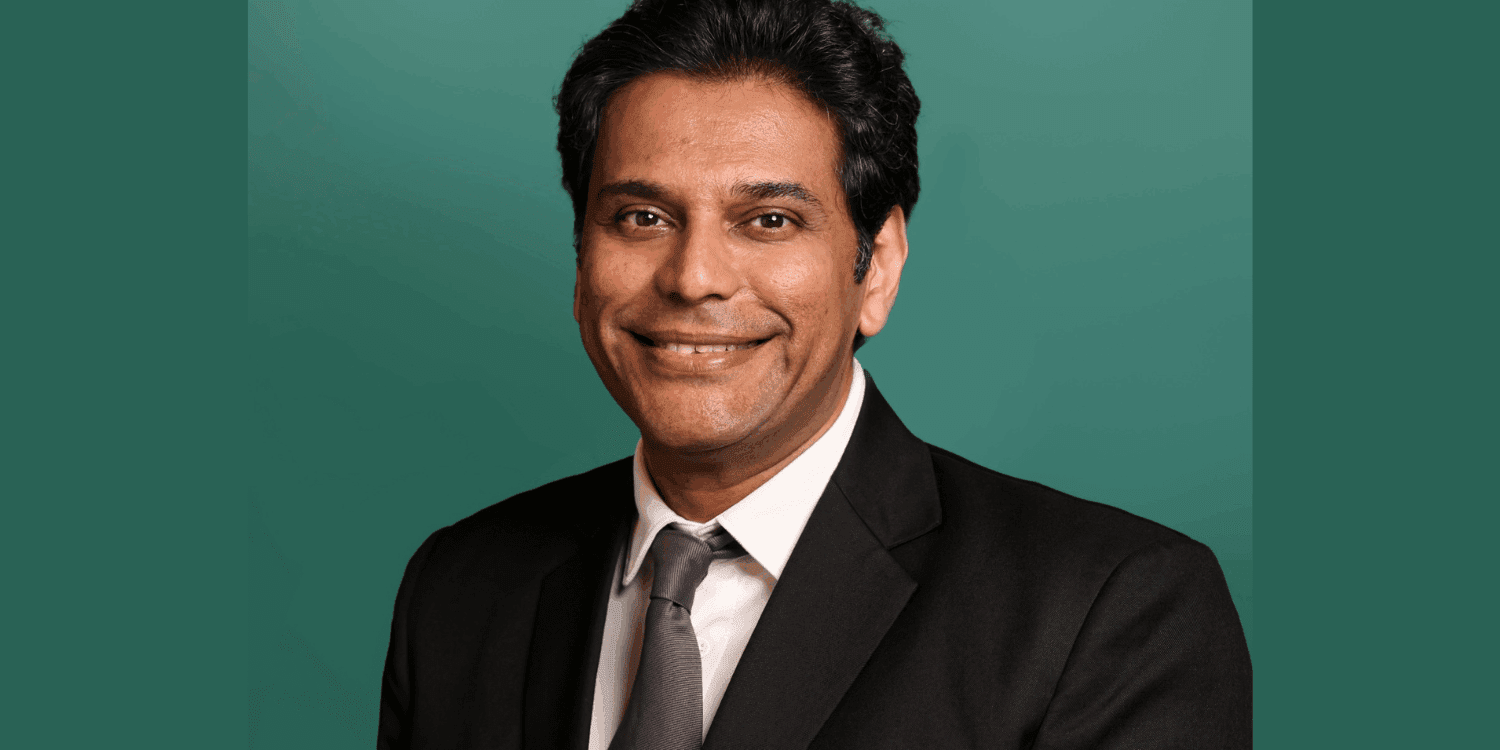
As long-haul travel demand from India surges, Abhijit Abhyankar, Cathay’s Regional Head of Customer Travel & Lifestyle for South Asia, Middle East, and Africa. outlines how Cathay Pacific is strengthening its Asia–North America strategy. From Hyderabad’s rising global relevance to Hong Kong’s hub advantage, he shares what’s driving the airline’s next phase of growth.
Excerpts
India has been identified as a key source market for Asia–North America travel. How significant is the Hyderabad market within this larger India strategy?
India is a strategically important source market for Asia–North America travel, driven by sustained long‑haul demand across corporate, student, and VFR segments. Our commitment to India spans nearly 70 years, beginning with our first Hong Kong–Kolkata service in 1953, followed by Mumbai in 1982, underscoring the market’s long‑term relevance to our global network.
Today, our India footprint comprises 45 weekly passenger return flights across five key metros—Delhi, Mumbai, Bengaluru, Chennai, and Hyderabad. These cities collectively represent India’s strongest outbound long‑haul demand pools, with a high concentration of professionals, multinational corporates, students, and families with established ties to North America.
Within this national strategy, Hyderabad has emerged as a structurally important market. The city’s strong technology, life sciences, and global capability centre ecosystem continues to drive consistent premium, corporate, and student traffic, particularly towards North America. Hyderabad also delivers a balanced mix of point‑to‑point and connecting demand.
Through our home hub in Hong Kong, we offer Hyderabad customers efficient, one‑stop connectivity to major North American gateways, supported by schedule integrity, hub connectivity, and award‑winning service standards. This positions Hyderabad not only as a feeder market, but as a meaningful contributor to India’s overall long‑haul performance within our Asia–North America strategy.
What differentiates Cathay’s one-stop model via Hong Kong from other transit options available to Indian travellers?
Cathay Pacific’s one‑stop model via Hong Kong is differentiated by geographic advantage, hub scale, and network depth, particularly for Indian travellers travelling long‑haul.
Hong Kong International Airport’s (HKIA) central location in Asia enables efficient east‑west connectivity between India, North America, and the wider Asia‑Pacific, supporting competitive journey times and seamless one‑stop connections. Designed as a global transfer hub, HKIA offers convenient connection times, strong schedule integrity, and consistent on‑time performance, making it well suited for long‑haul transit.
From Hong Kong, Indian travellers benefit from access to a true mega‑hub, with onward connectivity not only to North America but also to The Chinese Mainland,other cities of the Greater Bay Area, Japan, Korea, and Southeast Asia, all through a single hub and carrier ecosystem.
Cathay Pacific continues to strengthen this proposition through sustained North America expansion. The launch of Dallas–Fort Worth in April last year scaled to daily service from26 October 2025, and Seattlewill commence from 30 March 2026, becoming our ninth passenger destination in North America. For summer 2026, Cathay Pacific will operate over 110 weekly return flights to key North American gateways, including Boston, Chicago, Los Angeles, New York, San Francisco, Toronto, Vancouver, Dallas–Fort Worth, and Seattle.
This scale provides Indian travellers with multiple daily connection options from Hong Kong, greater schedule flexibility, , all delivered through a premium service experience anchored by Cathay’s award‑winning hospitality.
Hyderabad is one of India’s fastest-growing tech hubs. How does Cathay Pacific plan to tap into the city’s expanding global business and student travel base?
Hyderabad is one of India’s fastest‑growing technology and business hubs and generates structurally strong outbound demand across corporate, student, and VFR segments. As a major IT and global capability centre, the city produces steady long‑haul corporate traffic, particularly to the United States of America, Canada, and Australia, supported by multinational presence and frequent business travel.
Hyderabad also has a large and well‑established diaspora in North America and Australia, resulting in consistent VFR demand, complemented by growing outbound leisure travel to destinations such as Japan, Korea, Southeast Asia, and Australia as disposable incomes rise. Since 2019, premium travel demand from the city has strengthened further, with affluent travellers and multi‑generational families increasingly opting for long‑haul and premium leisure travel.
In addition, Hyderabad is one of India’s key student markets, contributing significantly to outbound student flows to North America, Australia, and the Philippines. Cathay Pacific is well positioned to serve this segment through seamless one‑stop connectivity via Hong Kong, supported by strong one world partner coverage and schedule flexibility.
By strengthening sixth‑freedom connectivity through our home hub, Hong Kong, we aim to capture Hyderabad’s expanding global business, student, and VFR travel base, offering customers greater choice, smoother connections, and access to a wide global networkacross North America and the Asia‑Pacific.
Ultra-long-haul travel can be demanding. How is Cathay elevating the experience across Business, Premium Economy, and Economy for Indian flyers?
Ultra long‑haul travel demands a consistently high standard of comfort and service, and elevating the customer experience across all cabins remains a core focus for Cathay Pacific. This commitment is reflected in our global recognition, including being ranked among the world’s top three airlines at the 2025 Skytrax World Airline Awards, alongside being named World’s Best Economy Class Airline for the second consecutive yearandWorld’s Best Inflight Entertainment for the second time in three years.
Through our investment of well over HK$100 billion into our fleet, cabin products, lounges and digital innovation, we continue to invest heavily in product renewal. Our latestAria Suiteon the retrofitted Boeing 777‑300ER redefines Business Class with enhanced privacy, comfort, and design. At the end of this year, we will introduce a new lie‑flat Business Class seat onour A330 fleet, and a next‑generation First Class product on the 777‑9 when the first new aircraft is delivered, underscoring our long‑term commitment to premium travel innovation.
Connectivity and comfort are further enhanced with complimentary Wi‑Fi in First andBusiness Class, as well as for Cathay Diamond and Gold members, and Cathay members travelling in Premium Economy, ensuring travellers remain connected throughout ultra‑long‑haul journeys.
Dining is another key pillar of the onboard experience. Through partnerships with Michelin‑starred Hong Kong restaurants—including Louise and Duddell’s in First and Business, and Yat Tung Heen in Premium Economy and Economy—alongside authentic concepts such as Veda, Cathay brings Hong Kong’s culinary heritage to every cabin.
Together, these investments ensure that Indian travellers across Business, Premium Economy, and Economy cabins enjoy a refined, comfortable, and consistently premium experience, even on the longest journeys.
Are you seeing a shift in preferences among Indian travellers when it comes to premium cabins on long-haul routes?
Yes, we are seeing a clear and sustained shift among Indian travellers towards premium cabins on long‑haul routes. Today’s Indian passenger is a more conscious and discerning traveller, increasingly willing to make an informed choice and invest in the level of comfort, privacy, and experience they believe they deserve—especially on ultra‑long‑haul journeys.
This shift is evident in the healthy and consistent increase in demand for both Business Class and Premium Economy from India, with premium cabins now forming a materially larger share of overall long‑haul bookings than in previous years. Rising affluence, greater global exposure, and a stronger focus on wellbeing and personal space are driving travellers to prioritise comfort.
Since 2019, Indian travellers have placed greater emphasis on privacy, service quality, and a seamless onboard experience, making Business Class and Premium Economy increasingly preferred choices for long‑haul travel. Cathay Pacific’s continued investment in new cabin products—including enhanced Business Class seats, an upgraded Premium Economy offering, and award‑winning inflight entertainment—resonates strongly with these evolving expectations.
Premium Economy, in particular, has emerged as a high‑growth segment, appealing to Indian travellers seeking a well‑balanced proposition between value and comfort across both business and leisure travel. Overall, the trend reflects a structural shift rather thana temporary uplift, reinforcing India’s growing importance as a premium long‑haul market.
How is Cathay positioning Hong Kong as a preferred gateway for Indian travellers heading not just to North America but beyond?
Cathay Pacific is positioning Hong Kong as a preferred gateway for Indian travellers by combining hub scale, network breadth, and long‑term investment. With the commissioning of the Three‑Runway System at Hong Kong International Airport, the Cathay Group now offers scheduled passenger services to over 100 destinations worldwide, including 24 destinations in the Chinese Mainland, reinforcing Hong Kong’s role as a true global aviation hub.
This connectivity is being supported by the Cathay Group’swell over HK$100 billion investment to modernise and expand our fleet, introduce new cabin and lounge products, and strengthen our digital leadership. We haveover 100 new‑generation aircraft being inducted to support sustainable, long‑term growth. This ensures capacity, consistency, and product quality across both regional and long‑haul markets.
For Indian travellers, this translates into convenient one‑stop connectivity via HongKong not only to key North American cities, but also to popular leisure and business destinations across the Chinese Mainland and the wider Asia‑Pacific. Together, hub infrastructure, network scale, and fleet investment allow Cathay Pacific to offer Indian customers greater choice, flexibility, and a seamless global travel experience
Looking ahead to 2026, what does success in the India market look like for Cathay Pacific?
2026 is a milestone year for Cathay Pacific as we celebrate 80 years of connecting the world, and success in India will be defined by sustainable, premium‑led growth anchored in customer experience.
The Group’s ongoing investment of over HK$100 billion across fleet, cabin products, lounges, and digital innovation underpins our refreshed vision of becomingour customers’ most loved service brand. This investment ensures consistency, scale, and a differentiated experience for Indian travellers across long‑haul journeys.
From an India market perspective, success means deepening our premium mix, supported by strong engagement from Indian corporates, high‑end leisure travellers, and a growing base of conscious customers who value quality, reliability, and service excellence. At the same time, we continue to see healthy load factors from India, reflecting the strength of demand and the relevance of our network and hub proposition.
Ultimately, success in 2026 will be measured not just by growth, but by our ability to deliver long‑term value to customers and travel partners, while reinforcing India’s role as a key strategic market within Cathay Pacific’s global network.