This post was originally published on here
I think most horror movies have a way of playing with our fears. Those fears can stem from rituals, superstitions, or even habits. One thing is true: sometimes the scariest stories begin with a warning. Like, don’t whistle at night. Don’t answer a voice calling from the darkness. Don’t disturb the dead, and definitely don’t bring certain things into your home.
Around the world, generations have passed down superstitions meant to explain bad luck, death, illness, and things that go bump in the night. Filmmakers have borrowed from those beliefs to create some seriously unsettling movies, and in many cases, the superstition behind the story is every bit as creepy as what ends up onscreen.
Here are some movies that use superstitions as nightmare fodder. And even if you’re not a superstitious person, you have to wonder where these stories started and how they became so ingrained in their respective cultures. If you’re interested in any of these films, visit JustWatch.com to see where they are streaming.
The Wailing (2016)
South Korean horror masterpiece The Wailing draws heavily from Korean shamanism and folk beliefs surrounding spirits, possession and ritual. The film deliberately keeps viewers guessing about who, or what, can be trusted as a mysterious illness spreads through a rural village. Its elaborate shamanic rituals aren’t simply spooky window dressing; they tap into centuries-old traditions concerning spiritual forces and the ways humans attempt to protect themselves from them.

The Medium (2021)
Set in Thailand’s Isan region, The Medium revolves around the belief that spirits can inhabit people, animals, and even objects, and that supernatural entities may be passed through family bloodlines. Presented as a documentary about a woman believed to be the vessel of a local deity, the movie gradually turns traditional spiritual beliefs into something terrifying. The result feels disturbingly authentic because so much of its horror grows from actual regional folk traditions.

Incantation (2022)
This Taiwanese film transforms religious taboos and folk beliefs about curses into one of the more unnerving found-footage movies, one of my favorite genres. Its characters violate a forbidden religious ritual and discover that some taboos aren’t meant to be broken. The movie plays especially effectively with the superstition that speaking, seeing, or participating in certain forbidden things can invite misfortune—or worse—into your life.

The Queen of Black Magic (2019)
Indonesian folklore is filled with beliefs surrounding black magic, curses, and practitioners capable of inflicting supernatural harm from afar. The Queen of Black Magic taps directly into those traditions as former residents of an orphanage encounter increasingly gruesome supernatural events. In Indonesia, belief in santet—a form of harmful magic or sorcery—is deeply embedded in folklore, giving the movie’s grotesque curses an unsettling cultural foundation.

Impetigore (2019)
Another Indonesian nightmare, Impetigore revolves around a remote village suffering under a curse connected to childbirth, ancestry and the sins of previous generations. Director Joko Anwar pulls from Indonesian supernatural traditions and village folklore, particularly beliefs involving curses and restless spirits. The idea that wrongdoing can contaminate not only one person but an entire bloodline gives the movie its particularly nasty edge.

The Vigil (2019)
Jewish tradition provides the superstitious elements in one of my favorite religous horror movies, The Vigil, which centers on a man hired to serve as a shomer; someone who watches over a deceased person’s body until burial. The practice itself isn’t sinister at all; it’s an act of respect. But the movie combines it with Jewish folklore concerning malevolent supernatural entities, turning a sacred overnight vigil into an increasingly claustrophobic confrontation with something that refuses to leave the dead alone.

The Old Ways (2020)
Set in Veracruz, Mexico, The Old Ways follows a journalist who is kidnapped by people convinced she has been possessed by a demon. What initially looks like superstition begins becoming much harder to dismiss. The film draws inspiration from Mexican and Latin American folk healing traditions, including curanderismo, where spiritual cleansing and traditional remedies may be used to combat illnesses believed to have supernatural origins.
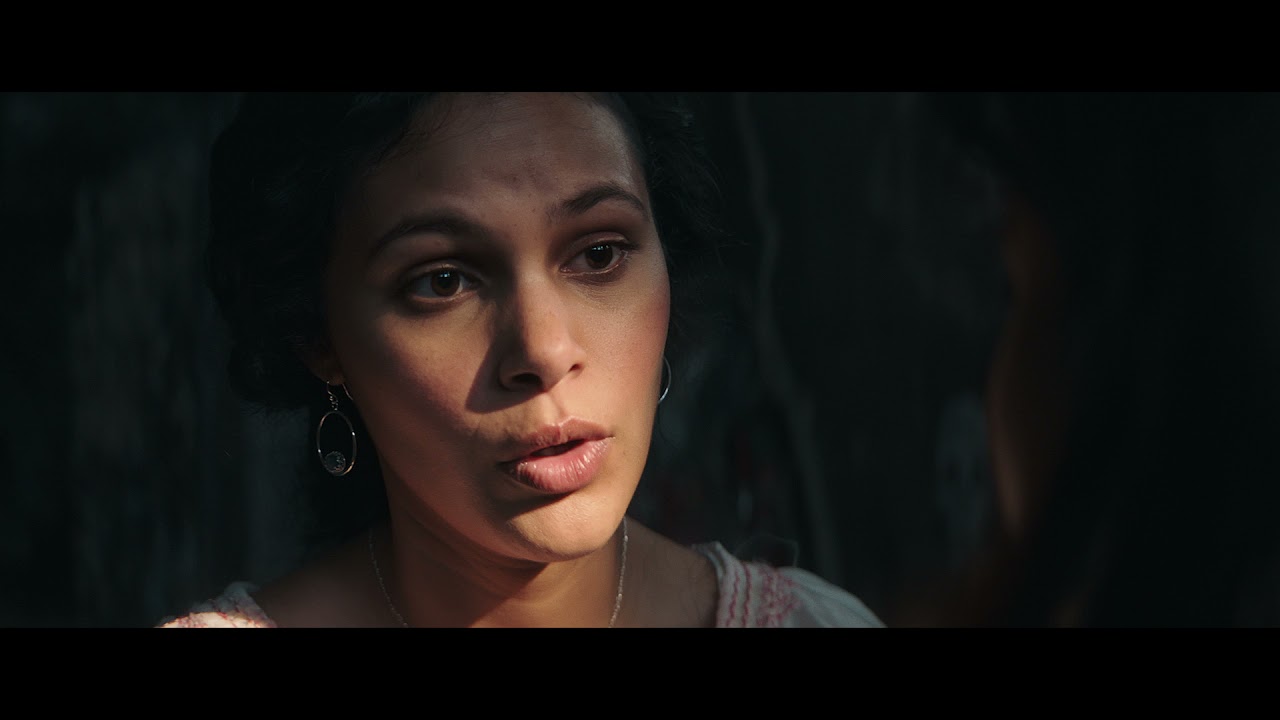
Roh (2019)
Malaysian horror film Roh builds its dread around old warnings about the jungle, spirits and the consequences of inviting unknown forces into your home. After a mysterious young girl appears near an isolated family’s house, a seemingly simple act of hospitality opens the door to something much darker. Its story draws upon Malay folklore in which wilderness and supernatural forces often exist uncomfortably close to the human world.
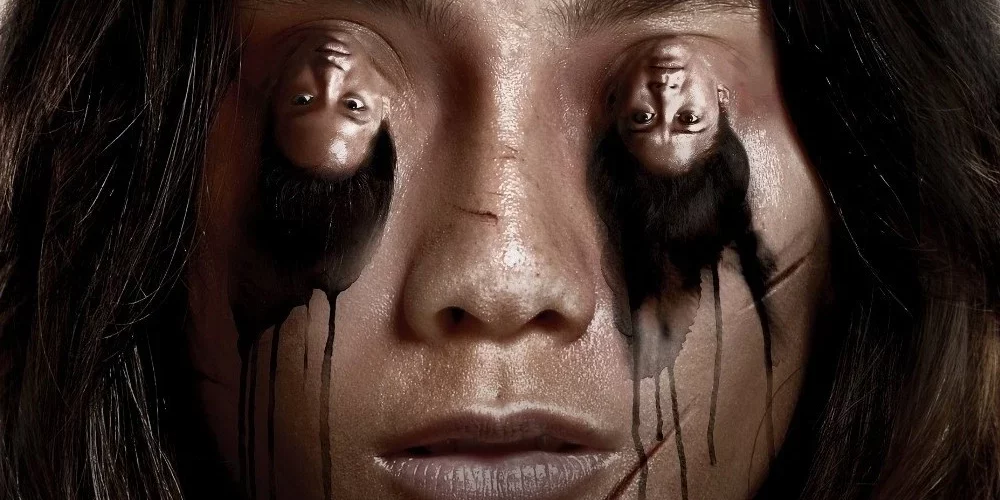
The Curse of La Llorona (2019)
I think most horror fans and paranormal enthusiasts have heard of La Llorona, but the superstition surrounding her runs much deeper than the familiar story of a crying ghost. Across Mexico and other parts of Latin America, generations of children have been warned against wandering near rivers or waterways after dark because La Llorona- the spirit of a mother eternally searching for her lost children, might take them. The movie turns that centuries-old cautionary tale into a supernatural threat stalking a modern family.
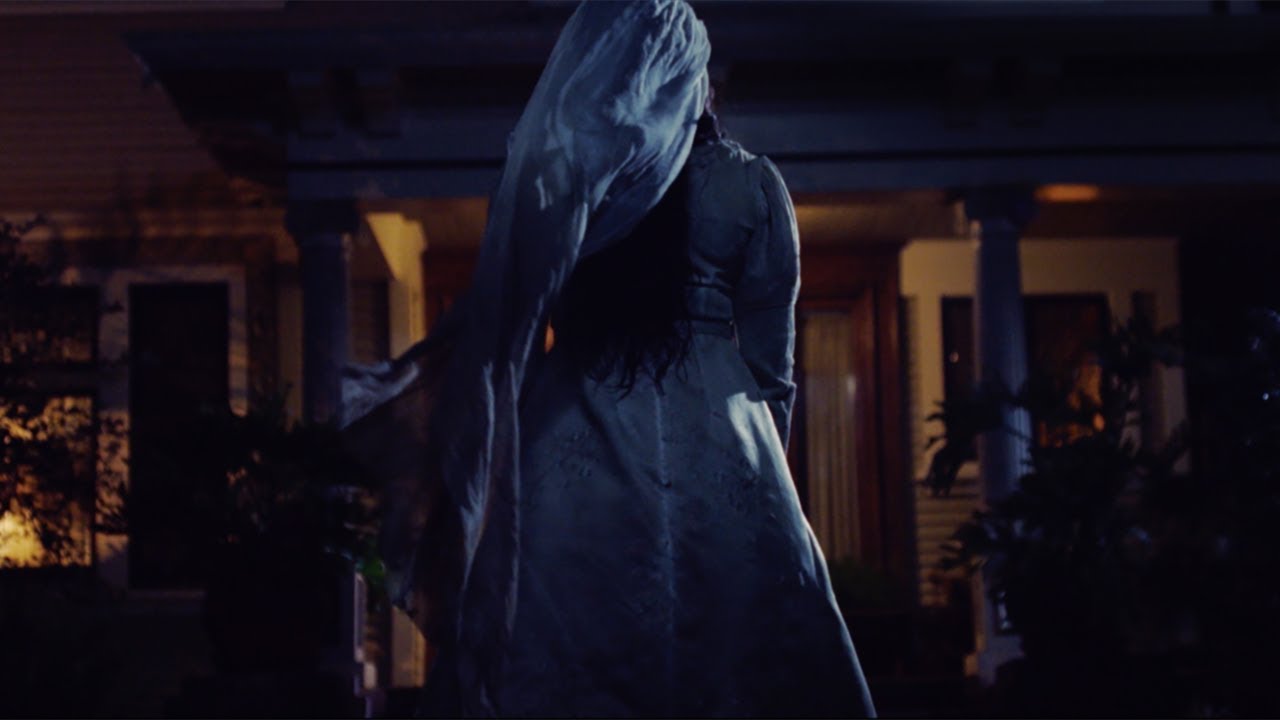
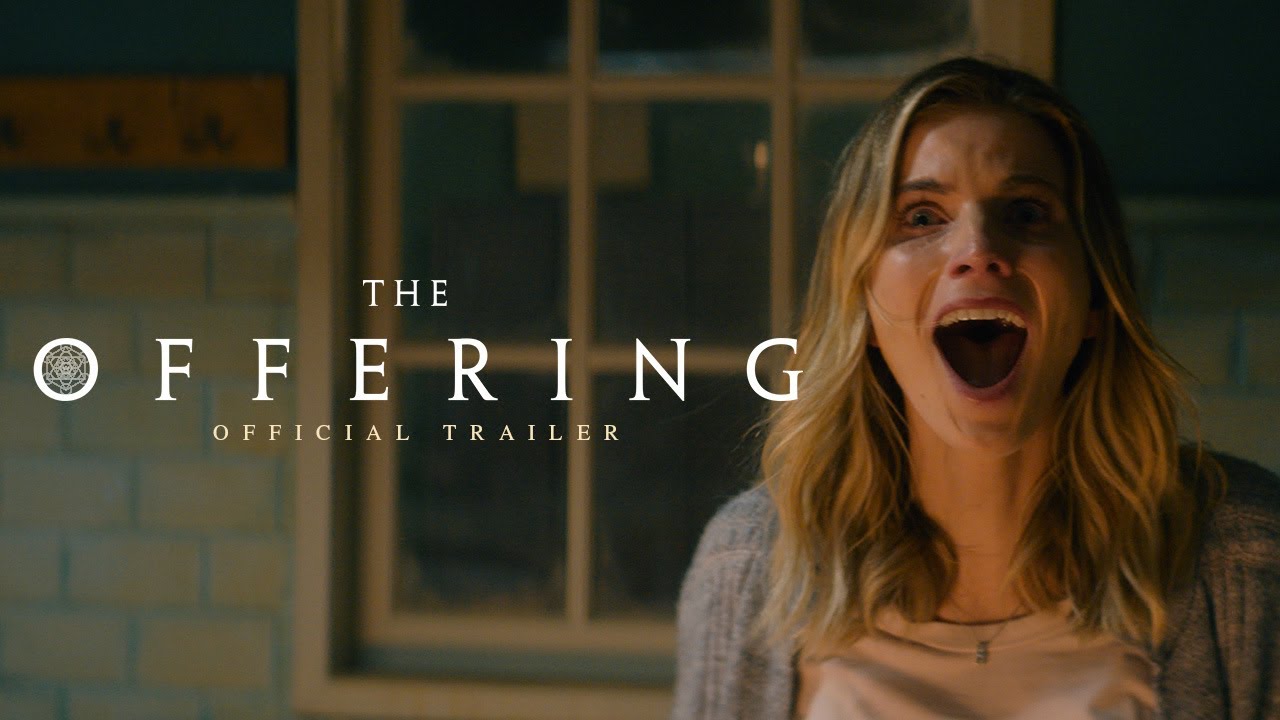
The Offering (2022)
The Offering reaches into Jewish folklore for its central supernatural threat, particularly legends involving demons and spirits capable of attaching themselves to human beings. Set largely inside a Hasidic funeral home, the movie surrounds its monster with religious customs concerning death, burial and protection from evil. That collision between ancient belief and contemporary horror gives the film a mythology that feels considerably older—and more unsettling—than the creature lurking in the shadows.