This post was originally published on here
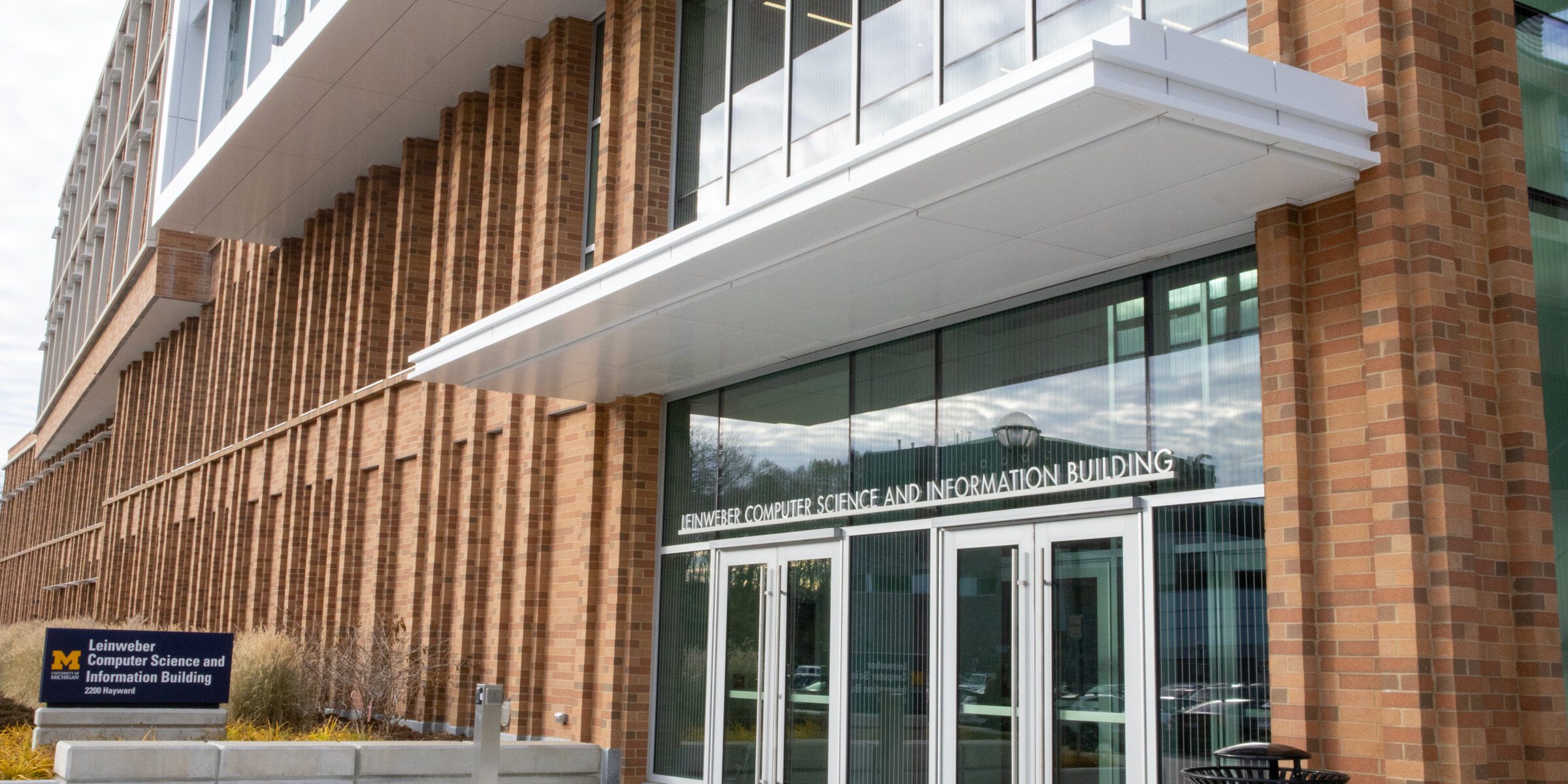
The University of Michigan ended the special admissions process for the computer science major in spring 2026, opening the major to any interested student who completes the program pre-requisites. Launched in fall 2023, the special admissions process limited the number of students able to declare a computer science major as a response to rapidly increasing demand.
High school students applying to the University had to indicate their interest in the major by clicking a checkbox when applying through the Common App, or applying for a cross-campus transfer once at the University. Prospective students additionally decide whether to pursue a computer science degree through the College of Engineering or LSA,
In an interview with The Michigan Daily, engineering professor Atul Prakash, division chair of computer science and engineering, said demand for the major has stabilized.
“We were aiming for a 30% decline when we started the enrollment caps,” Prakash said. “We pretty much hit it. … So we feel comfortable in lifting the caps and letting students choose the major they want.”
Data provided by Prakash shows a declining number of computer science major declarations at the University since 2023.
| Major | 2023 declares | 2024 declares | 2025 declares | 2026 declares |
| Computer Science — Engineering | 747 | 605 | 399 | 294 |
| Computer Science — LSA | 728 | 691 | 561 | 274 |
This decrease in interest at the University tracks with national trends. The major saw a historic surge in popularity starting in the late 2000s, which has since stagnated. Undergraduate enrollment in computer science programs at four-year institutions dropped by 8.4% in 2026.
In an interview with The Daily, LSA junior Khushi Sumani, a computer science and data science double major, said she attributes the decline in demand for the major to artificial intelligence automating entry-level tasks and roles.
“The whole reason they had the advance selection in place in the first place was because so many kids wanted to do CS (because) of the scope it had and the money that comes from this field,” Sumani said. “But now it’s like AI is taking over, so no one’s getting jobs anymore — well people are getting jobs, it’s just really, really hard.”
Although the major has historically been linked to high starting salaries and lower barriers to entry, a Stanford University study found that entry-level employment in software development fell by nearly 20% for ages 22-25 since 2024.
Business junior Kavya Aggarwal, a computer science minor, said in an interview with The Daily that she believes being a computer science major may not be enough to qualify for a job anymore.
“Companies are kind of looking for that interdisciplinary ability, and then you still have to develop a portfolio and there’s a lot of extra stuff that comes into it,” Aggarwal said. “Your CS major just doesn’t matter as much anymore.”
However, Prakash said it’s too early to predict whether the decline will continue with open admissions. He believes computer science as a field will generally resurge, citing a previous decline in the major’s popularity following the 2000 dot-com crash.
“I think long term, computing is not going anywhere,” Prakash said. “Computing will still impact our lives greatly. My expectation is there’ll still be plenty of jobs in computing fields long term.”
LSA sophomore Ria Gulati, a computer science major, said she chose the major because of her interest in product management. In an interview with The Daily, she shared a similarly optimistic outlook to Prakash’s.
“I don’t think CS is going anywhere,” Gulati said. “It’ll always be important. Technology is always changing, but I think it’s important to keep up with the shifts and know what we want to go into and know what’s realistic these days.”
Prakash said the department is introducing classes focusing on agentic AI and the Institute for Agentic Computing, but that AI’s future impact on computer science is still unknown.
“I think human judgment is still required in where the state of the art is,” Prakash said. “Students who acquire the necessary depth — who have acquired the judgment to judge and distinguish outputs from agentic software — will have an edge, and they’ll still be very valuable.”
Managing News Editor Christina Zhang can be reached at [email protected].