This post was originally published on here
PHILLIPINES — The Philippines might evoke images of beautiful beaches and island life, but one of its landscapes has gone unrecognized for decades: savannas.
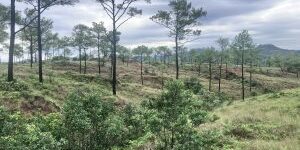
Savanna-like landscapes of Luzon, dotted with widely spaced pine trees and a sea of grasses at ground level, have historically been considered forests that should be protected from fire.
Rediscovering the possibility that these are fire-maintained savannas was the mission of UF/IFAS Associate Professor of Fire Ecology Raelene Crandall, Ph.D. and Research Assistant Scientist of Fire Science Jennifer Fill, Ph.D.
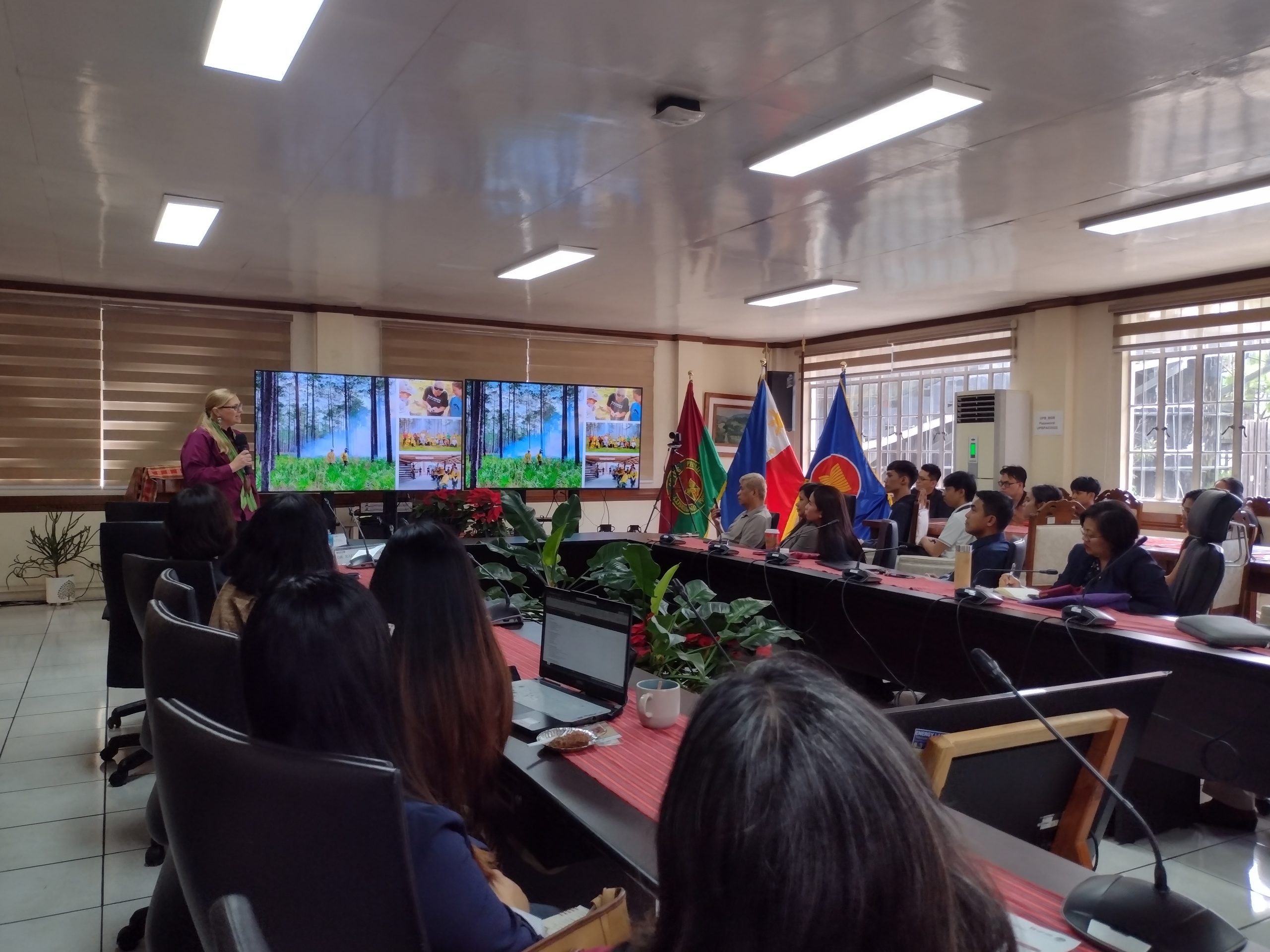
The School of Forest, Fisheries, & Geomatics Sciences scientists were invited to present their research on pine savannas as part of the World Expert Lecture Series (WELS) at the University of the Philippines Baguio from November 12-17, 2025.
They partnered with Assistant Professor of Zoology Aris Reginaldo, Ph.D., a faculty member in the Department of Biology, to obtain funds from the Cordillera Studies Center for field data collection with students in the Central Cordillera Mountain range during the week before the WELS lecture series.
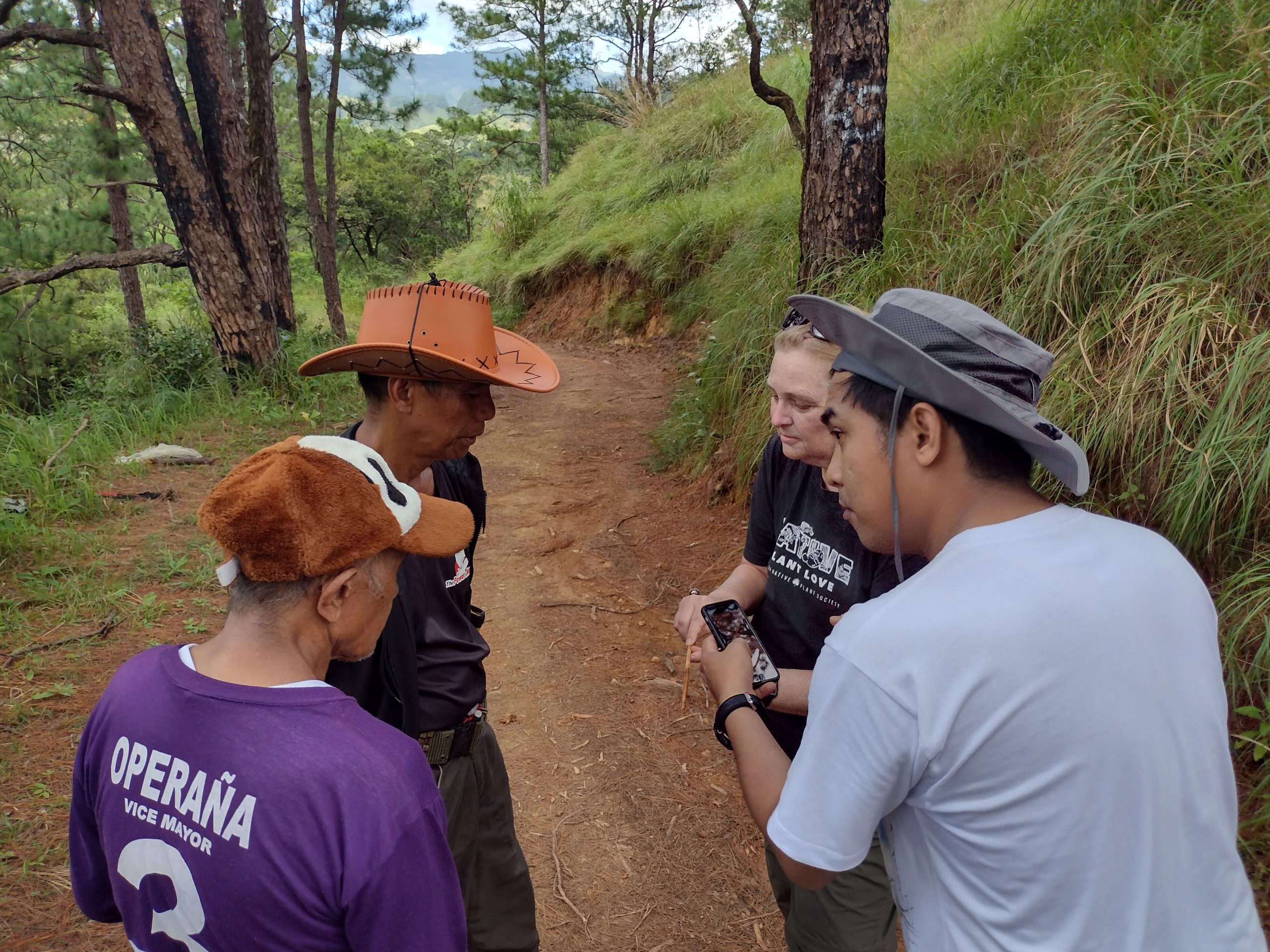
In addition to supporting future publications, the data on pine size and survival after fire were presented the following week in Crandall’s WELS lecture to students, faculty, and Department of Environment and Natural Resources professionals on the “fire trap” in pine savannas.
Fill also introduced the audience to patterns and processes in old-growth savannas worldwide, encouraging research into local plant and fire dynamics.
Dr. Crandall closed with a lecture on Florida’s fire management system and outreach through Southern Fire Exchange, sparking questions on how fire can be appropriately managed in pine ecosystems in the Philippines.
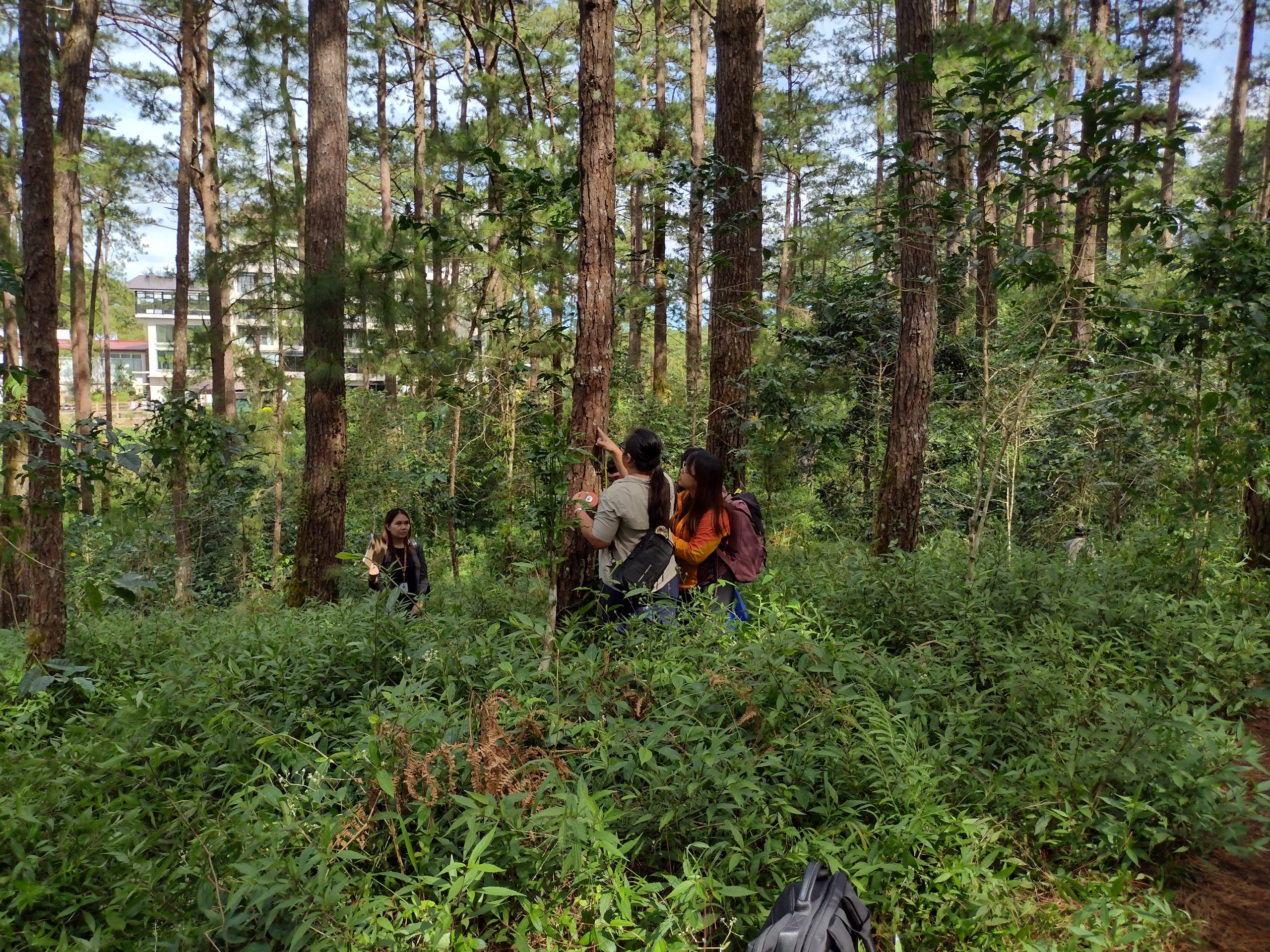
Over the next two days, graduate and undergraduate students who participated in the lecture series applied these concepts in a tree measurement field exercise and data analysis workshop. They learned how tree structure can inform our understanding of fire effects in forest and savanna ecosystems.
At the end of the week, Fill and Crandall met with faculty and forestry professionals to discuss the next steps for fire management and research in pine savannas of the Central Cordillera Mountain range. Together, these conversations and collaborations are lighting the path toward a new era of fire-informed stewardship for the Philippines’ pine ecosystems.
Dr. Crandall expressed enthusiasm for the WELS to “foster new collaborations and student exchanges,” stating, “It is when we combine our knowledge that our resource becomes far more powerful. I think with these exchanges, they will really strengthen the connections between our institutions and advance our collective understanding of these remarkable ecosystems.”
In her remarks, Department of Biology Chair Assistant Professor Liezel Magtoto, Ph.D., shared: “UP Baguio remains steadfast in its mission to serve as a center of learning and research that contributes to the sustainable development of our region and country. Through discussions, such as these, we hope that we continue fostering collaborations among scientists, policy makers, and local communities towards the shared goal of protecting and restoring the ecological integrity of our forests.”
(Story by Jennifer Fill, Photos by Aris Reginaldo, Wyndei A. Dacay, Justin R. Pincaro, and Gwenn T. Estravila/UPB-OPA, Jennifer Fill and Rae Crandall)
The Department of Biology, in collaboration with the UP Office of International Linkages (UP OIL), inaugurated the World Expert Lecture Series (WELS) on Nov. 13, 2025, at UP Baguio.
The WELS is dedicated to critical environmental themes, including the protection of Baguio’s Forest cover, the study of biodiversity, and understanding of the dynamics of upland ecosystems.
The series featured lectures from UP Baguio Professor of Biology Dr. Zenaida G. Baoanan, Engr. Editha Medjia of Camp John Hay Management Corporation, Dr. Raelene Crandall, Associate Professor of Fire Ecology at the University of Florida, and Dr. Jennifer Fill, research assistant scientist from the University of Florida.


0