This post was originally published on here
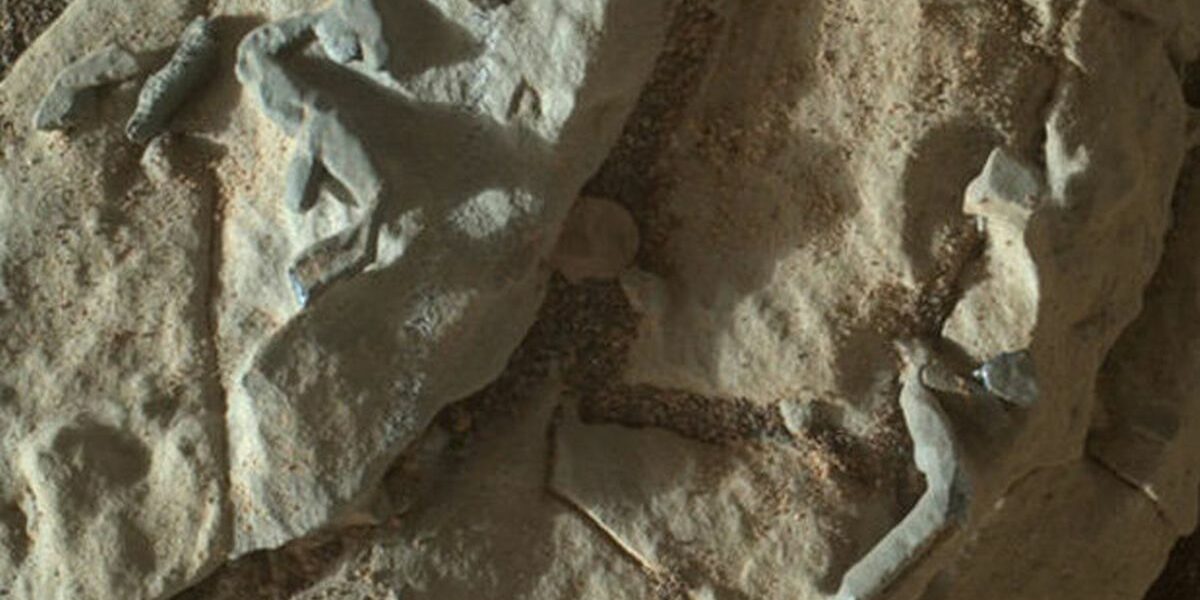
NASA sent the science community into a frenzy with the release of images of rocks on Mars, which led to one suggesting they were actually fossils that showed signs of “soft-bodied creatures”
It’s been a busy year if you believe in aliens. We’ve had 31/Atlas, which a lot of people, including a Harvard scientist, were convinced was an alien spaceship before NASA confirmed it was a comet. Then there was the release of The Age of Disclosure, an explosive documentary that spoke to 34 military government veterans who claimed to have seen flying alien objects.
But the most fascinating human discovery of potential alien life may actually belong in the past, according to one scientist.
Barry DiGregorio, a research fellow for the University of Buckingham, made a controversial claim in 2018 that NASA shots of rocks on Mars were actually trace fossils that represented signs of “soft bodied creatures” who once roamed the Red Planet.
Since the images were captured, NASA has insisted the figures are simply down to crystal growth.
But DiGregorio has long accused NASA of a cover-up, even claiming they are withholding what they know ahead of its plans to send humans to Mars in the 2030s.
He told Daily Star Online: “Put it this way, these images, these figures, have not been seen on Mars to date. One of the things that grabbed me immediately was the expediency that NASA left the area of such a mission.
“So when I started looking, it wasn’t just the objects that were attached the outside, what they are calling sticks.
“If you look at the images more closely, the sticks merge into the host rock, this actually has features in it that are reminiscent of trace fossils.
“NASA has turned its back on trying to get the data on this. The order came down from NASA HQ that they should move the rover on to the next point.
“They didn’t feel it was important enough to look at, I thought that was very odd, despite the fact a gale crater was host to probably a series of lakes for billions and billions of years.
“Crystals don’t add up. Crystals don’t branch or twist. We’re talking about something that might have been equivalent to the Ordovician period on Earth.”
He added: “Honestly, there are a number of speculations about this. And that is, if they know that there is life there, and I very truly believe that NASA knows that there is living microbes in the soil of Mars.
“If they announced that, once that has been satisfied to the general public, people who pay their taxes to send the $2.5billion probe to Mars, they are going to say okay well we discovered life, we don’t need to go there anymore.”