This post was originally published on here
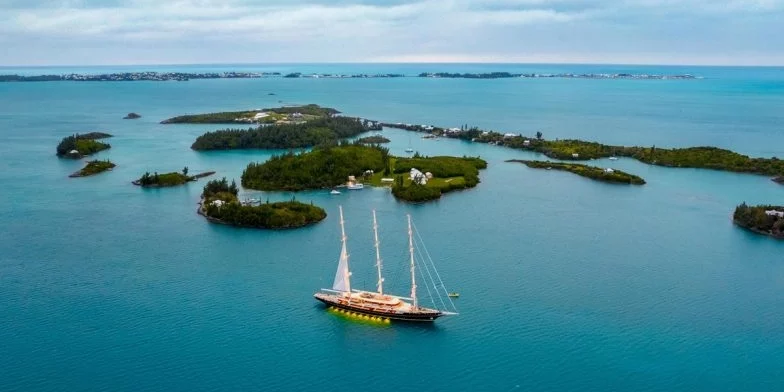
Mumbai, December 16: Bermuda, long famous for its mysterious tales of vanished ships and planes, now has a new geological puzzle: why does the island seem to float above the surrounding Atlantic Ocean? A new study published in the journal Geophysical Research Letters offers a possible answer. Scientists have discovered a massive 12.4-mile (20-kilometer) thick layer of rock beneath Bermuda, between the island’s crust and the mantle, which may explain its unusual elevation.
Bermuda is unlike most volcanic islands. It sits on a large, elevated area of the seafloor called a bathymetric swell. Normally, such swells form when heat from a rising column of hot rock, known as a mantle plume, causes the tectonic plate above to bulge. However, scientists have found no evidence of a hot mantle plume beneath Bermuda today, and the island has not seen volcanic activity for over 30 million years. The swell should have subsided long ago, but it remains elevated. This has left scientists puzzled for decades. Alien Spaceship-like Structures Found in Bermuda Triangle, Claims Discovery Channel’s Treasure Hunter (Watch Video).
Why Bermuda Stands Above the Ocean
To solve this mystery, researchers analyzed data from a single seismic station on Bermuda. By studying recordings of distant earthquakes, they could map the structures beneath the island. When earthquake waves pass through different rock layers, they create echoes. By measuring how long these echoes take to reach the station, scientists can build a detailed picture of the subsurface.
The researchers identified the expected layers: the island’s base, the oceanic crust, and the boundary between the crust and the mantle (the Moho). But they also found a previously unknown layer, two to three times thicker than those found beneath most other oceanic islands. Bermuda Triangle Mystery is Solved According to Scientists! Know What Caused Many Ships and Humans to Disappear.
Bermuda’s Swell: Not Heat, But Rock Density Keeps It Afloat
This thick layer, known as underplating, is believed to be composed of magma that cooled into rock slightly less dense than the surrounding mantle material. The difference in density provides the buoyancy needed to support Bermuda’s bathymetric swell, rather than heat or ongoing volcanic activity.
The researchers explain, “We identify features associated with a ~20 km thick layer of rock below the oceanic crust that has not yet been reported. This thick layer beneath the crust likely was emplaced when Bermuda was volcanically active 30–35 million years ago and could support the bathymetric swell.” This discovery challenges the standard model of how oceanic swells form and remain elevated.
What It Means for Science
The findings suggest that the persistence of Bermuda’s swell is due to this massive, buoyant layer of rock, not ongoing volcanic activity or heat. This changes our understanding of how certain islands and seafloor features maintain their elevation over millions of years.
(The above story first appeared on LatestLY on Dec 16, 2025 11:38 AM IST. For more news and updates on politics, world, sports, entertainment and lifestyle, log on to our website latestly.com).