This post was originally published on here
Hawaiʻi has lost 10 senior-level scientists and managers at the US Fish and Wildlife Service as part of an 18% reduction in the agency’s nationwide staff under the administration of President Donald Trump.
Data obtained through a Freedom of Information Act request by the Center for Biological Diversity indicates the federal agency’s workforce dropped from 9,957 in 2024 to 8,179 (a net loss of 1,778) by the end of May this year. Approximately 552 employees were hired in the same time period, but the agency was left with 530 fewer biologists in 2025 compared to 2024.
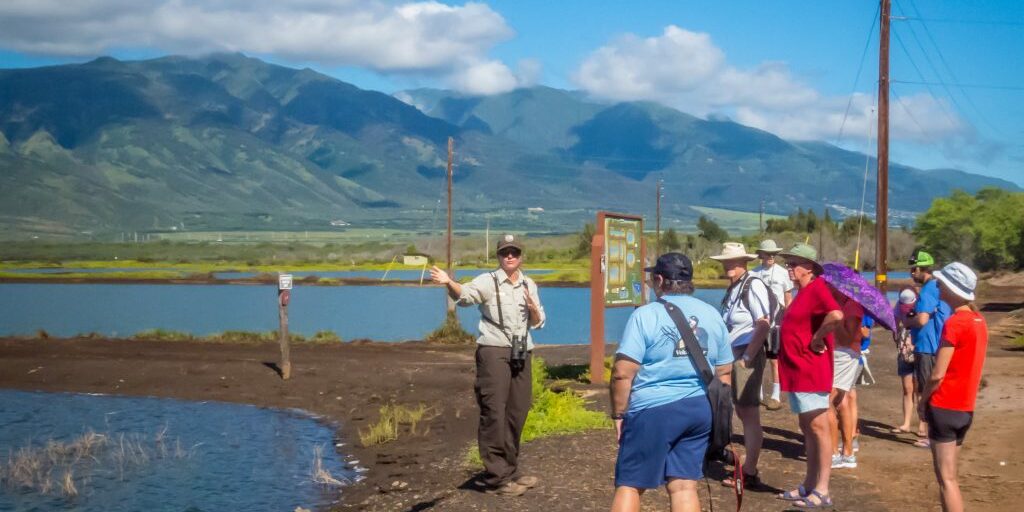
The reduction of nearly 1,800 positions includes the loss of senior experts in the Hawaiian Islands, where the service manages critical habitats such as the Keālia Pond National Wildlife Refuge on Maui and the Hakalau Forest National Wildlife Refuge on Hawaiʻi Island. The Center for Biological Diversity characterized the losses as a result of cuts driven by the Department of Government Efficiency, as well as retirement incentives and a hiring freeze.
Noah Greenwald, endangered species co-director at the Center, expressed concern over the impact on biodiversity.
“Monarch butterflies, hellbender salamanders and so many more plants and animals are staring down the barrel of extinction while the Trump administration slashes staff dedicated to preserving America’s struggling wildlife,” Greenwald said. “This is an agency that needs more resources to help endangered species and the places they live, not fewer. By pushing biologists and other wildlife experts out of public service, Trump is inflicting enormous harm on some of America’s most beloved creatures. The result could be extinction.”
According to the data, nearly 900 of the 2,330 staff members who left the roster between 2024 and 2025 were biologists. The loss of these positions reduces the agency’s capacity to track plant and animal status or manage habitats.
Many departing staff members were senior-level employees, with some likely accepting early retirement offers. While Hawaiʻi lost 10 senior scientists and managers, other states saw higher reductions, including 20 in Florida, 40 in California, and a combined 51 in Oregon and Washington.
“Losing staff is bad enough, but losing senior experts with the experience and knowledge needed to save endangered species is devastating,” Greenwald said. “The Trump administration’s attacks on our environmental laws and the agencies that carry them out is beyond reckless. These staff cuts are completely irresponsible in the midst of our world’s twin climate and extinction crises.”
Documents filed in a lawsuit by government employee unions indicate the administration plans to eliminate an additional 143 positions at the service. However, the agreement to reopen the government blocks these cuts until Jan. 30.