This post was originally published on here
A group of computer scientists, technologists and policy experts say blocking States from enforcing their Artificial Intelligence legislation and regulations is a “grave mistake”.
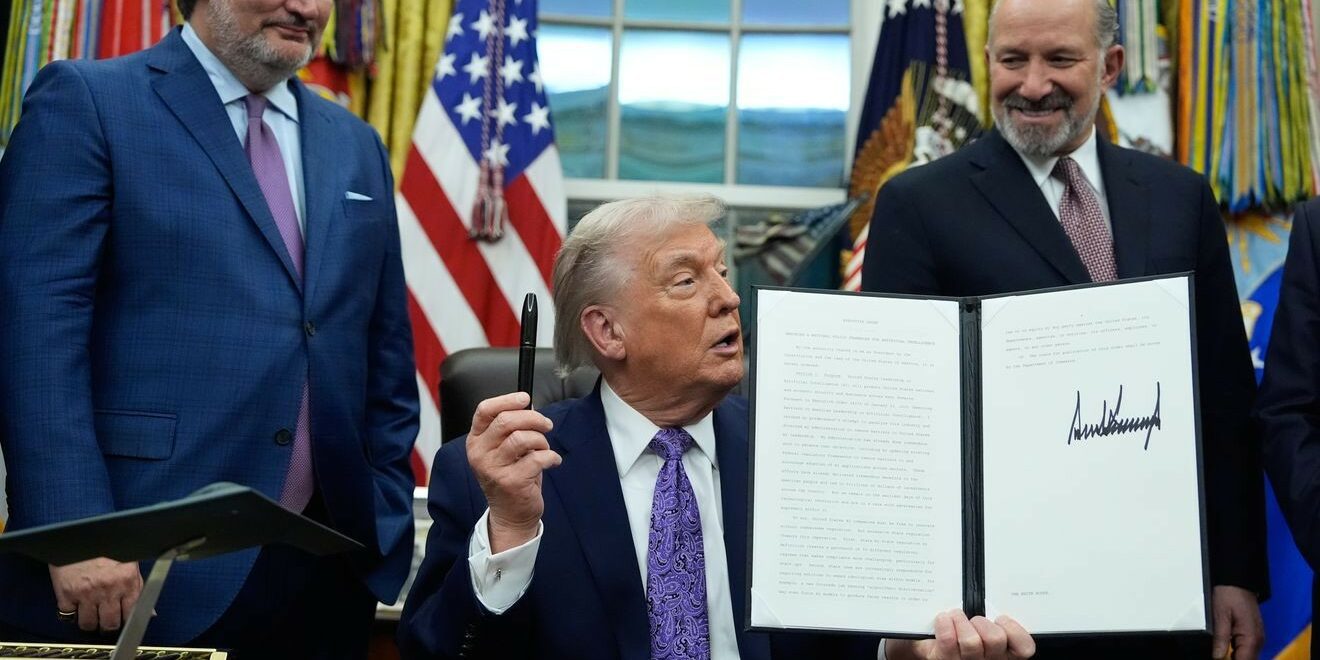
This comes on the heels of President Trump’s Executive Order which engages the Justice Department to go after States with A.I. legislation the Administration deems unfavorable.
Association for Computing Machinery’s U.S. Technology Policy Committee members are sharing concerns that stunting State A.I. legislation, and only using broad federal laws, could lead to a lack of testing and evaluation of AI systems, causing a lack of trust, confidence and focus in the field.
“There are so many different issues, the most effective forms of governance tend to be very specific and very focused, like the things you might do when you’re dealing with, for example, children, online and social media look very different to the kinds of things you might do when dealing with, say, algorithms used in hiring or algorithms used for insurance. And so you have to have a very specific, tailored approach. And oftentimes the States are the best place to target that approach for what a state needs,” Suresh Venkatasubramanian, a member of the ACM US Technology Policy Committee, says.
Venkatasubramanian says carefully done federal legislation would be helpful, though at the moment, says Congress has made little progress compared to States in enacting laws.
The Trump Administration says the growth of A.I. in the United States is being stunted because companies need to “get 50 different approvals from 50 different states”. The Executive Order states: “My Administration must act with the Congress to ensure that there is a minimally burdensome national standard — not 50 discordant State ones. The resulting framework must forbid State laws that conflict with the policy set forth in this order.”
WRGB
More analysis here.