This post was originally published on here
With Christmas party season in full swing, the chances of waking up with a hangover rise sharply – raising the inevitable question: is there anything you can eat to make it better?
While a scientifically proven cure remains elusive, the good news is a hangover isn’t something you simply have to endure.
Short of giving up alcohol altogether, experts say what you eat before and after drinking can influence how severe symptoms feel.
Some swear by a greasy fry-up to ‘soak up’ the booze, while others reach for green smoothies to rehydrate and replenish lost electrolytes.
In medical terms, a hangover isn’t a single condition but a cluster of symptoms caused by the body reacting to alcohol and its toxic breakdown products.
As alcohol is metabolised, the liver produces acetaldehyde – a highly inflammatory compound linked to headache, nausea and gut upset.
Alcohol also disrupts sleep, dehydrates the body, alters blood sugar levels and triggers inflammation in the brain, liver and gut.
Because these processes unfold over many hours and affect multiple systems at once, experts stress there is no single food or supplement that can ‘cure’ a hangover.
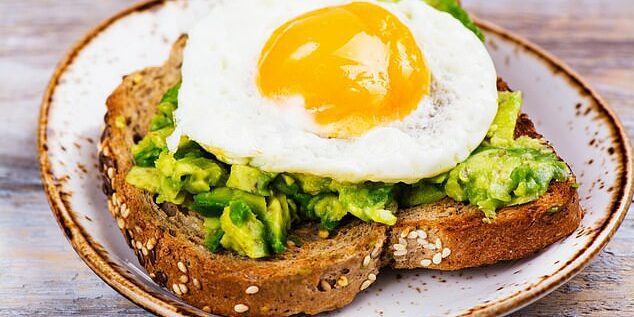
Start your morning sunny-side up
Starting the day with something light but nourishing appears to be one of the most stomach-friendly ways to ease a hangover.
‘Hangover eating habits vary from wanting to eat everything in sight to struggling to face a glass of water,’ says public health nutritionist Dr Emma Derbyshire.
‘Choosing something light but energising is key – and that’s where eggs come in.
‘They’re rich in nutrients and cysteine, which may help offset the effects of acetaldehyde, the substance behind that pounding head and uneasy stomach.’
The science here is largely based on biochemistry rather than large human trials. Cysteine is known to support the liver’s detoxification pathways and plays a role in breaking down acetaldehyde, but researchers say more clinical studies are needed to confirm how much this translates into real-world hangover relief.
Eggs also provide vitamin D, magnesium and essential amino acids, while pairing them with bread can help stabilise blood sugar – which often drops after drinking.
Adding avocado can also help. It contains glutathione, a compound involved in alcohol metabolism, and its healthy fats support the absorption of fat-soluble nutrients that can be depleted by alcohol.
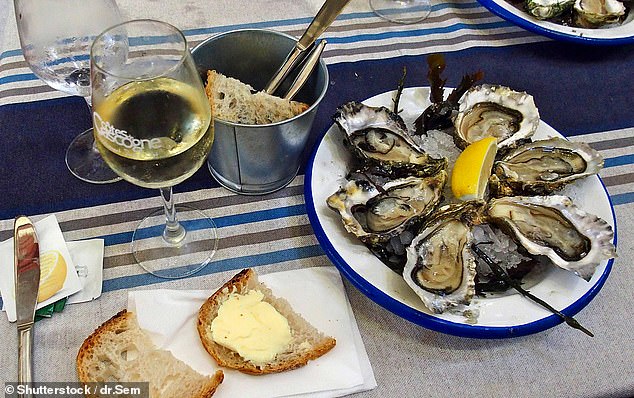
Eat your vitamins: the world is your oyster
One of the strongest human studies on hangovers focuses on micronutrients.
A 2019 study published in the Journal of Clinical Medicine by researchers at Utrecht University in the Netherlands examined dietary intake and hangover severity after heavy drinking sessions. The researchers found that people whose diets were higher in zinc and nicotinic acid (vitamin B3) experienced significantly milder hangovers, including less vomiting.
The authors stressed the study was observational and relatively small, meaning it could not prove cause and effect – but it remains one of the clearest links between diet and hangover severity in humans.
Oysters are one of the richest dietary sources of zinc, with a serving of six medium oysters providing more than 500 per cent of the daily recommended intake.
They’re also high in omega-3 fatty acids, which help dampen inflammation – one of the key drivers of hangover symptoms.
When it comes to B vitamins, fruit such as bananas and oranges can be particularly helpful. Alcohol interferes with the absorption of B vitamins, which are essential for energy metabolism and nervous system function.
Just one banana delivers a quick hit of potassium, a key electrolyte lost through alcohol’s diuretic effect and needed to regulate fluid balance and nerve signals.
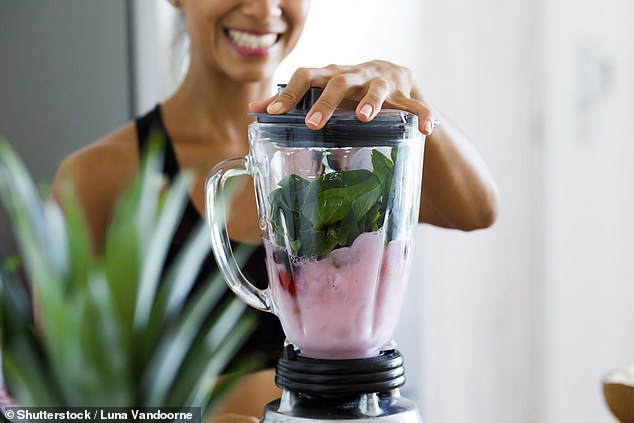
Apples may also help. They contain pectin, a type of fibre shown in laboratory studies to impair alcohol absorption in the gut. While human evidence is limited, some researchers speculate that eating apples before drinking could reduce peak alcohol levels – potentially softening the hangover that follows.
Oats so simple
Alcohol doesn’t just dehydrate the body – it also increases the loss of water-soluble vitamins such as vitamin C and the B group, while impairing absorption of nutrients including folate and vitamin B12.
That’s why foods that gently replenish nutrients and support the gut can be especially useful.
‘Oats are one of the most effective foods you can reach for on a hangover,’ says registered nutritionist Jenna Hope.
‘They’re a good source of beta-glucans, which help support the gut lining.’
Beta-glucans are soluble fibres with anti-inflammatory properties that can soothe an irritated digestive tract while also slowing glucose absorption, helping to steady blood sugar levels.
If porridge feels too heavy, Hope suggests blending oats into a smoothie as a gentler alternative.