
This post was originally published on here
Diabetes drugs may be doing more than managing blood sugar, they could also shape cancer biology in unexpected ways.
New research is taking a closer look at how diabetes drugs may relate to cancer, with an emphasis on effects that go beyond lowering blood sugar or supporting weight control. Although diabetes has long been linked to a higher risk of certain cancers, scientists are still working to untangle how anti-diabetic medications might shape that risk.
In a new review, researchers evaluate evidence on several major drug classes, including metformin, SGLT2 inhibitors, and GLP-1 receptor agonists. The analysis describes how these medications could influence cancer progression by affecting how quickly cells multiply, how the immune system responds, how inflammation is regulated, and other underlying biological processes.
Together, the findings point to possible therapeutic opportunities while also underscoring the need for more research on how diabetes treatments may affect cancer outcomes.
Diabetes, Cancer Risk, and Unanswered Questions
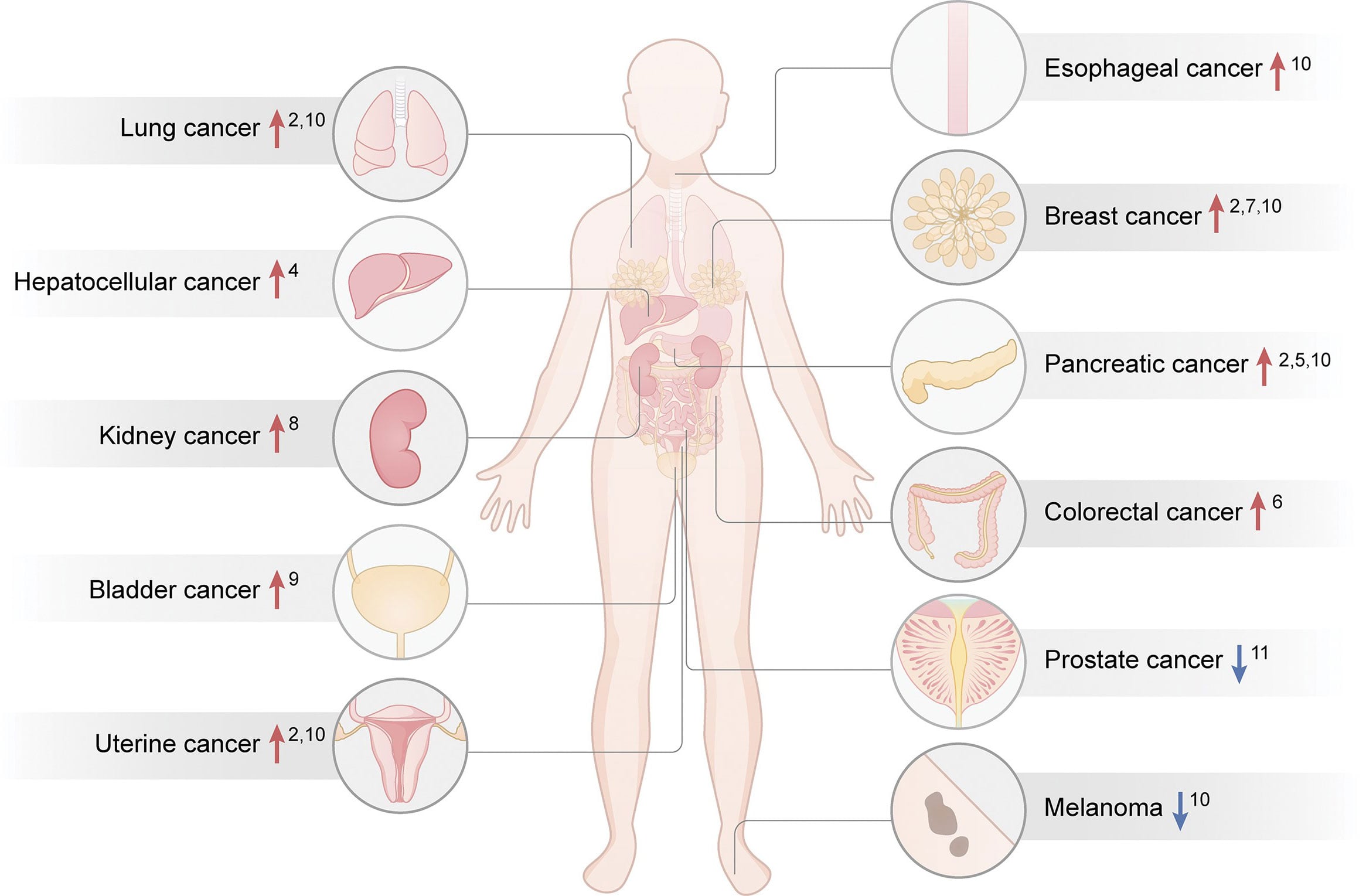
Type 2 diabetes (T2DM) has been associated with an increased risk of multiple cancers, including liver, colorectal, and breast cancer. Blood sugar management and weight control remain central goals in diabetes care, but growing evidence suggests they do not fully explain the overall cancer risk seen in people with diabetes.
That uncertainty has led researchers to investigate whether diabetes medications might influence cancer through additional pathways unrelated to glucose control or weight.
Clarifying these effects could help determine when these drugs might offer protective benefits, when they may carry risks, and how they could fit into strategies for cancer prevention or treatment. Because the biology is complex, further studies are still needed to identify the key mechanisms involved.
Scope and Context of the Review
Published on December 10, 2025, in Precision Clinical Medicine, the review examines how anti-diabetic medications may affect cancer, shifting attention beyond the usual focus on glycemic control and weight management. The work was carried out by specialists at Peking University People’s Hospital.
The authors explore how metformin, SGLT2 inhibitors, and GLP-1 receptor agonists could alter cancer progression through several biological pathways. By bringing together current evidence, the review offers a clearer picture of the evolving and still uncertain relationship between diabetes therapies and cancer outcomes.
Mechanistic Insights From Preclinical and Clinical Evidence
The review systematically examines the preclinical and clinical evidence linking anti-diabetic medications to cancer. Metformin, one of the most widely used anti-diabetic drugs, is shown to influence cancer through various mechanisms, including enhancing anti-cancer immunity and inhibiting tumor growth by affecting the tumor microenvironment (TME).
It also modifies the activity of key cancer-related pathways like AMPK, mTOR, and PI3K/AKT, which are involved in cell proliferation, apoptosis, and angiogenesis.
Similarly, other medications like SGLT2 inhibitors and GLP-1 receptor agonists have shown potential in altering cancer cell proliferation, reducing inflammation, and promoting apoptosis. However, their effects vary depending on the type of cancer and specific drug used.
For example, while metformin has shown promise in reducing the risk of colorectal and liver cancers, its effects on breast cancer remain inconclusive.
Variable Effects and the Need for Further Research
Furthermore, the review highlights the importance of considering individual medications and their specific mechanisms of action, as well as the need for further clinical trials to confirm these findings and explore their therapeutic potential in cancer treatment.
According to Dr. Linong Ji, one of the leading researchers in this field, “While anti-diabetic medications are crucial in managing diabetes, their broader effects on cancer are still not fully understood. This review sheds light on the intricate mechanisms through which these drugs may influence cancer progression. However, the evidence is mixed, and we must continue to investigate the long-term impacts of these medications in cancer patients, as well as the potential for developing targeted therapies based on these findings.”
The findings from this review underscore the importance of personalized medicine in treating diabetic patients with cancer. Understanding the specific ways anti-diabetic medications influence cancer progression could lead to better-targeted treatments, improving both cancer prevention and patient outcomes.
This research also paves the way for future clinical trials to explore how existing medications can be optimized for cancer therapy or used as adjuncts to conventional treatments. The role of medications like metformin in cancer prevention could also inform public health strategies, particularly in managing diabetes and related comorbidities in populations at higher risk for cancer.
Reference: “Anti-diabetic medications and cancer: links beyond glycemic and body weight control” by Meng Cao, Chu Lin, Xiaoling Cai, Fang Lv, Wenjia Yang and Linong Ji, 7 November 2025, Precision Clinical Medicine.
DOI: 10.1093/pcmedi/pbaf028
This work was supported by the 2024 National Clinical Key Specialty Construction Program of China (Department of Endocrinology, Peking University People’s Hospital) with support from the central government budget, the Noncommunicable Chronic Diseases-National Science and Technology Major Project (grant Nos. 2023ZD0508200, 2023ZD0508205), the Clinical Medicine Plus X-Young Scholars Project of Peking University (grant No. PKU2025PKULCXQ025), and the Fundamental Research Funds for the Central Universities.
Never miss a breakthrough: Join the SciTechDaily newsletter.
Follow us on Google and Google News.