This post was originally published on here
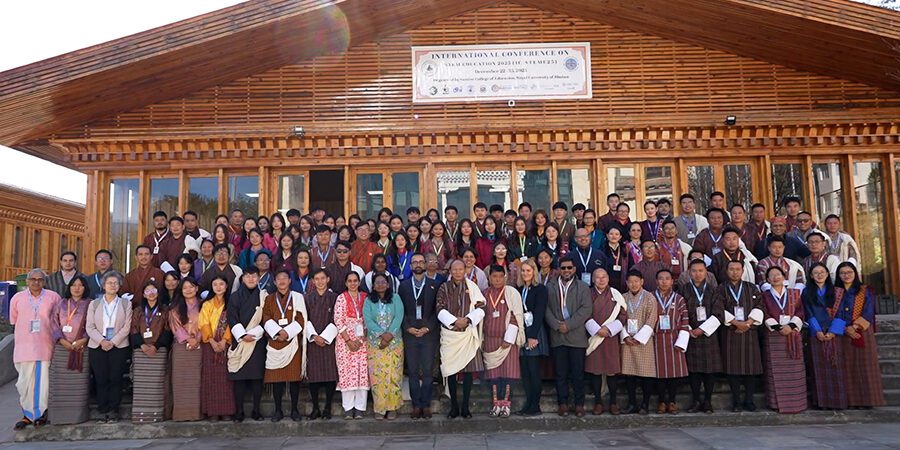
From textbooks to toys, educators are finding simple yet powerful ways to make science, technology and mathematics learning come alive. At a two-day international conference in Thimphu, teachers and education experts shared how hands-on teaching materials and everyday resources can help students better understand STEM concepts in the classroom.
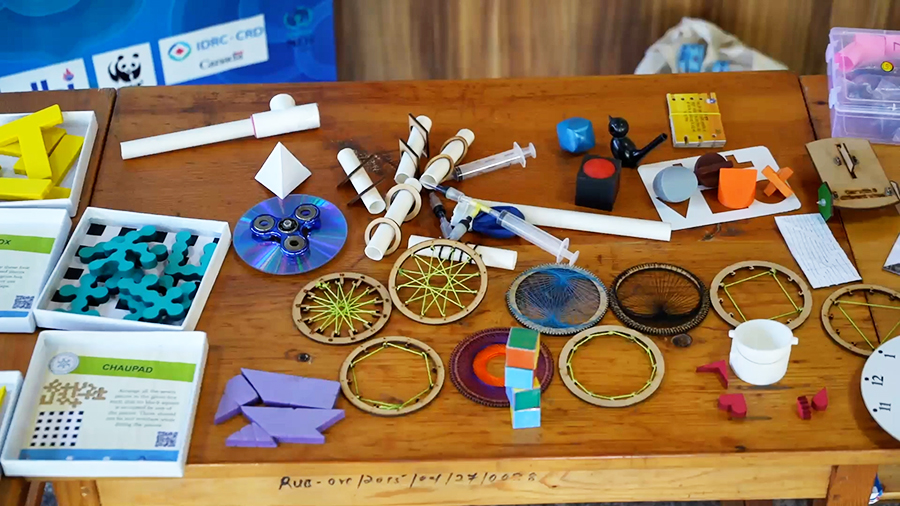 These are not toys from a playroom, but teaching tools designed to help learners of all ages understand science, technology and mathematics in a more engaging way.
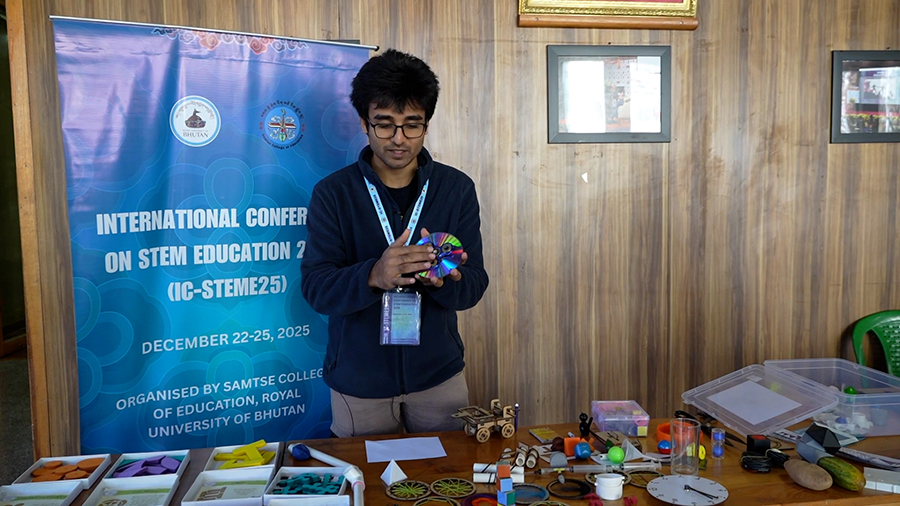
“Here we have a simple setup: a CD attached to a fidget spinner, once a popular toy. With this basic device, we can demonstrate a key concept taught in physics. If we place the CD on the table without spinning it, it will fall over, as expected. But when we spin the fidget spinner and then place it down, the CD remains upright. This happens because of the gyroscopic effect,” said Maanas Jain, an assistant at the Center for Creative Learning, IIT Gandhinagar, India.
Displayed at the two-day international conference on science, technology and mathematics education that began in Thimphu today, the colourful puzzles, games and hands-on learning materials developed by the Centre for Creative Learning at IIT Gandhinagar, India, reflected a growing shift in how educators approach teaching in a rapidly changing world.
Speakers at the conference said teachers must explore alternative teaching approaches instead of relying solely on textbooks to create lasting learning experiences.
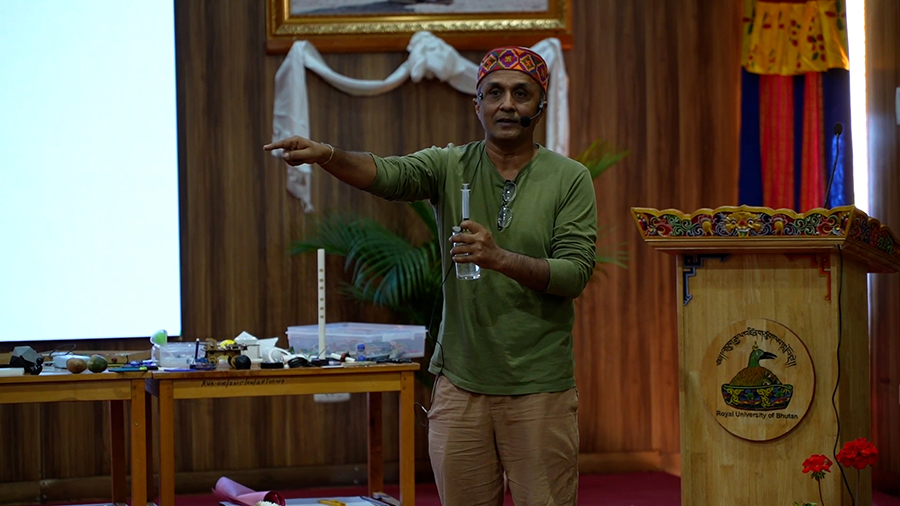
Manish Jain, a professor with the Center for Creative Learning said, “Textbooks are the most read books by children today, and that should not be the case. A textbook is only one way of learning about something, yet the focus has become limited to textbook examples, questions, and answers. As a result, so much that could spark students’ interest, engagement, and understanding is completely missed. So the biggest critical thing in education is to experience what you are reading in the textbook.”
Despite the increasing use of digital tools, online classes and handouts in schools, some educators noted that playful learning resources such as toys and puzzles are still not widely used.


“Some of the teaching materials I use come from the laboratory, while others are drawn from our everyday surroundings. For example, when teaching electrochemistry and explaining rusting, I bring nails into the classroom. Chemistry is an engaging subject, and my students actively create many of their own teaching and learning materials,” said Kezang Choden, educator at Samtse College of Education.
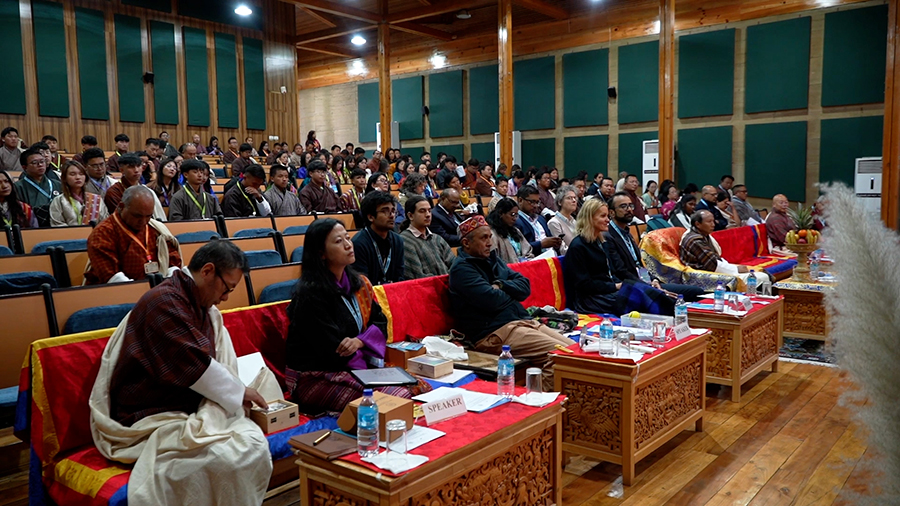 The conference brought together students from colleges and schools, STEM faculty from Samtse College of Education, researchers, scholars, representatives from national agencies, as well as international delegates.
As education continues to evolve, educators say blending textbooks with hands-on learning could help classrooms keep pace with changing times.
Kinley Bidha
Edited by Phub Gyem