This post was originally published on here
Oysters are a very popular seafood in the United States, as they can be enjoyed everywhere from upscale raw bars to regional seafood shacks along the bays of both coasts.
Unfortunately, oysters are accumulating microplastics that cannot be filtered out before human consumption.
What’s happening?
According to the Baltimore Sun, Maryland scientists say microplastic pollution is greatly affecting the oyster population in the Chesapeake Bay and poses risks to humans who ingest them.
Microplastics are defined as plastic pieces measuring no more than five millimeters, and once they enter our waterways, 94% of them are trapped in the ecosystem, according to researchers at Penn State.
Mario Tamburri, the director of the University of Maryland’s Alliance for Coastal Technologies and Marine Environmental Resource Center, told the Baltimore Sun, “When they’re in the smaller forms, that’s when they can be easily ingested by marine life. Those plastics will accumulate, and they have toxins associated with them.”
Maryland researchers note that oysters are especially vulnerable as they filter large volumes of water over their lifetime. This causes them to ingest everything from microplastics to paint particles, which can get stuck in their tissues and raise their copper levels. Once transferred to humans, this can lead to liver damage, gut health issues, and even copper toxicity if ingested in large amounts.
|
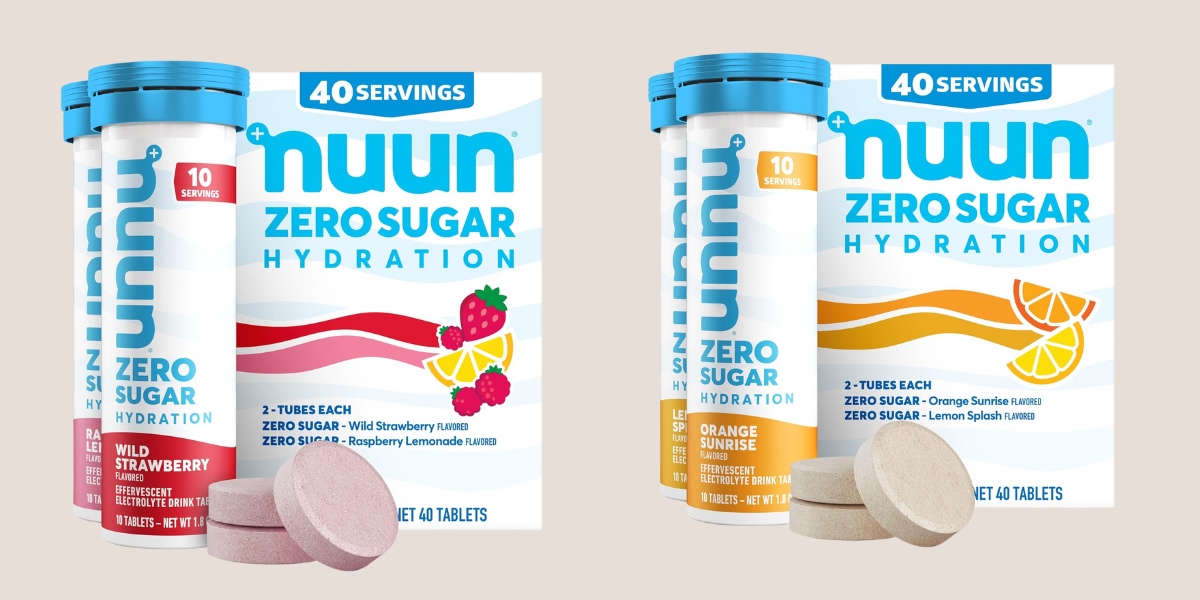
Nuun’s zero-sugar hydration tablets are a perfect, guilt-free way to enhance your water throughout the day. You’ll get five essential electrolytes for everyday hydration — with zero grams of sugar. Plus, Nuun tablets are certified vegan and gluten-free, and they’re the perfect size to keep in your car, purse, or anywhere you’ll want a healthy, restorative drink. |
Why are microplastics in oysters important?
Oysters are not only a staple food in the Chesapeake Bay region, but Americans consume more than two million oysters a year, according to Tommy Price of the Oyster Recovery Partnership, who spoke to the Sun. Microplastics can absorb other toxins, which are then passed on to humans.
Multiple studies have linked microplastics exposure in humans to an increased risk of stroke and heart attack, as well as a disruption of hormones, which can increase the risk of many cancers, create learning struggles in children, and increase reproductive challenges.
Global plastic production is expected to reach 445 million tons in 2026. Plastic is a magnet for other toxins, which can affect thousands of more animals than oysters, potentially making this a bigger problem than just oysters.
What can we do about microplastics in oysters?
Oyster Recovery Partnership executive director Ward Slacum told the Baltimore Sun that local restaurants can reduce plastic exposure by plating the silverware and oysters separately for customers, as well as sorting food waste carefully to keep plastic out of their environment.
We can also reduce plastic in our homes by reusing plastic whenever possible, choosing glass over plastic, and growing more of our own food, which will lessen the carbon impact of our households and reduce the plastic that inevitably ends up in our waterways.
Get TCD’s free newsletters for easy tips to save more, waste less, and make smarter choices — and earn up to $5,000 toward clean upgrades in TCD’s exclusive Rewards Club.