This post was originally published on here
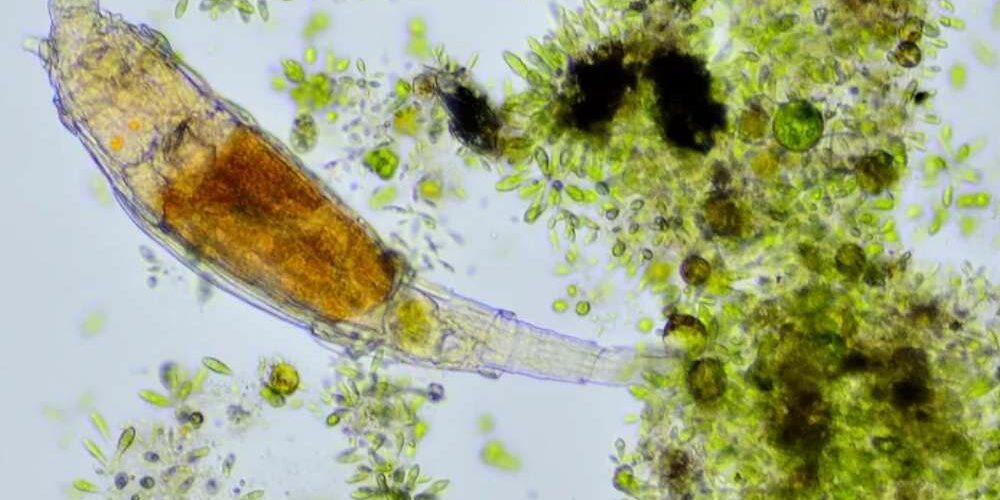
SIBERIA, Russia — In a remarkable scientific breakthrough, Russian researchers have successfully revived bdelloid rotifers, microscopic animals that had been frozen in Siberian permafrost for around 24,000 years, shedding new light on the extraordinary resilience of life in extreme conditions.
The team discovered the tiny organisms deep within ice cores in Siberia, where they had been preserved in a state of cryptobiosis — a form of suspended metabolism that allows living beings to survive freezing, drying, or other extreme environmental stressors for millennia. Upon careful thawing in laboratory conditions, the rotifers astonishingly resumed normal activity, including feeding and reproduction, proving that life can endure far longer than previously imagined.
According to scientists, bdelloid rotifers are renowned for their survival skills, and this discovery confirms their ability to remain dormant for tens of thousands of years without suffering cellular damage. The revival also provides researchers with a unique opportunity to study the molecular and genetic mechanisms that allow such organisms to resist extreme cold and prolonged inactivity.
Experts emphasise that while this achievement is significant, it applies to microscopic life forms, not complex organisms. The research highlights potential applications in cryobiology, offering insights into how cells and tissues might survive long-term preservation, which could influence medicine, conservation, and even space exploration.
The findings have been reported by multiple scientific outlets and have sparked global interest in the ability of life to survive extreme conditions. This breakthrough challenges long-held assumptions about the limits of survival and raises intriguing questions about the possibility of life enduring in other harsh environments, both on Earth and potentially on other planets.
This story has been reported by PakTribune. All rights reserved.