This post was originally published on here
Dogs are humanity’s best friend, and this is partially because we’ve bred them to better suit our preferences and needs. The Alaskan Malamute and Komondor, for example, were intentionally bred to serve specific roles (pulling sleds across the Arctic and guarding sheep from predators, respectively, in these two cases). It’s not just breeding that can produce new types of dogs, though. The harrowing damage to the ecosystem left in the infamous Chernobyl disaster’s wake may be contributing, too.
The April 1986 calamity caused ecological damage so severe that it will continue to scar the land for generations to come. In fact, according to Time, the director of the Chernobyl plant, Ihor Gramotkin, has stated that it would be “at least 20,000 years” before the plant’s immediate area would be safe again. The dangers of radiation exposure are severe, and the further scientists are able to study animals that live in the wider area, the better they can understand those effects. The local dog population has been regularly exposed for some time, as they shelter in the dangerously radioactive Semikhody train station. The area is still extremely hazardous, and Russian military activity throughout the exclusion zone could have far-reaching effects.
A 2023 study published on ScienceAdvances titled “The dogs of Chernobyl: Demographic insights into populations inhabiting the nuclear exclusion zone” investigated the DNA of some of these dogs and found that “genome-wide profiles from Chernobyl, purebred and free-breeding dogs, worldwide reveal that the individuals from the power plant and Chernobyl City are genetically distinct.”
Advertisement
Advertisement
Read more: How To Make Your Phone Last Longer Than You Thought Possible
How the dogs living in the exclusion zone are genetically different
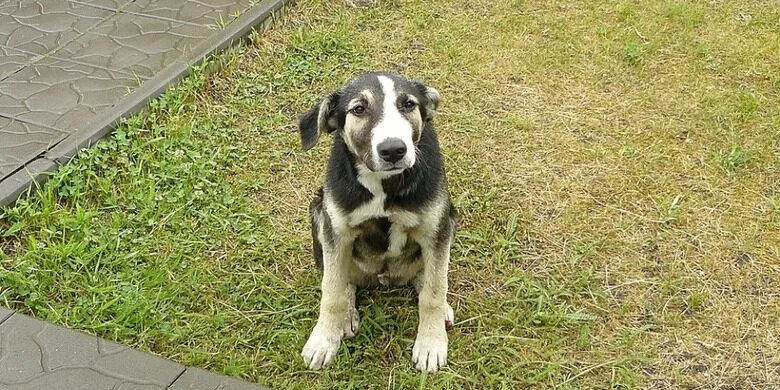
A dog sits on a grassy street corner in the Chernobyl Exclusion Zone. – Jbuket/Wikimedia Commons
Scientists have set out to monitor the DNA of the dogs by collecting blood samples, hoping that progressive cleanup and mitigation efforts will be easier, in terms of understanding the health risks to people, by gaining a deeper understanding of the impacts on the animals that now call the blighted Chernobyl surroundings home. Columbia Magazine called these dogs the “super canines of Chernobyl,” and though they’re undoubtedly resourceful survivors, it’s a bit of a twist on Chernobyl’s story and the overall cleanliness of nuclear energy. What the researchers were looking for was a subtle sign, an indication of what may separate these dogs from other canines.
Often, species will gradually develop new traits or genetic features that help them survive in difficult or changing environments. Scientists believe, for instance, that some polar bear populations are becoming genetically more resilient to increasing temperatures, in terms of heat stress and their metabolisms. The bloodwork of the Chernobyl dogs, meanwhile, resulted in a profile that determined that there were two distinct populations in the area, and that breeding between them was rare.
Another study, conducted by Megan N. Dillon, Matthew Breen et al, highlighted differences in the genome in areas such as the capacity to rectify damage to DNA. Is it possible, then, that the dogs are adapting to the dangerous conditions by rapidly evolving to protect their DNA? Further study of the dogs’ DNA suggests that mutation may not be the cause of the differences science has identified between the two populations.
The radiation may not be the reason for the differentiation
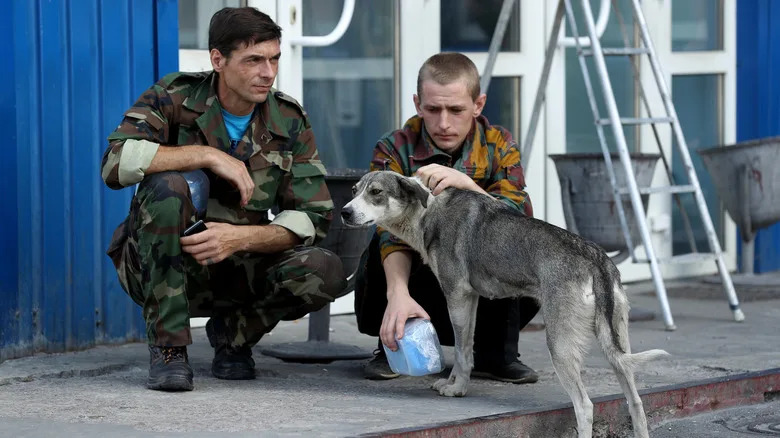
Staff kneel to pet a dog in Chernobyl. – Sean Gallup/Getty Images
The study published in Science Advances notes, “Genetic differentiation from other purebred and free-breeding dogs suggests that the Chernobyl populations have a unique genomic signature, supporting their utility in further genomic studies.” It’s not clear whether the radioactive environment directly caused or influenced these differences. The dogs weren’t necessarily mutated by their exposure to the environment, and there are a lot of factors – the Chernobyl disaster happening almost 40 years ago at the time of writing, being one — that complicate determining the effect it has had on the dogs’ DNA.
Advertisement
Advertisement
The effect won’t necessarily be the same or as pronounced on each. It’s critical to emphasize that this isn’t a wildly different kind of dog that had its existing body transformed into a new species by radiation, like in a comic book. Rather, it’s a subtle difference in the DNA of the dogs, one that continues to be questioned. In a press release (via PhysOrg), Matthew Breen of NC State said, “While this dog population is 30 or more generations removed from the one present during the 1986 disaster, mutations would likely still be detectable if they conferred a survival advantage to those original dogs. But we didn’t find any such evidence in these dogs.”
Co-researcher Megan Dillon suggested to the Columbia University Irving Medical Center that there was potential for “extreme selective pressure at the start,” before the populations converged, possibly leading to the passing on of separate traits. Scientists will continue to debate the topic, but future studies should provide some more insight into the effect the disaster continues to have on the animal population, perhaps critical for research into survival in the most extreme possible conditions.
Want the latest in tech and auto trends? Subscribe to our free newsletter for the latest headlines, expert guides, and how-to tips, one email at a time. You can also add us as a preferred search source on Google.
Read the original article on SlashGear.