This post was originally published on here
Scientists at a university in the United Arab Emirates (UAE) have uncovered the key climate factors responsible for extreme summer heat in the Arabian Gulf.
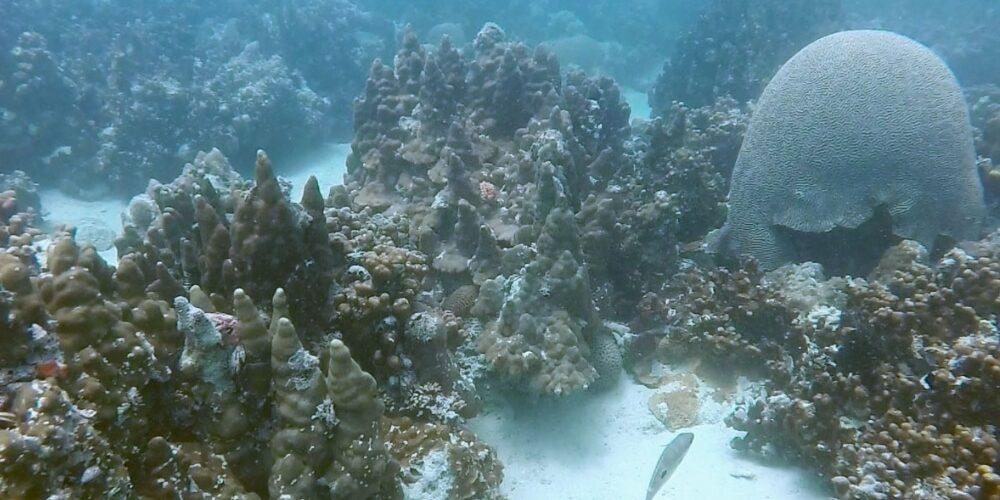
According to a new study conducted by the Mubadala ACCESS Center at NYU Abu Dhabi, certain atmospheric and oceanic conditions explain why some summers in the Gulf become far hotter than others. During these periods, sea surface temperatures rise to levels capable of triggering mass coral bleaching and disrupting fisheries and marine biodiversity.
Researchers say the findings could allow authorities to predict extreme marine heat events two to three months ahead. With climate change intensifying extreme weather globally, the study highlights the growing need for regional, data-driven forecasting tools to protect coastal ecosystems and communities across the Gulf.
The Arabian Gulf is already considered the warmest sea on Earth during summer, and while local marine species have adapted to high temperatures, unusually hot years can push ecosystems beyond their limits. Until now, scientists have had a limited understanding of what drives these extreme warming events.
By analyzing decades of observational data alongside advanced ocean models, researchers found that marine heatwaves occur when two major wind systems shift simultaneously.
Specifically, the region’s northwesterly Shamal winds weaken, while the Indian summer monsoon strengthens, leading to increased humidity over the Gulf. This moisture traps heat near the ocean surface, causing sea temperatures to rise sharply.
The study also connects the most intense Gulf summers to large-scale global climate patterns. Extreme warming is more likely during La Niña conditions, when the tropical Pacific cools, and when the North Atlantic Oscillation weakens, altering storm tracks. When both patterns occur together, the Gulf experiences its most severe marine heatwaves.
Lead author Zouhair Lachkar, a senior scientist at NYU Abu Dhabi, noted that the findings challenge common assumptions about marine heatwaves.
Unlike other regions where clear skies and intense sunlight drive warming, the Gulf’s extreme temperatures develop under humid and hazy conditions. He also pointed out that, unlike most oceans where El Niño fuels heatwaves, La Niña plays the dominant role in the Gulf.
Researchers believe the study will significantly improve early-warning systems, enabling scientists and policymakers to take action before irreversible damage occurs.
According to John Burt, co-director of the Mubadala ACCESS Center, the ability to predict extreme heat weeks or months in advance could help marine managers better protect coral reefs and other vulnerable ecosystems, reinforcing the importance of locally focused research with global relevance.