This post was originally published on here
2025 didn’t just add new chapters to space science; it rewrote the story of our place in the universe. From the strongest hints yet of life on Mars to an interstellar visitor streaking through our solar system, the year delivered discovery after discovery. The James Webb Telescope and NASA’s rover cracked long-standing cosmic mysteries, scientists spotted planets that could one day be new homes, and the shocking revelation that dark energy may be weakening left the scientific world reeling. Together, these eight breakthroughs push us closer to answering the oldest question of all: are we truly alone in the vastness of space?
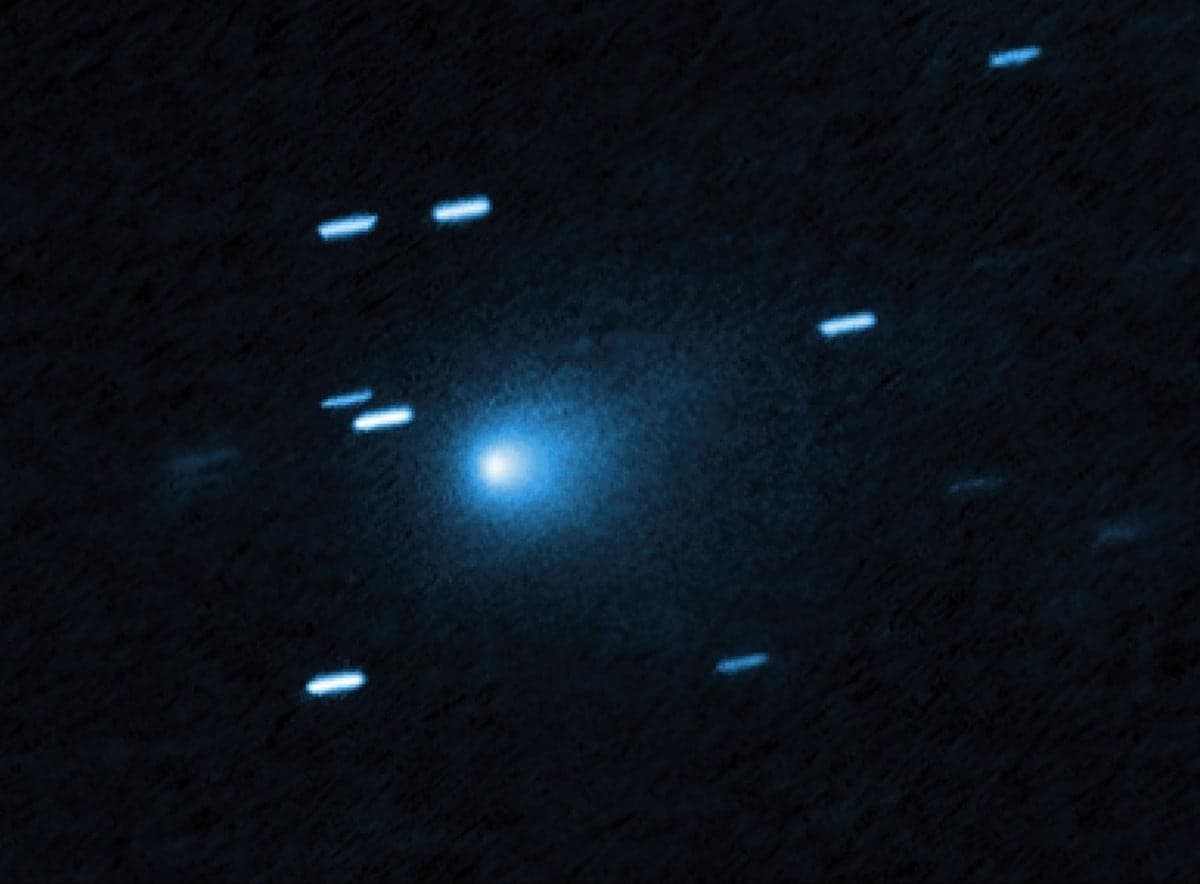
The biggest scientific story of the second half of 2025 revolved around a comet named 3I/ATLAS. It became only the third known interstellar object to pass through our solar system. First detected on July 1 by a telescope in Chile, the comet was quietly travelling through the Sagittarius constellation when astronomers noticed something unusual about its trajectory. Unlike typical comets, it was not captured by the Sun’s gravity and showed no sign of settling into an orbit. Instead, it was merely passing through.
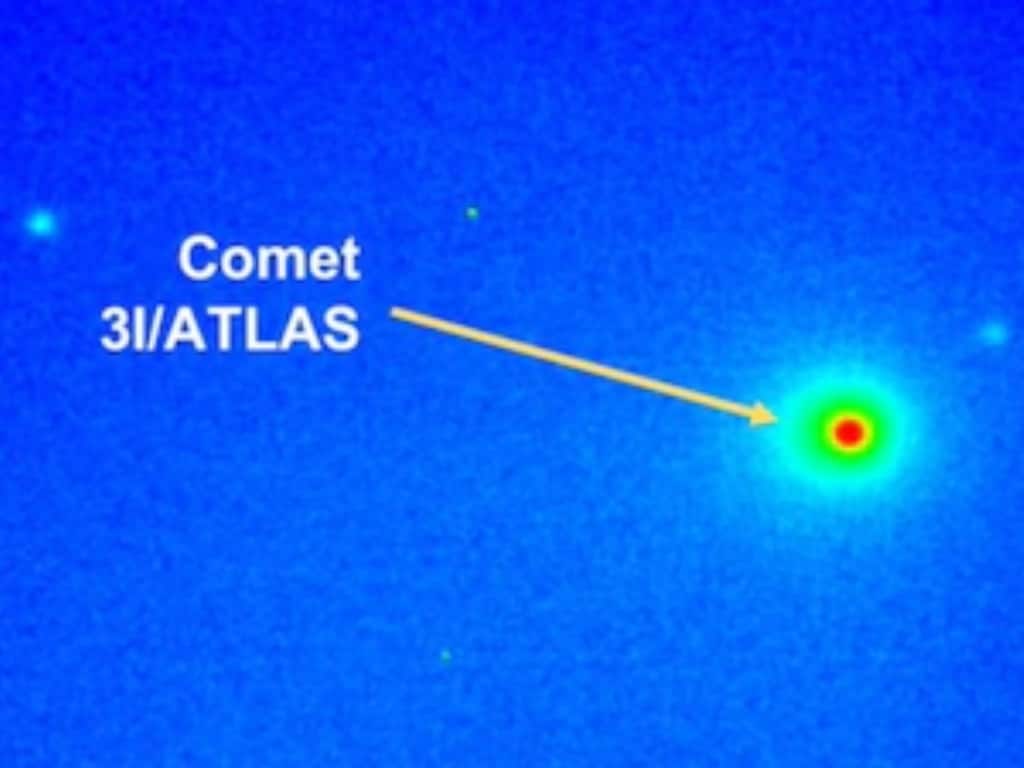
What truly astonished scientists was its speed. Travelling at nearly 58 kilometres per second, it was faster than any known comet within our solar system. Further studies revealed that the comet is older than the solar system itself and may have been drifting through interstellar space for millions of years! In September, it briefly disappeared behind the Sun, but both NASA and the European Space Agency continued to monitor it closely. Its chemical composition resembled that of local comets, though with slightly higher levels of carbon dioxide and an unusually high nickel-to-iron ratio, offering clues about the star system from which it originated. An anti-tail pointing towards the Sun was also observed. Scientists plan to continue studying it into 2026, though one thing is certain: it is not an alien spacecraft, merely a remarkable comet.

In another major breakthrough, scientists in 2025 identified what could be the largest black hole ever discovered. Located at the centre of a galaxy known as the Cosmic Horseshoe, the black hole is estimated to have a mass equivalent to 36 billion Suns. The galaxy’s distinctive horseshoe shape allowed researchers to measure the black hole’s mass with exceptional precision by analysing the speed of stars orbiting around it. This giant vastly outweighs Sagittarius A*, the black hole at the centre of the Milky Way, making our own seem insignificant by comparison. How such an enormous object formed remains a mystery, placing it among the most extreme objects ever observed in the universe.
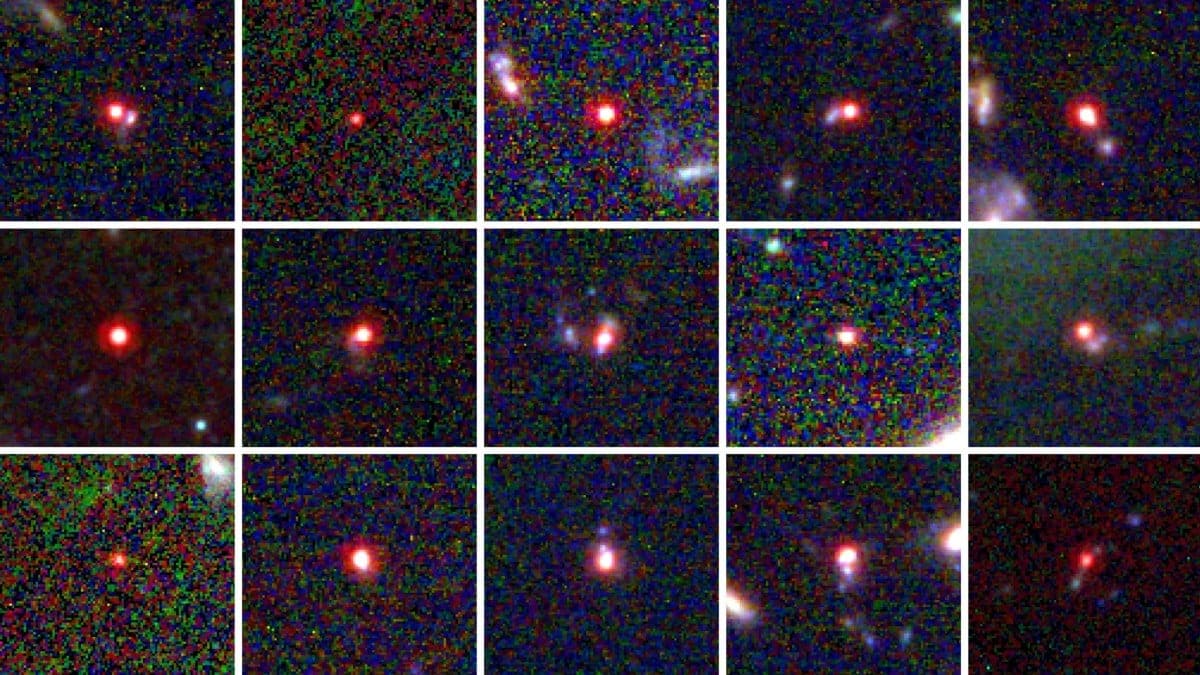
Meanwhile, the James Webb Space Telescope solved a long-standing puzzle that had baffled astronomers since 2022. It had been detecting strange red dots in deep space, initially thought to be small galaxies or star clusters. However, their brightness exceeded theoretical predictions, prompting speculation that existing models of physics might be incomplete. In September 2025, scientists proposed a breakthrough explanation: these red dots are black hole stars, massive black holes formed roughly a billion years after the Big Bang. They may have emerged from enormous clouds of collapsing gas or through the merger of multiple smaller black holes. This discovery reshapes our understanding of black hole formation and offers new insight into how the earliest galaxies came into existence.
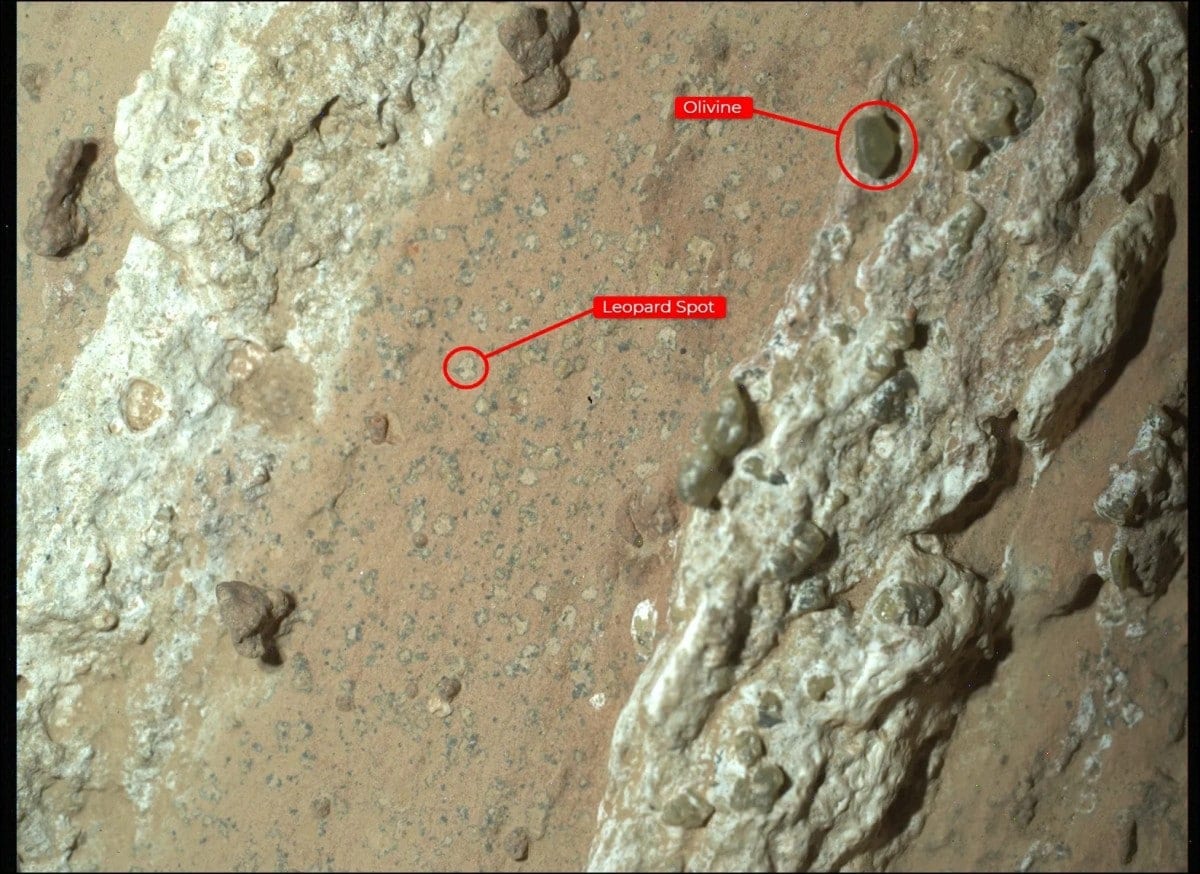
Another landmark moment came from Mars. In September 2025, NASA’s Perseverance rover made what is being described as the strongest evidence yet of ancient life on the Red Planet. The rover discovered light red spots surrounded by dark rings, dubbed ‘leopard spots’. On Earth, such formations appear only in the presence of bacteria or under extremely hot and acidic conditions. Since no signs of extreme heat were found at the site, scientists believe a biological process may be responsible.
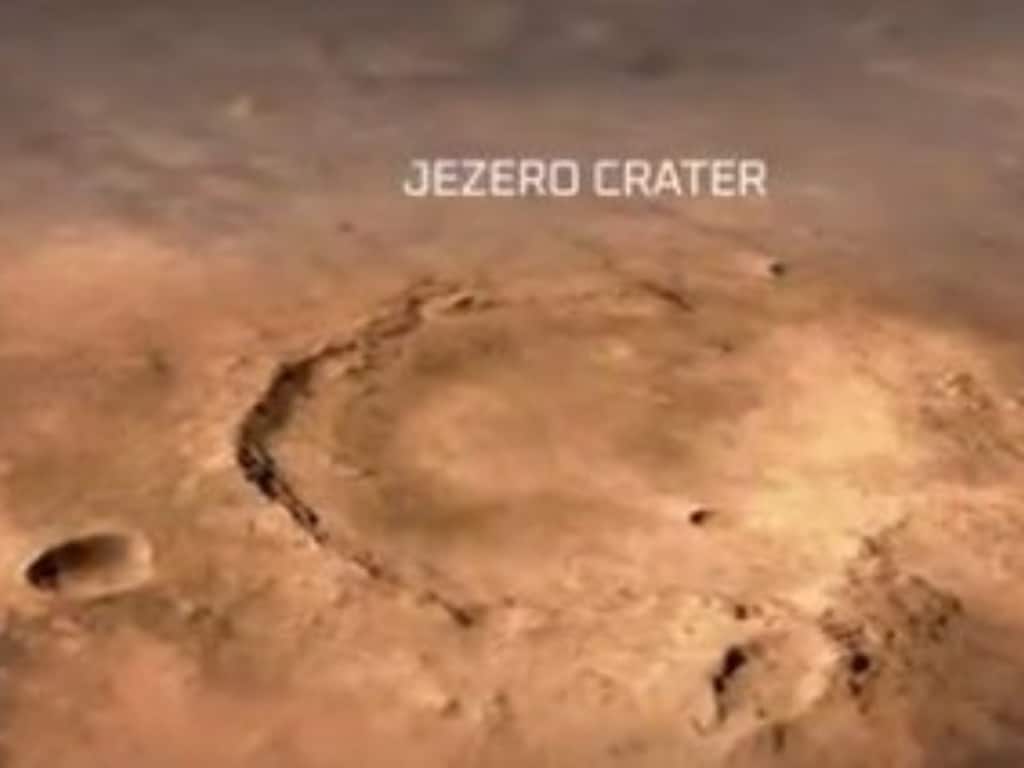
Organic molecules were also detected in the surrounding soil, though their exact nature is still being analysed. These findings suggest that Mars may have hosted life around 3.5 billion years ago, when the Jezero Crater was filled with water. The site has now become a focal point for future exploration.
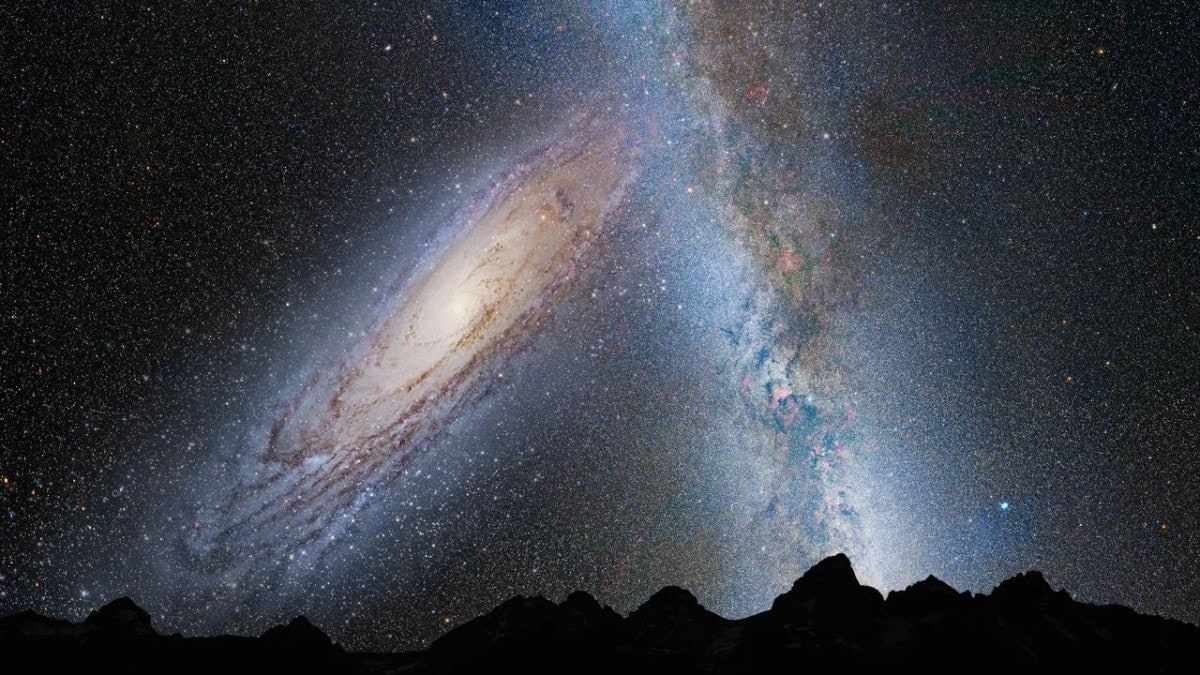
Long-held beliefs about the fate of our galaxy were also challenged in 2025. For decades, astronomers predicted an inevitable collision between the Milky Way and Andromeda. However, new research suggests there is only a 50% chance of such a crash. Using advanced computer simulations, scientists showed how nearby galaxies influence this outcome. The Large Magellanic Cloud is tugging the Milky Way off course, while the Triangulum Galaxy is altering Andromeda’s path. If the two galaxies pass within 650,000 light years, a collision is likely; if not, they may simply drift past one another. This means a collision is no longer guaranteed within the next 10 billion years.
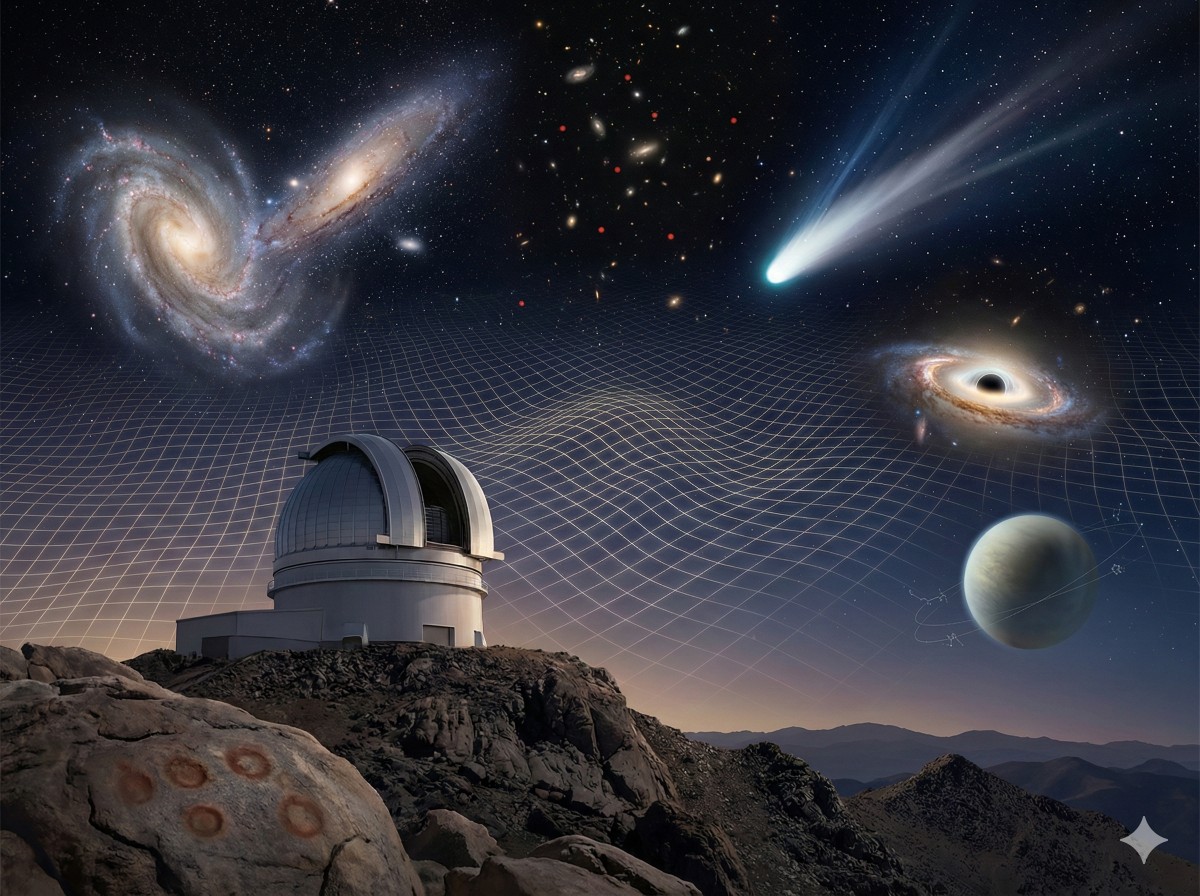
Several other discoveries marked 2025 as a landmark year for astronomy. Data from the Dark Energy Spectroscopic Instrument (DESI) revealed that dark energy, the force driving the universe’s accelerated expansion, is weakening. Previously thought to be constant, DESI’s findings suggest dark energy began declining around 4.5 billion years ago, after remaining strong for nearly 9 billion years. This phenomenon has been termed phantom dark energy.
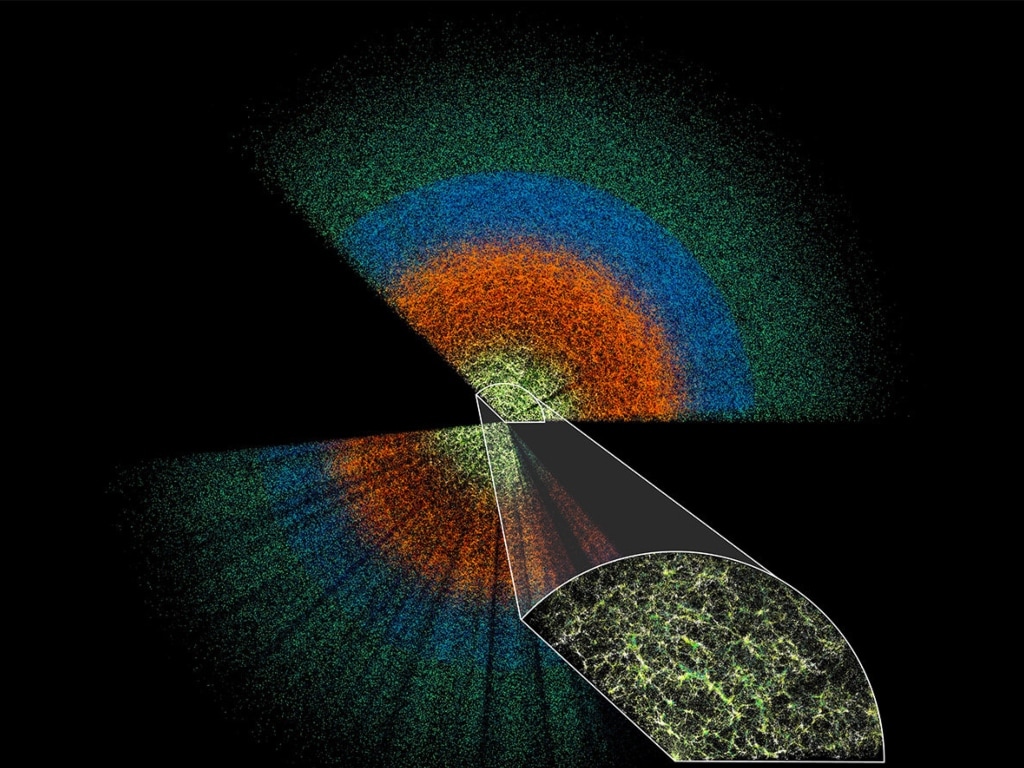
In March, DESI also released the largest-ever 3D map of the universe, charting 13 million galaxies and 4 million stars.
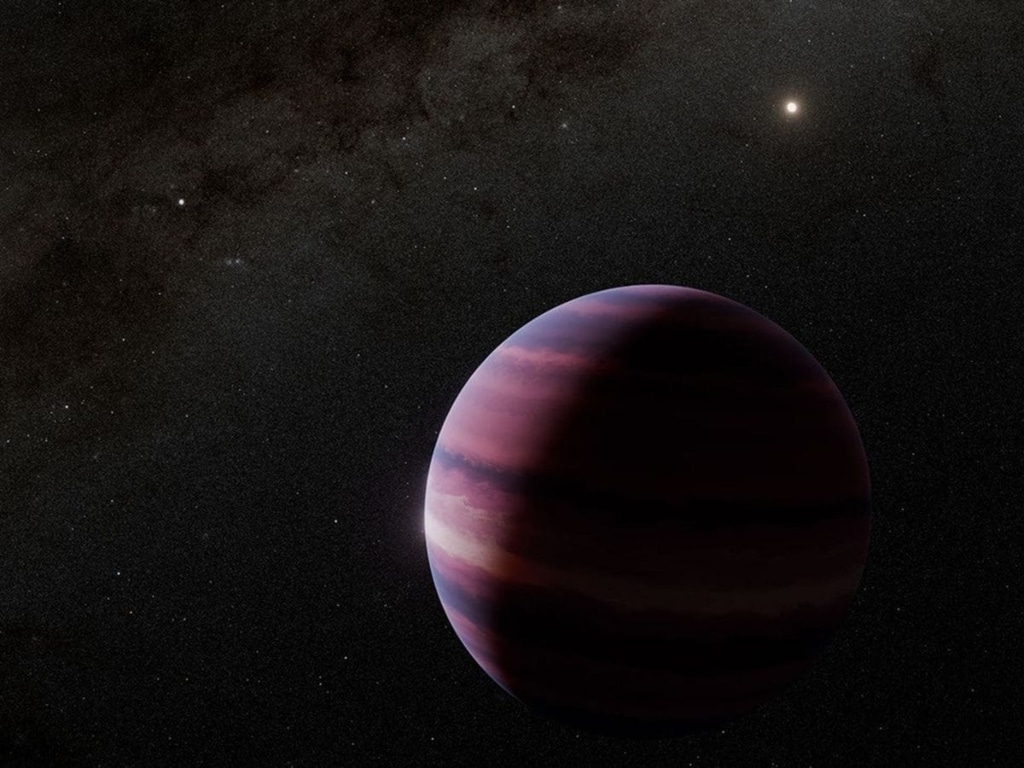
The search for nearby planets also made progress. In March 2025, astronomers confirmed the existence of four planets around Barnard’s Star, ranging from one-fifth to one-third the mass of Earth. While their close proximity to the star makes life unlikely, the discovery marked a major step forward. In August, evidence emerged of a planet orbiting Alpha Centauri A, detected using the James Webb Telescope. Roughly the mass of Saturn, the gas giant follows a highly elliptical orbit, reinforcing the idea that planets are widespread throughout the universe.
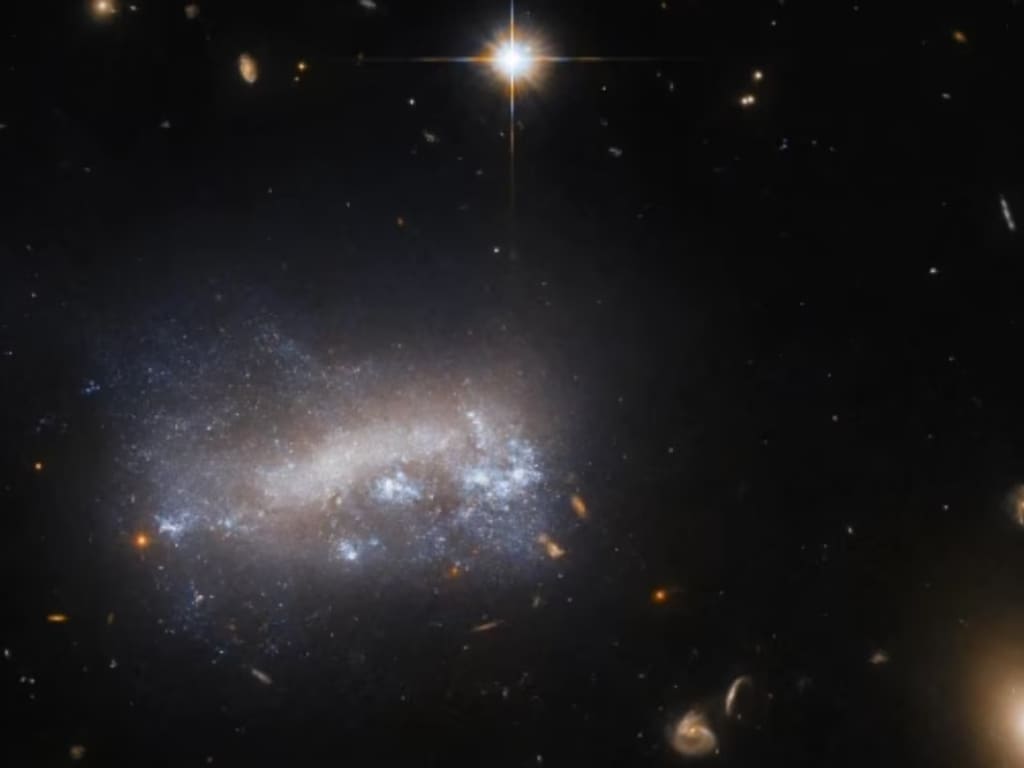
Finally, after a decade of preparation, the Vera C. Rubin Observatory in Chile began operations in the summer of 2025. Equipped with an 8.4-metre Simonyi Survey Telescope and the world’s largest 3.2-gigapixel camera, it delivered breathtaking first images, including a detailed view of the Virgo galaxy cluster with millions of faint background galaxies. The observatory will collect 20 terabytes of data every night, issue alerts for up to 10 million cosmic events daily, and gather 60 petabytes of data over the next decade, ushering in a new era of discovery.