This post was originally published on here
A scientist explains the small lifestyle changes that’ll make a big difference to your health
Researchers from Newcastle University have found that even short bouts of exercise can protect against bowel cancer, which is the fourth-most common cancer in the UK, accounting for 11 per cent of all new cancer cases. There are 42,900 people diagnosed in the UK every year – that’s nearly 120 each day.
The scientists discovered that exercising for just 10 minutes a day could halt bowel cancer growth and speed up DNA damage repair. They collected blood samples from 30 overweight or obese, but otherwise healthy, men before and immediately after a 10-12 minute exercise session – in this case in the form of a cycling test.
When these exercise-induced molecules were applied to bowel cancer cells in the lab, researchers found the activity of 1,364 genes was altered, including those involved in DNA repair, energy production, and cancer cell growth.
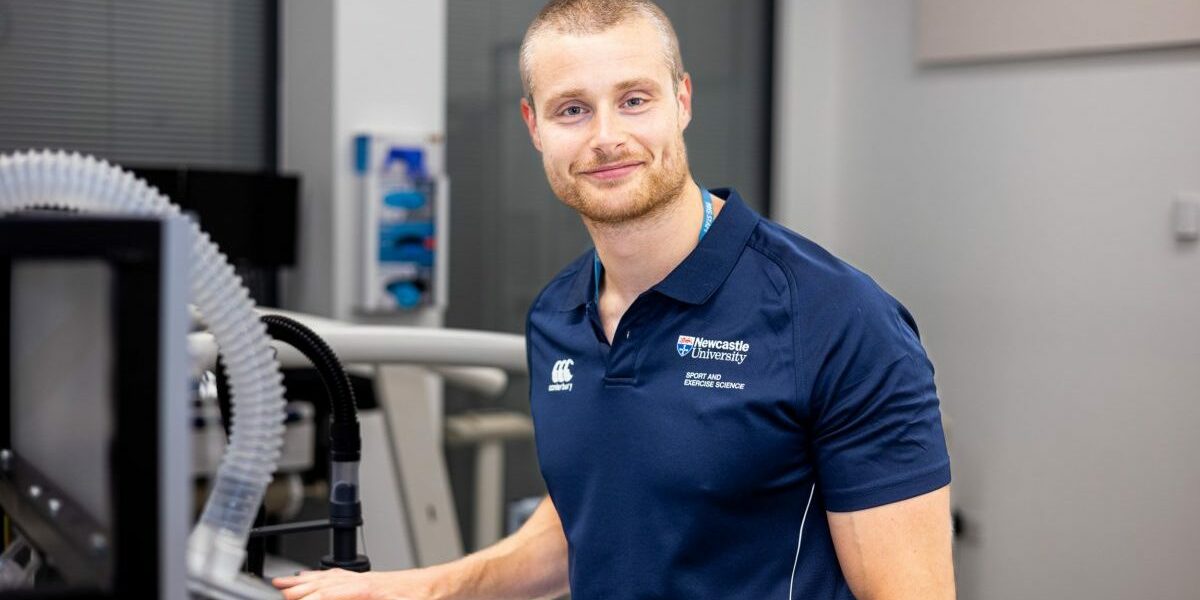
Here, Dr Sam Orange, an expert in exercise physiology at Newcastle University, who led the study, explains how to make the most of this research to reduce your risk of bowel cancer and other serious illnesses.
Any movement is better than nothing
When you look at the evidence, the greatest health benefits come from the change from doing nothing to doing a little bit. The more you do, the health benefits still increase, but that first leap from nothing to something has the biggest impact.
So, if you’re not a very active person, that’s all the more reason to start doing something today, and you’ll be reducing your chances of developing bowel cancer. What I always say is: “Any movement is better than nothing, and more is usually better.”
There’s good evidence that reducing your sedentary time – time spent sitting down – throughout the day, can be beneficial for general health. And each time you’re active at a certain intensity, this will trigger the release of these bioactive molecules into the bloodstream that can have various beneficial effects, one of which is to be able to either prevent or slow down the progression of certain cancers.
Playing with your children counts as movement!
Even five to 10 minutes of vigorous movement a day can help, and it doesn’t necessarily need to be structured exercise. It can be things like energetically playing with your children, or walking uphill briskly, or walking up the stairs.
Just those five minutes can reduce the risk of getting cancer, and also dying from cancer. Each time you’re playing with your children – chasing them, or dancing, or playing any movement-based games – you’re priming your body to be resilient to disease. Cancer, definitely, but also diabetes, heart disease, and other serious illnesses.
Aerobic exercise is the best for reducing cancer risk
I’m a scientist, and I follow the evidence, and the evidence is strongest at the moment in aerobic exercise. From what we’ve found so far, the optimal type of activity for 10 minutes per day to reduce bowel cancer risk and slow the growth of tumours, is a higher intensity aerobic-type exercise – cycling at high intensity, walking upstairs for 10 minutes, jogging for 10 minutes.
This is partly because this improves our fitness, and also because this stimulates the kind of molecular response in the body that can help fight cancer.
There are certainly benefits of strength exercise, and it’s almost certainly beneficial for cancer prevention too, but the evidence isn’t quite there yet in our researching. Aerobic exercise is the one we’ve got evidence for so far.
It’s never too late to start moving
At any age, short, vigorous bursts of movement will help reduce the risk of bowel cancer. If you’re older and have never been very active, it’s still very much worth moving now – whether it’s walking, or gardening, or cleaning. It’s always beneficial to move.
You don’t have to be young, or “sporty”. Whatever your stage of life, being less sedentary will have genuine impact.
Small choices will contribute to your longevity
Being active and moving our bodies is one of, if not the, most powerful things we can do to improve our health and live longer, healthier lives. It doesn’t matter if you don’t want to go out for a jog for 60 minutes every day, but each decision that you make to be active will help.
Take the stairs instead of the escalator, walk to the shops instead of driving. Anything where you can move, instead of stay still, is worth doing and will contribute to your longevity. Every single workout can make a difference.
Your next read
There’s hope for new cancer treatments, too
One of the beauties about this research is that it’s potentially applicable to quite a few cancers, because we think there might be something in the way exercise might be able to repair damaged DNA.
Many cancers in many organs develop and then progress from constant DNA damage, which then increases the rate of genetic mutations in the cancer, which then allows the cancer to grow, develop and eventually spread. So we think if we’re able to restrain some of the DNA damage, we can then restrain the growth and spread of the cancers.
Our findings show that exercise is the main thing that helps with this. Understanding these mechanisms better could help develop more precise exercise guidelines for cancer prevention. It could also help develop drug treatments that mimic some of the health benefits of exercise.