This post was originally published on here
The historic Somnath Temple in Gujarat is currently hosting the Somnath Swabhiman Parv, a grand festival commemorating the temple’s resilience over a thousand years. As part of the celebrations, a 72-hour uninterrupted Omkar mantra chanting has been organised, involving thousands of devotees and spiritual practitioners. Prime Minister Narendra Modi himself is scheduled to join the chanting session, underscoring the importance of this ancient practice in India’s cultural revival. But beyond its spiritual significance, Omkar chanting has attracted scientific interest. Researchers have studied its effects on stress, mental health, and physiology. Here’s what science says.

Studies show that chanting “Om” produces a vibration that resonates through the body, particularly affecting the vagus nerve, which regulates relaxation responses. Controlled breathing during chanting slows the respiratory rate, leading to reduced pulse and calmer cardiovascular activity. This physiological shift mirrors the effects of meditation and deep breathing exercises, both proven to reduce stress.
Stress activates the sympathetic nervous system (fight-or-flight mode). Omkar chanting, however, stimulates the parasympathetic nervous system (rest-and-digest mode). A review of Omkar interventions found measurable reductions in stress markers, including cortisol levels, when participants engaged in regular chanting. This activation helps the body recover from stress and promotes relaxation.

Chanting Om involves rhythmic repetition, which quiets the mind and reduces intrusive thoughts. Neuroscientific studies suggest that mantra repetition enhances alpha brainwave activity, associated with calmness and focus. This makes Omkar chanting a useful tool for students, professionals, and anyone dealing with mental fatigue.
Clinical studies have shown that Om chanting can reduce symptoms of anxiety and depression in both clinical and non-clinical groups. The sound vibrations create a meditative state, which helps regulate mood and emotional stability. Participants often report feeling lighter, more positive, and less burdened after chanting sessions. (Image: Pexels)
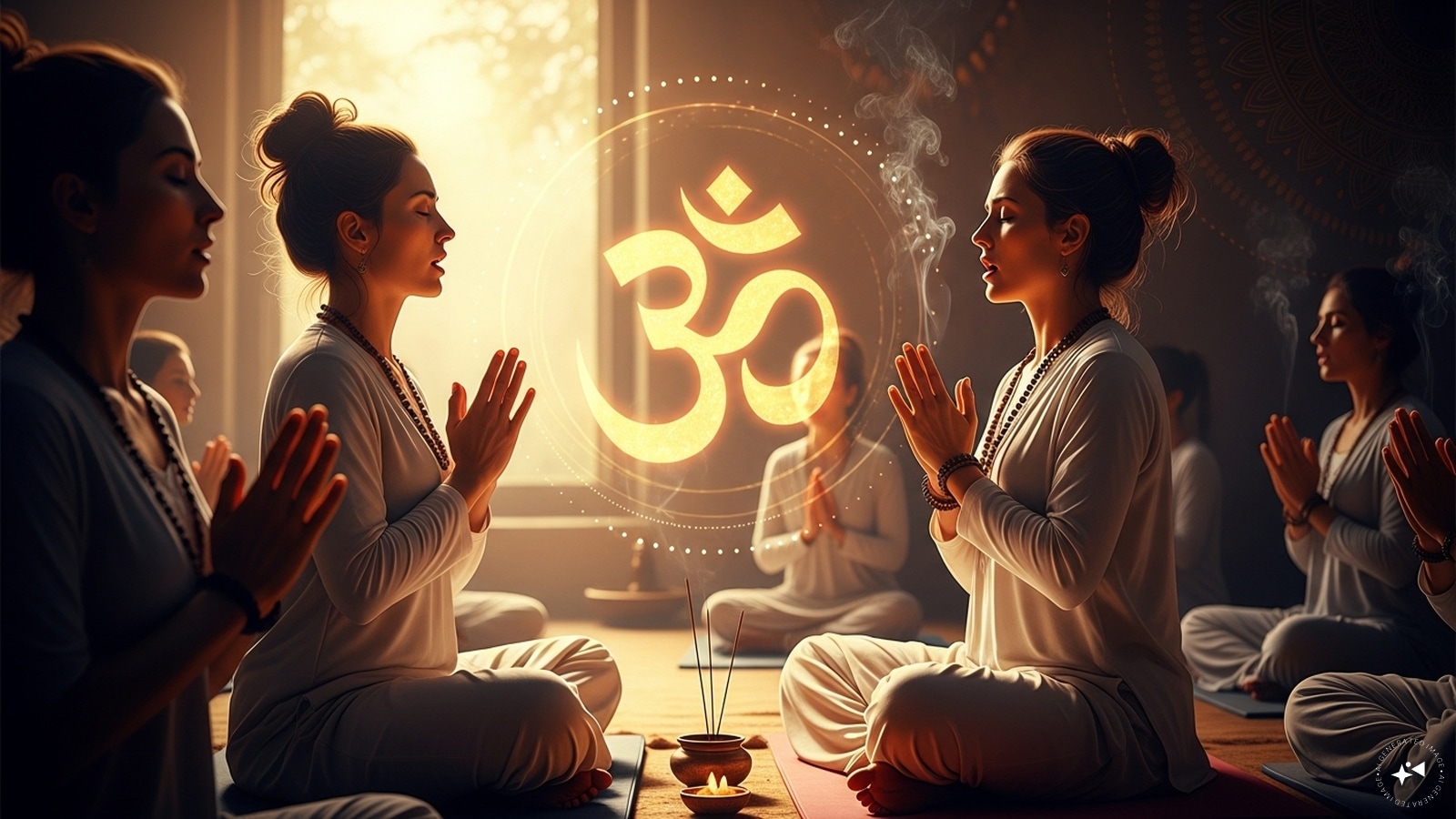
Stress often leads to emotional instability. Chanting Om helps regulate emotions by balancing activity in the limbic system, the brain’s emotional centre. Practitioners report greater patience, tolerance, and resilience in daily life. This emotional balance is crucial in high-pressure environments, from workplaces to personal relationships. (AI-Generated)

A narrative review of Omkar chanting highlights its holistic impact – mental, emotional, and physical. Regular practice improves sleep quality, reduces fatigue, and enhances energy levels. It is not just a stress-reduction technique but a lifestyle practice that contributes to long-term well-being. (Image: AI-Generated)
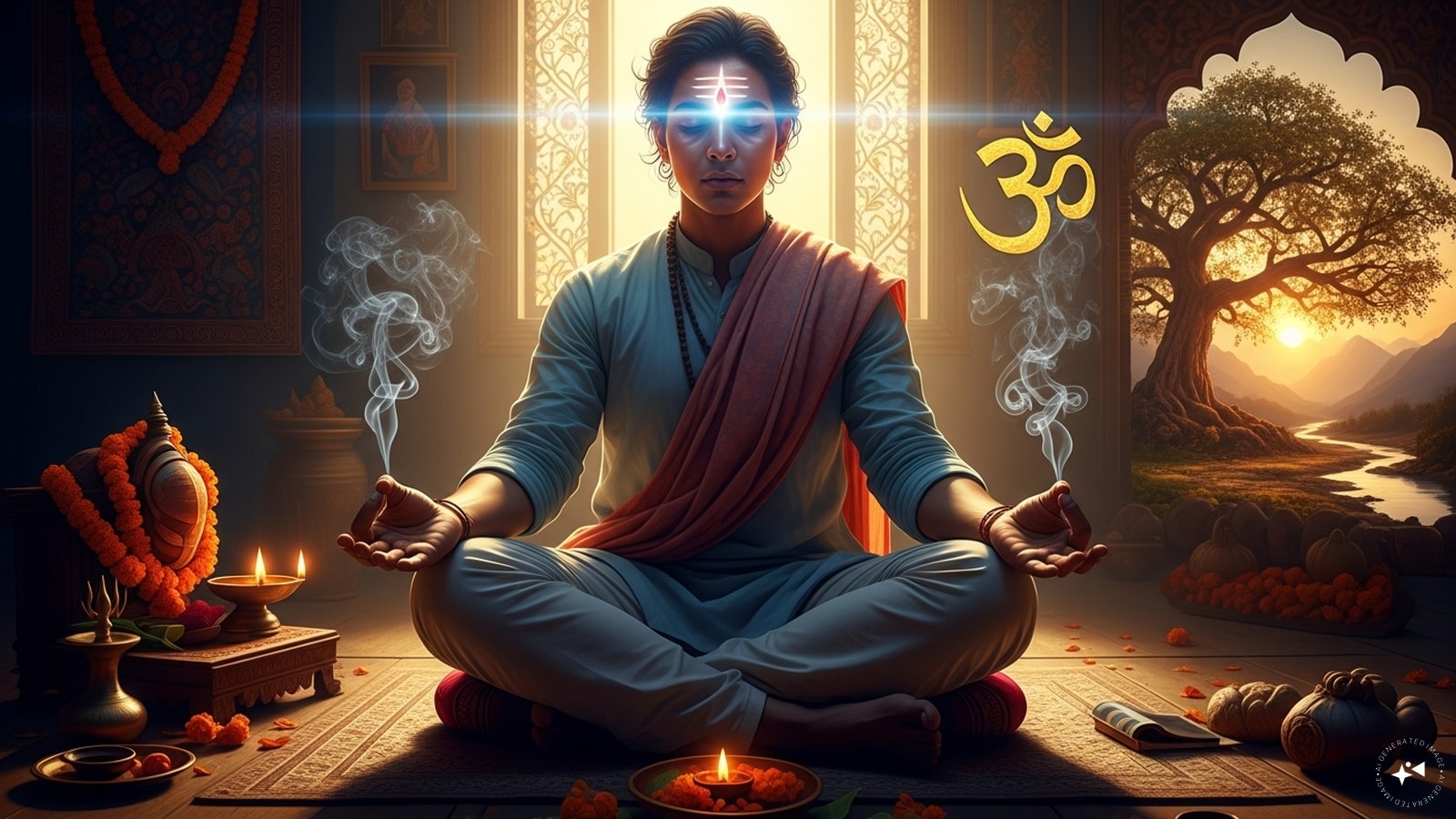
Unlike complex meditation techniques, Omkar chanting is simple and requires no special equipment. It can be practiced individually or collectively, as seen at Somnath where thousands chant together, creating a powerful collective energy. This accessibility makes it a practical stress-management tool for people across age groups and backgrounds. (Image: AI-Generated)