This post was originally published on here
A Durban school teacher has encouraged learners to take up science because it is challenging, empowering, and far more interesting than they often expect.
Doctor Fadeela Kirsten, head of Maths and Science at Hillview Secondary, suggested the call for volunteers to join the Durban Natural Science Museum training programme in February 2026.
The eThekwini Municipality is encouraging people to turn their passion for science into purpose.
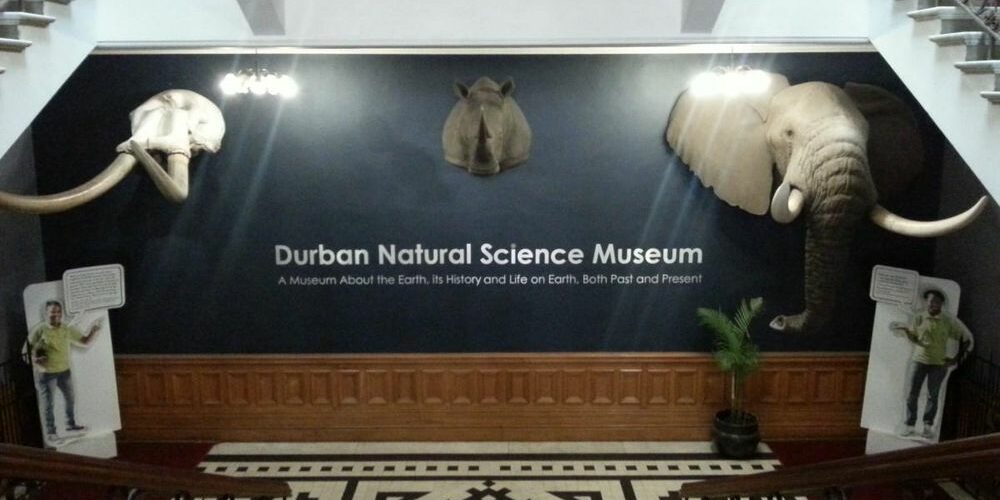
The museum, situated on Anton Lembede Street in the Durban CBD, is looking for energetic and knowledgeable natural science enthusiasts who reside within eThekwini to be part of the 2026 volunteer programme.
Eligible candidates should have a qualification or interest in the fields of conservation, tourism, and marketing. Volunteers will have the opportunity to participate and make a contribution to the various projects of the Durban Natural Science Museum.
This includes working in one of the departments, assisting visitors with information, and making their visit to the museum enjoyable and informative.
To qualify, you must be 18 years or older, have a matric with Life Sciences and Biology. A qualification or experience in the fields of conservation, travel and tourism, marketing, and/or education is preferred. Application forms are available at the museum.
Kirsten, from the perspective of a high school science teacher, said she witnessed firsthand how curious and capable her learners truly are.
“Science gives that curiosity direction and purpose. It is not just about passing exams or memorising formulas. Science is about understanding yourself, your body, your environment, and the world you live in,” she said.
Kirsten said that Life Sciences makes learning meaningful because it connects directly to everyday life.
She said that learners discover how the human body functions, how plants and animals survive, how diseases spread, and how human actions affect the environment.
“These topics spark curiosity and encourage learners to ask important questions about health, sustainability, and the future of our planet. Physical Sciences is just as exciting. It explains how things move, how energy is transferred, how electricity powers our lives, and how chemical reactions occur. Learners begin to understand the science behind technology, transport, and innovation that shape the modern world,” she explained.
Kirsten added that both Life Sciences and Physical Sciences develop critical thinking, problem-solving, and perseverance. Learners learn that making mistakes is part of learning and that questioning is a strength.
She said that these subjects open doors to many careers, including medicine, engineering, environmental science, technology, and research.
“Even for those who do not pursue science careers, science education builds informed, responsible citizens. I encourage learners to take up science because it is challenging, empowering, and far more interesting than they often expect,” she emphasised.