This post was originally published on here
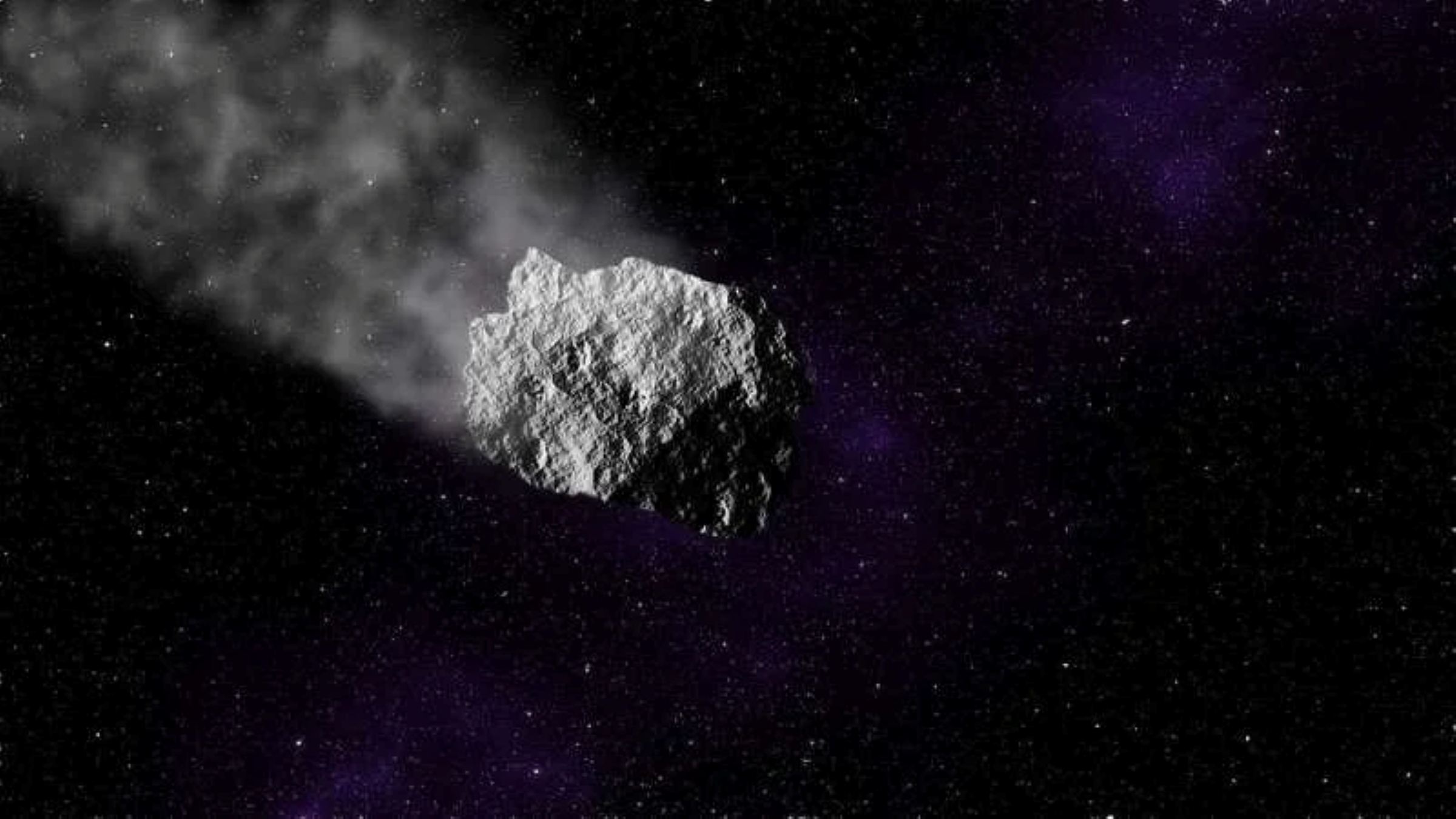
Scientists expect a sharp increase in the discovery of near-Earth asteroids as the next generations of astronomical survey facilities come online.
That includes detection of objects that could potentially collide with Earth.
Rapidly characterizing these objects after discovery is critical, and a new instrument being created for NASA Infrared Telescope Facility atop Mauna Kea on the Big Island will do exactly that.
The instrument — called Spectre — will rapidly gather spectroscopic observations to determine the composition, size and mass of asteroids on short timescales.
Many newly discovered asteroids are faint, fast-moving and initially difficult to pinpoint, making fast and efficient observations essential for understanding their physical properties and potential risks.
“Spectre is designed to respond quickly to new asteroid discoveries and capture a broad range of wavelengths at the same time,” said NASA Infrared Telescope Facility Deputy Director Warren Skidmore in a story about the new technology on the Maunakea Observatories website. “That ability allows us to determine what these objects are made of while the opportunity to observe them is still available.”
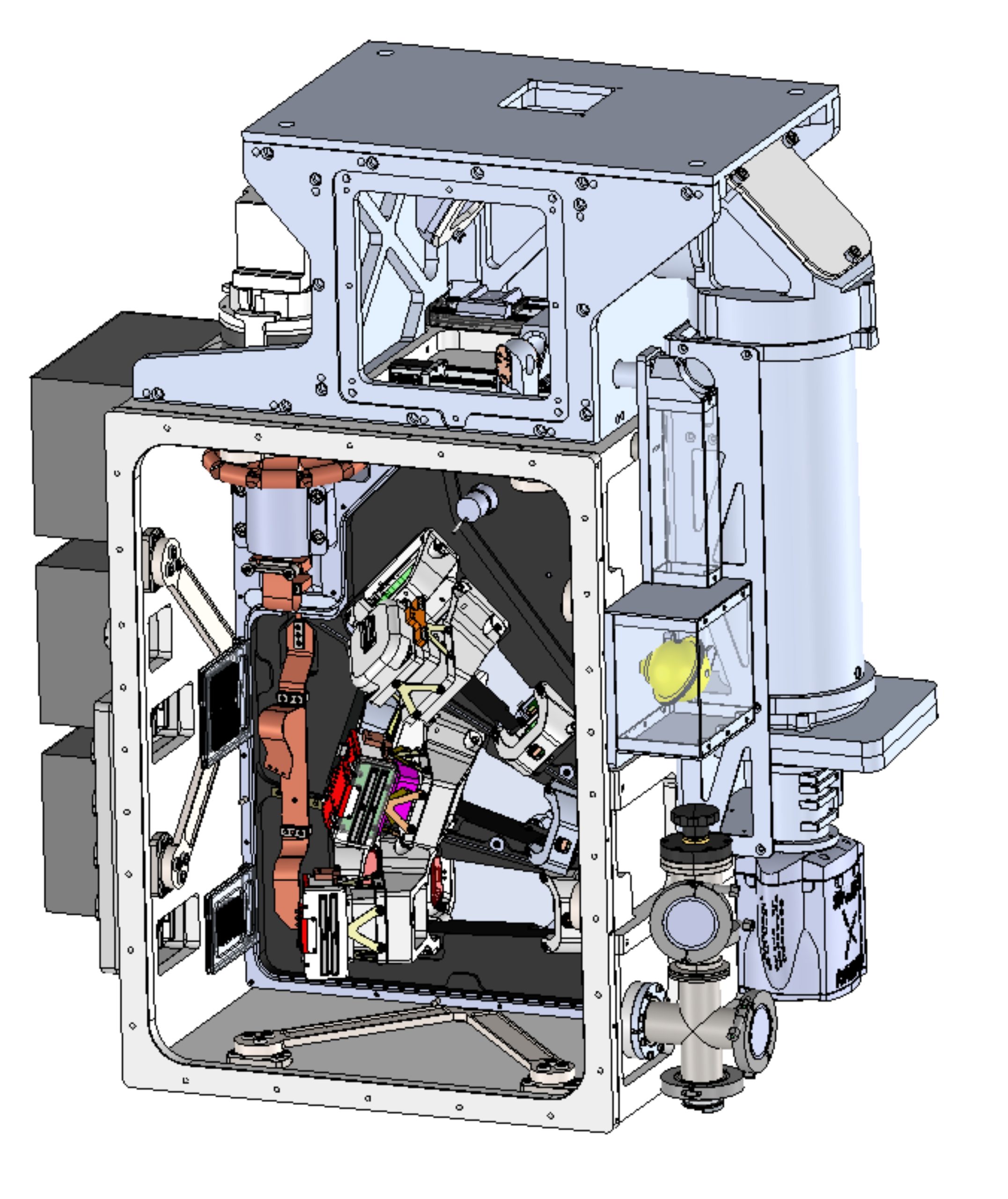
Spectre achieves this capability through a combination of wide wavelength coverage and its design as an integral field spectrograph.
The unit will provide detailed spectral fingerprints that reveal asteroid surface materials, space weathering effects and signs of hydration by observing light from the optical through thermal infrared wavelengths.
It simplifies observations, supports accurate flux calibration and enables more precise spectra, helping scientists better understand the asteroid-meteorite connection and how these objects evolve through time.
At the heart of Spectre is a compact vacuum-sealed structure housing three spectrographs — one optical and two infrared — kept at cryogenic temperatures of about 292 to 328 degrees below zero.
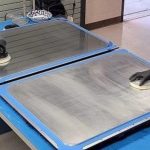
Preparing this outer vacuum jacket is a critical step in the instrument’s performance, with the interior of the jacket carefully polished.
“Everything inside the vacuum jacket is cooled to extremely low temperatures, so even small amounts of infrared heat can impact performance,” Skidmore said. “By polishing the interior surfaces, we significantly reduce the infrared flux entering the instrument, which improves the quality of the data we can collect.”
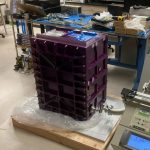
The instrument’s distinctive purple vacuum jacket also became a recognizable feature during its development.
The color choice — affectionately referred to as “plum crazy” — came about during a last-minute decision when engineers were unable to settle on a single color. The bold shade — made iconic through Mopar muscle cars in the 1970s — quickly became part of Spectre’s identity.
The name Spectre also carries its own story.
Computers operating Spectre are given themed names, as with many of their counterparts at NASA Infrared Telescope Facility.
One of those computers will be called Oddjob, a reference to actor Harold Sakata, who portrayed the character in the James Bond film “Goldfinger” and was also an Olympic weightlifter from Kona on the west side of the Big Island.
The name Spectre was selected as a fitting and playful nod to that connection — and with a shared appreciation for Bond films among NASA Infrared Telescope Facility staff.
Major components of Spectre already arrived in Hilo, including the completed vacuum jacket. Integration and testing will take place at the Institute for Astronomy facilities before the instrument is installed at the NASA telescope facility on Mauna Kea.
First light for the innovative new instrument is anticipated in 2028.
Spectre — once operational — will play a key role in near-Earth object science and planetary defense efforts, while also enabling rapid characterization of supernovae and other transient events discovered by all-sky surveys.
It not only will deepen mankind’s understanding of small bodies in our solar system, but also the explosive phenomena beyond it.