This post was originally published on here
The following contains spoilers for Greenland 2: MigrationGreenland 2: Migration couches its post-apocalyptic journey in real-life science, even if isn’t the most accurate approach. The sequel to 2020’s Greenland brings back John Garrity and his family, a couple of years after a massive comet collided with the Earth and wiped out most natural life on the surface.
What made that film memorable was the way it approached a disaster movie concept from a fairly grounded perspective, with more time spent on humanity’s response than the actual science of the situation. The sequel goes bigger with the spectacle, however, taking cues from real-life theories more so than utilizing hard science.
Greenland 2: Migration’s Weird Weather Is Too Extreme For Real Life
Greenland 2: Migration uses the fallout of a comet crashing into the Earth to explain the societal collapse around the world, taking inspiration from real-life phenomena while pushing them to unrealistic extremes. The world of Greenland was radically changed in the first film when a comet collided with the Earth.
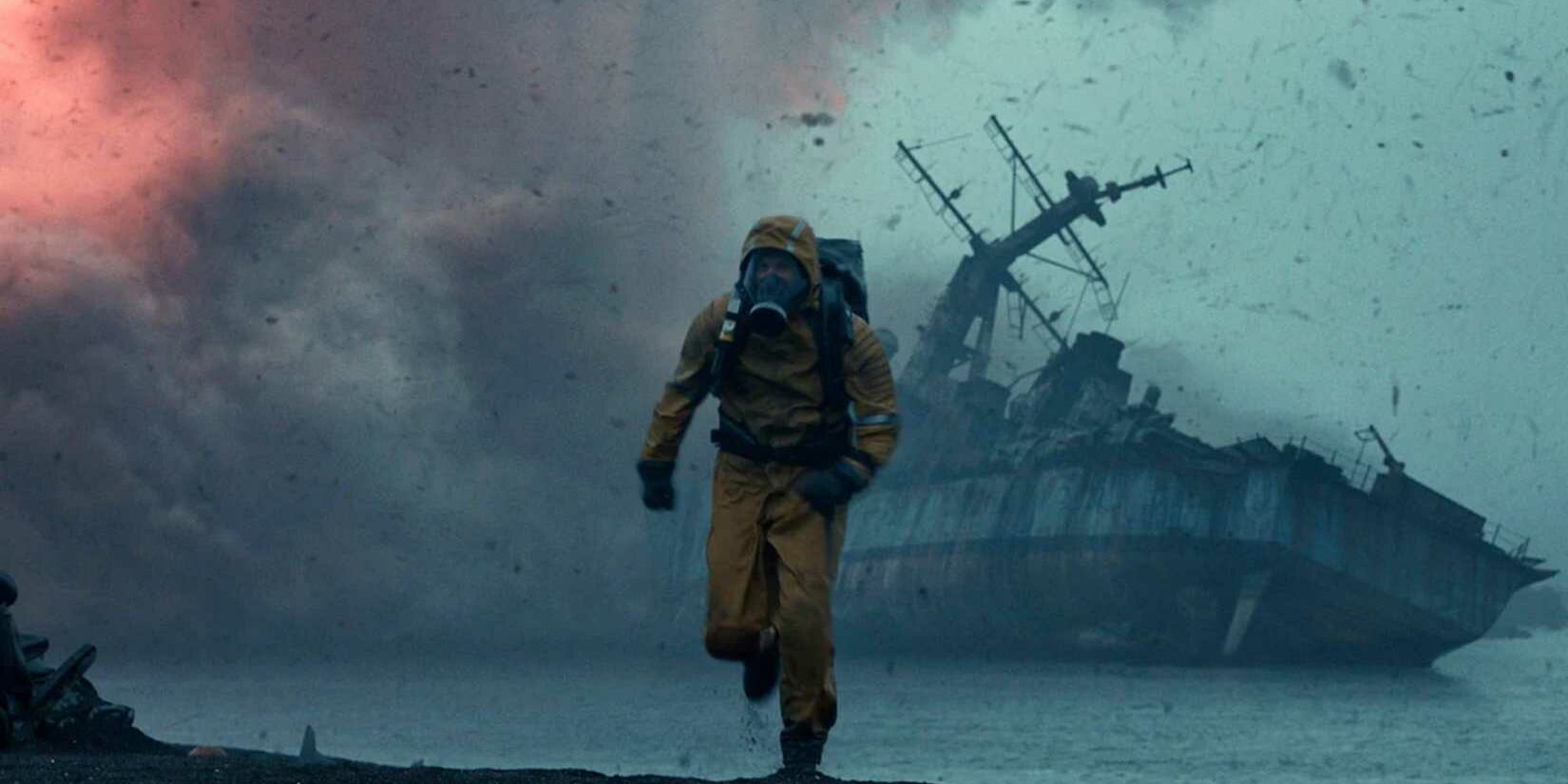
In the five years that have passed since then and Greenland 2: Migration, the world has experienced a serious rise in surface radiation and extreme weather patterns. While humanity has survived thanks to shelters, only pockets of civilization remain and now must contend with sudden tectonic shifts and massive radiation storms.
These beats aren’t exactly scientifically accurate, however. These events are played up for dramatic purposes, as a real-life event similar to Greenland wouldn’t feature so many quickly paced ecological dangers. Radiation storms wouldn’t form suddenly; this plot beat, used to endanger the Garrity family multiple times, is very unrealistic.
The inciting incident of the sequel is a massive earthquake, caused by tectonic shifts spurred on by the comet’s impact. However, these shifts (and their related earthquakes) would unfold slowly over thousands of years, rather than taking immediate effect. The ecological changes are extreme, to the point of being unrealistic.
Likewise, large bodies of ocean, like the English Channel, would not be simply reduced to a trench by a comet crash. The oceans are too large for any comet to fully disrupt the entire ecosystem. While the waters may be impacted and the depth would be spread out, this scene is also unrealistic.
The real draw of the major catastrophe in Greenland 2: Migration is seeing the fallout on humanity as a whole. The more compelling tension in the film comes from the Garrity family trying to deal with other people, whether that be raiders in the wilderness, soldiers in the ruins of a city, or civilians caught in the crossfire.
In that context, the extreme weather conditions are a good way to raise tensions and force people to take extreme measures to survive. It gives the people around the Garrity family cause to be desperate, and increases the stakes for any potential encounter when extreme weather could suddenly arise and kill them all.
Greenland 2: Migration’s Comet Concept Is Based On Theories
One of the more interesting elements of Greenland 2: Migration is the idea of the Clarke Crater. It’s theorized early in the film that, while the Clarke Comet devastated the world at large when it hit the Earth, the actual site of impact in Southern France might actually be healing at an extreme rate.
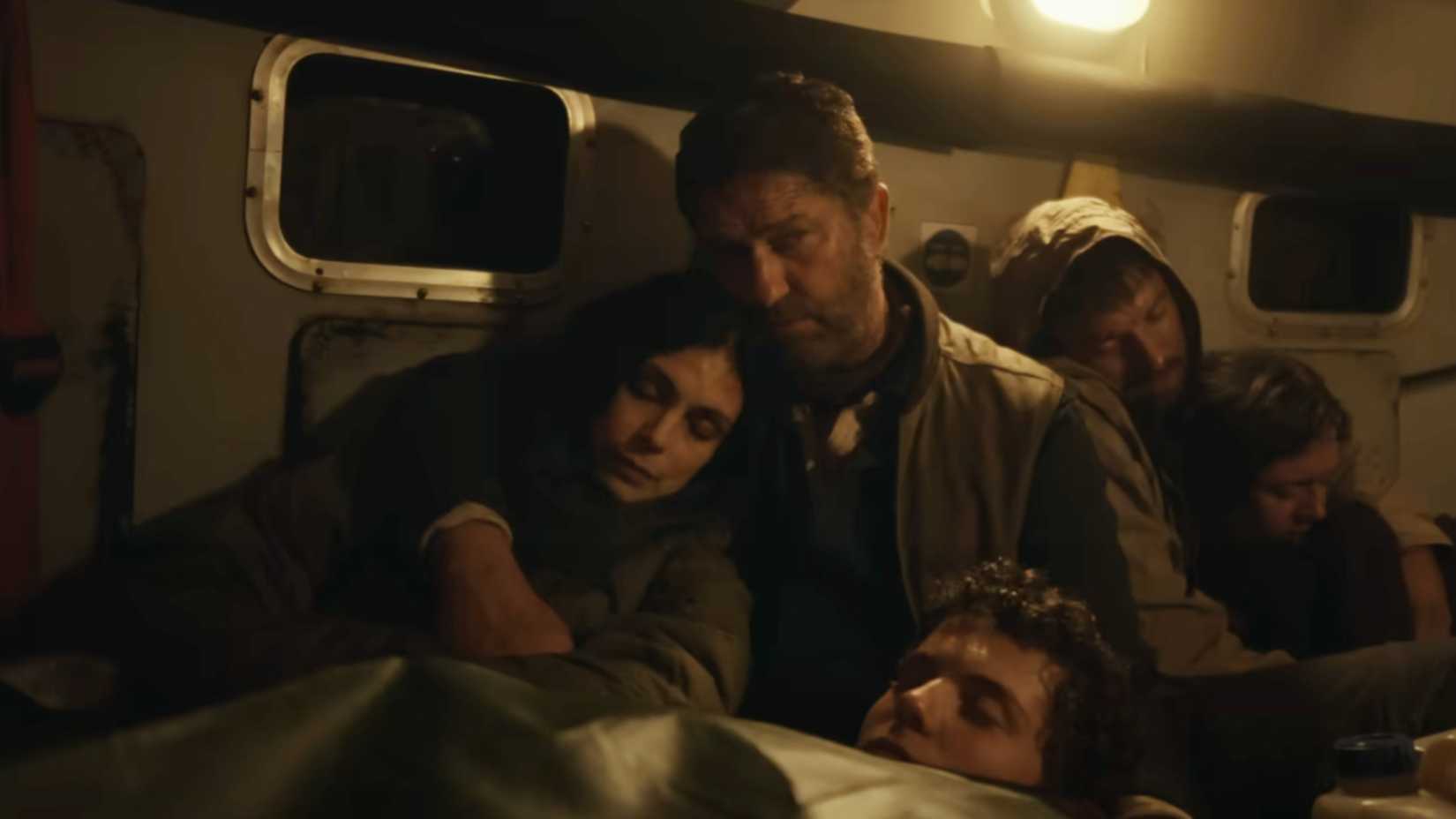
Most of the film is spent with the Garrity family trying to reach the crater, reasoning that Dr. Aminary’s theory at least gives them some prospective hope. It’s also ultimately proven true, as they eventually reach the crater and discover a bountiful space with green fields and clear signs of hospitable life.
The extreme rate of natural growth in the Clarke Crater is unrealistic, given just how lush the space seems in comparison to the rest of the world. However, the science behind the idea is couched in real-life theories. Some scientists theorize that impact craters can actually become fertile spaces with their own microclimates.
Scientists even speculate that this happened in real life with the Chicxulub meteor. The meteor that wiped out the dinosaurs also seemingly carried microorganisms when it landed near Yucatan, seeding the area with new life that could adapt and adjust to the planet — eventually leading to our current version of Earth.
While the extreme speed by which this change happens is unrealistic in the film, it does show that Greenland 2: Migration‘s filmmakers were intrigued by the real-life fallout of celestial bodies hitting the Earth. While the science in Greenland 2: Migration is severely sped up for dramatic effect, it does pull from real-life inspirations.