This post was originally published on here
NEED TO KNOW
-
Scientists have discovered poisonous arrowheads from approximately 60,000 years ago in South Africa
-
This makes the specimens the oldest known use of poisonous arrows on earth
-
The study’s authors said the findings provide new insight into the cognitive abilities of early humans
Scientist have found poisonous arrowheads from approximately 60,000 years ago in South Africa — meaning that humans were using sophisticated hunting tools thousands of years before previously thought.
The findings come from a study recently published by researchers from Sweden and South Africa in ScienceAdvances, a peer-reviewed journal that publishes findings across all major scientific disciplines.
Advertisement
Advertisement
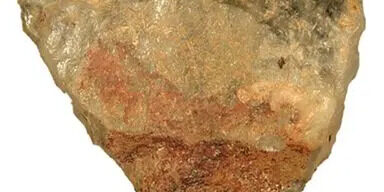
The arrowheads were made from quartz and were found in the Umhlatuzana Rock Shelter in the province of KwaZulu-Natal, per the study.
Marlize Lombard/University of Johannesburg
Quartz arrowhead discovered in South Africa
The study’s authors further stated that the poison found in the artifacts would not have killed prey instantly, but rather slowed prey down, thereby making the animal easier to catch. They noted that this suggests that hunters in the Pleistocene era — a period marked by multiple ice ages — displayed “cognitive complexity,” as well as nuanced hunting strategies.
Prior to this find, the earliest known poisonous arrows were identified in specimens from the mid-Holocene period, which was about 4,000 to 8,000 years ago, in both Egypt and South Africa.
Never miss a story — sign up for PEOPLE’s free daily newsletter to stay up-to-date on the best of what PEOPLE has to offer, from celebrity news to compelling human interest stories.
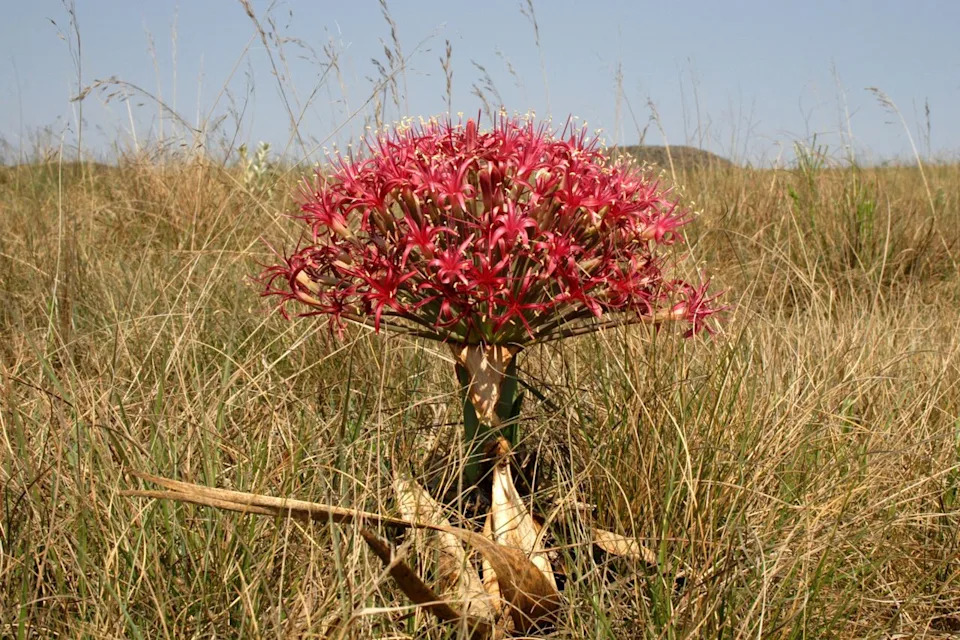
The researchers stated that the poison used in the arrows came from the bulb of a local herb called Boophone disticha (b. disticha), a highly toxic flowering plant native to southern Africa. The toxin has also been positively identified in arrows found from later dates.
Philip Perry/Flpa/imageBROKER/Shutterstock
Flowering Boophone disticha plant
They noted that b. disticha can be deadly to rodents within 20 to 30 minutes. In humans, it can cause symptoms such as nausea, visual impairment and weakened muscles.
Advertisement
Advertisement
The study’s lead author, Sven Isaksson, professor of archaeological science at Stockholm University’s Archaeological Research Laboratory, stressed the significance of the findings in an email to CNN. He specifically noted what they tell us about humans of the era.
“Understanding that a substance applied to an arrow will weaken an animal hours later requires cause-and-effect thinking and the ability to anticipate delayed results,” Isaksson wrote. “The evidence points to prehistoric humans having advanced cognitive abilities, complex cultural knowledge, and well-developed hunting practices.”
The PEOPLE Puzzler crossword is here! How quickly can you solve it? Play now!
He also said that “finding traces of the same poison on both prehistoric and historical arrowheads was crucial.”
Advertisement
Advertisement
“By carefully studying the chemical structure of the substances and thus drawing conclusions about their properties, we were able to determine that these particular substances are stable enough to survive this long in the ground,” he added.
Read the original article on People