
This post was originally published on here
Certain foods may play an important role in protecting the body from dangerous bacterial infections.
A new study from the University of California, Riverside suggests that what people eat may significantly weaken cholera, a dangerous bacterial disease that causes severe diarrhea and can be fatal without treatment. The researchers found that diets rich in protein were especially effective at limiting the infection.
The study showed that foods high in casein, the primary protein found in milk and cheese, as well as wheat gluten, sharply reduced how much cholera bacteria were able to establish themselves in the gut.
“I wasn’t surprised that diet could affect the health of someone infected with the bacteria. But the magnitude of the effect surprised me,” said Ansel Hsiao, UCR associate professor of microbiology and plant pathology and senior author of the study published in Cell Host and Microbe.
“We saw up to 100-fold differences in the amount of cholera colonization as a function of diet alone,” Hsiao said.
Testing the Impact of Different Diets
Because diet is already known to shape the normal mix of bacteria and other microbes living in the gut, the research team wanted to see whether harmful, disease-causing microbes would respond in the same way.
To test this idea, the scientists fed infected mice diets that were high in protein, high in simple carbohydrates, or high in fat, then measured how well cholera could grow in the gut. High-fat diets had little effect on the infection, and carbohydrate-heavy diets provided only minor benefits. In contrast, diets rich in dairy protein or wheat gluten nearly prevented the bacteria from taking hold.
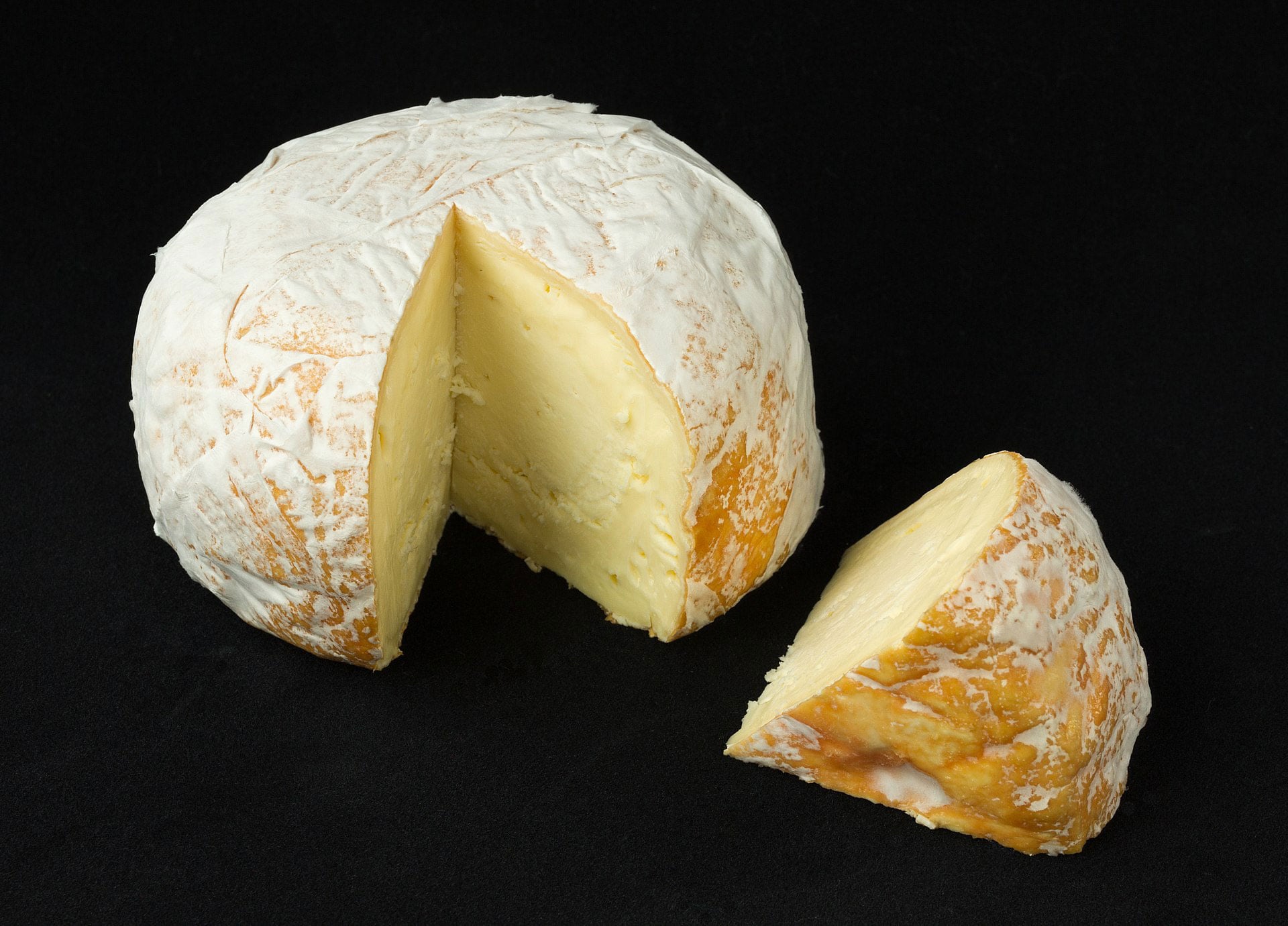
“The high-protein diet had one of the strongest anti-cholera effects compared to a balanced diet. And not all proteins are the same,” Hsiao said. “Casein and wheat gluten were the two clear winners.”
When the scientists examined the results more closely, they discovered that these proteins interfere with a tiny, needle-like structure on the surface of cholera bacteria. This structure is used to inject toxins into nearby cells. When it is suppressed, the mechanism known as the type 6 secretion system, or T6SS, becomes less effective, making it harder for cholera to kill competing bacteria and establish itself in the gut.
Public Health Implications
Cholera continues to pose a serious health risk in parts of Asia and Sub-Saharan Africa, particularly in regions where access to clean drinking water is limited. Current treatment strategies mainly focus on replacing lost fluids. While antibiotics can reduce the length of the illness, they do not eliminate the harmful toxins that the bacteria release.
Overuse of antibiotics also carries the risk of creating bacteria that no longer respond to drugs. Though antibiotic-resistant cholera is not an imminent threat, the quick-to-adapt nature of bacteria means a drug could quickly and sometimes unexpectedly change cholera’s behavior.
“Dietary strategies won’t generate antibiotic resistance in the same way a drug might,” Hsiao said.
A Low-Risk Preventive Strategy
For now, dietary strategies could offer a low-cost, low-risk tool to reduce the severity or likelihood of infection in vulnerable human populations.
“Wheat gluten and casein are recognized as safe in a way a microbe is not, in a regulatory sense, so this is an easier way to protect public health,” Hsiao said.
And although these findings come from mice, Hsiao expects high-protein diets would have similar effects for humans, so he would like to test these results on human microbiomes in the future, as well as on other infectious bacteria.
“Some diets will be more successful than others, but if you try this for pathogens other than cholera, I suspect we’ll also see a beneficial effect,” Hsiao said. “The more we can improve peoples’ diets, the more we may be able to protect people from succumbing to disease.”
Reference: “Diet modulates Vibrio cholerae colonization and competitive outcomes with the gut microbiota” by Rui Liu, Yue Zhang, Siyi Ge, Jennifer Y. Cho, Nathaniel C. Esteves, Jun Zhu and Ansel Hsiao, 1 December 2025, Cell Host & Microbe.
DOI: 10.1016/j.chom.2025.11.004
Never miss a breakthrough: Join the SciTechDaily newsletter.
Follow us on Google and Google News.