This post was originally published on here
Scientists have discovered hidden viruses in whales and orcas, revealing a secret side of ocean life no one had seen before.
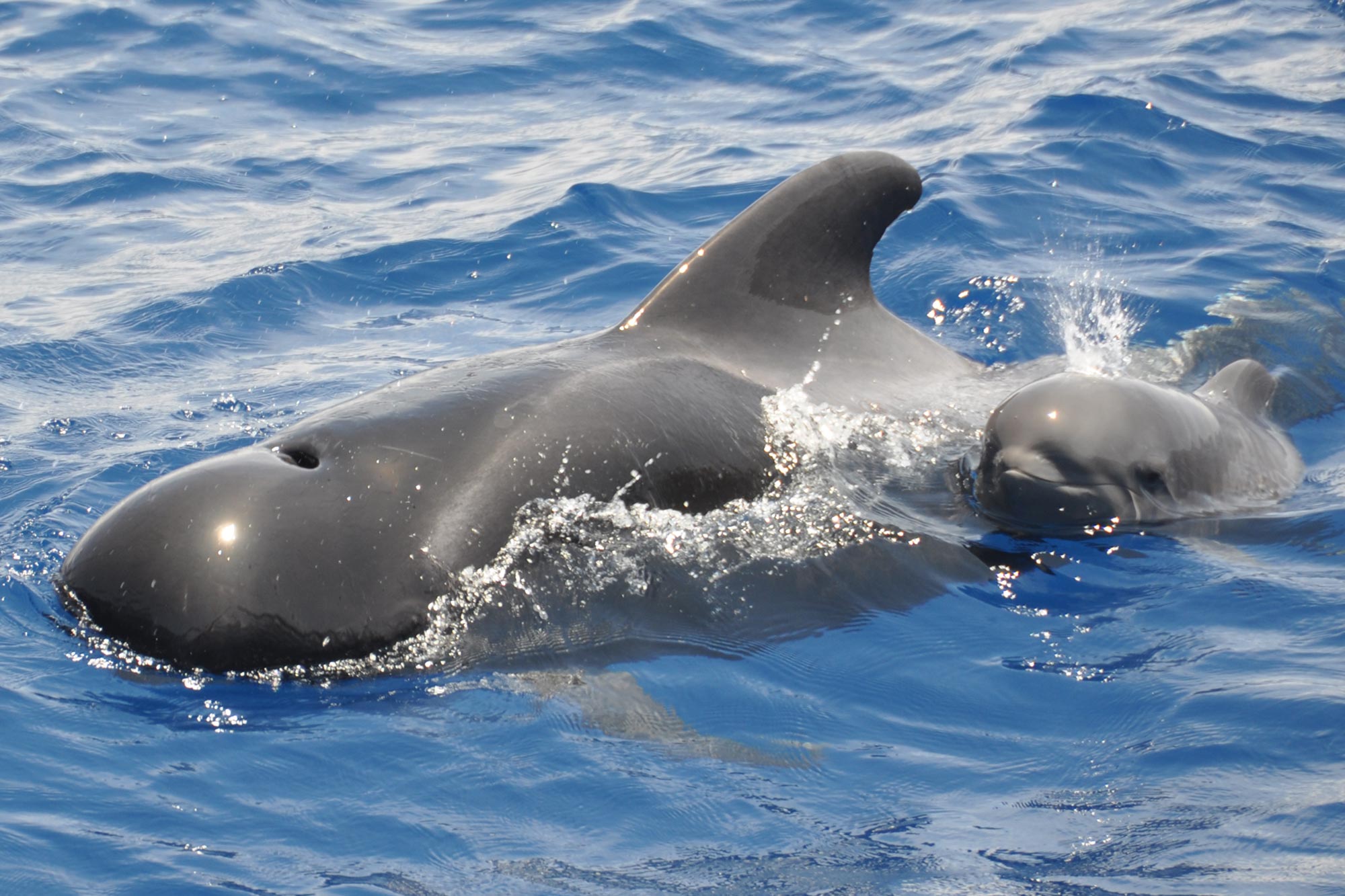
An international team of scientists has identified two previously unknown circoviruses in short-finned pilot whales and orcas living in the Caribbean region of the North Atlantic Ocean. The collaboration includes students and senior researchers from Arizona State University (ASU), Coastal Carolina University, The University of the South in the US, as well as researchers based in Saint Vincent and the Grenadines, The University of the West Indies at Cave Hill (Barbados), University of Cape Town (South Africa), and Institut Pasteur (France). This discovery marks the first time circoviruses have been detected in cetaceans from this part of the world and broadens the known range of circoviruses found in marine vertebrates.
How Researchers Identified the Viruses
The work is detailed in a study titled “Novel circoviruses identified in short-finned pilot whale and orca from the North Atlantic Ocean,” with Matthew De Koch as the first author. The research was led by Arvind Varsani, a virologist at ASU’s School of Life Sciences and Biodesign Institute. Using high-throughput sequencing, the team analyzed archived tissue samples taken from deceased whales. These samples were collected through long-standing partnerships between Russell Fielding (Coastal Carolina University) and artisanal subsistence whalers on the island of St. Vincent.
Through this analysis, researchers recovered seven complete circovirus genomes. Five of the genomes were found in short-finned pilot whales, while two came from orcas. The viruses represent two entirely new species, which the team named shofin circovirus and orcin circovirus. Both are clearly different from the only cetacean circovirus previously identified, beaked whale circovirus, which was discovered in a stranded whale from the Pacific Ocean.
What Makes These Circoviruses Unique
Closer examination of the viruses focused on their capsid proteins, which form the outer shell of the virus. The researchers found that certain surface-exposed regions were unusually expanded, especially the E-F loop. This loop is almost twice as long as the same region in porcine circovirus 2, one of the most thoroughly studied circoviruses. Genetic comparisons also showed that circoviruses found in whales and other cetaceans form a distinct and well-supported monophyletic clade within the genus Circovirus.
Based on the limited data currently available, the study suggests that circoviruses may have been infecting the ancestors of modern cetaceans early in their evolutionary history. However, the authors note that additional genetic sequences from a wider range of species will be needed to test this idea more thoroughly.
Open Questions About Health and Transmission
Much remains unknown about how circoviruses spread among whales and whether they cause disease. The manuscript points to earlier research on beaked whale circovirus that suggested a link to immunosuppression, which aligns with what is known about circovirus infections in land mammals and birds. Even so, the authors stress that further studies are needed to better understand circovirus diversity, transmission routes, and potential health effects in cetaceans.
Reference: “Novel circoviruses identified in short-finned pilot whale and orca from the North Atlantic Ocean” by Matthew D. De Koch, Simona Kraberger, Russell Fielding, Kendal Smith, Kelsie Schiavone, Katharine R. Hall, Vincent S. Reid, Diallo Boyea, Emma L. Smith, Kara Schmidlin, Rafaela S. Fontenele, Darren P. Martin, Mart Krupovic and Arvind Varsani, 5 December 2025, Virology.
DOI: 10.1016/j.virol.2025.110768
Never miss a breakthrough: Join the SciTechDaily newsletter.
Follow us on Google and Google News.