This post was originally published on here
Odisha, with nearly 11 million tonnes of annual paddy production, a strong scientific ecosystem, and proactive state support, has positioned itself as a frontrunner in this transition through participatory varietal selection, on-farm trials, community seed multiplication, and value-chain development initiatives in partnership with the International Rice Research Institute (IRRI) and other institutions, agro scientists said here on Monday.
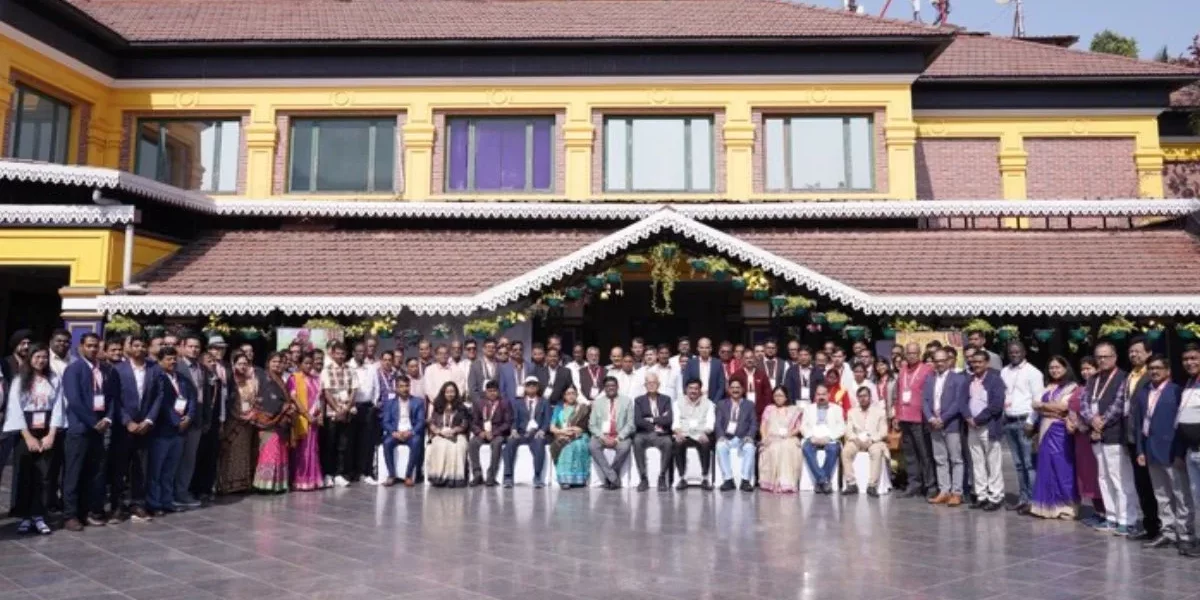
The experts on agriculture research said this while speaking at a two-day national workshop on “Positioning and Scaling Healthier Rice in Odisha’s Agri-Food System”, organised by the International Rice Research Institute (IRRI), in collaboration with the State’s Department of Agriculture & Farmers’ Empowerment (DA&FE).
Advertisement
With growing consumer demand for nutritious and health-supportive staple foods, speciality rice varieties have emerged as a powerful solution combining better nutrition, climate resilience, and enhanced farmer incomes.
Advertisement
The inaugural session featured senior leaders from IRRI, the Indian Council of Agriculture and Research institutions, Odisha University of Agriculture and Technology (OUAT), and the Government of Odisha. Over two days, participants engaged in high-level panel discussions and technical sessions covering recent advances in biofortified and low-GI rice, seed scaling strategies, branding and market integration, and embedding healthier rice into public food, nutrition, and procurement programs.
The workshop brought together policymakers, scientists, seed system experts, private-sector leaders, farmer organisations, and development partners to chart a clear, actionable roadmap for mainstreaming speciality rice, including high-zinc, iron-rich, protein-rich, and low-glycemic-index (GI) varieties, across Odisha and India.
The workshop delivered a practical roadmap for scaling speciality rice, along with policy recommendations, a seed scaling plan, and a market development framework to support sustainable adoption. Strengthened collaboration among government agencies, research institutions, seed corporations, private players, and farmer institutions was identified as a key outcome, Dr Swati Nayak, Scientist and South Asia lead for Seed Systems at IRRI, said on the occasion.
Advertisement