This post was originally published on here
For many years, Jane Doe lived an accomplished yet solitary life. A brilliant research scientist, she received a medal in 1969 for helping put a man on the moon and in 1974 moved to Santa Barbara to pursue a career in defense technology. She held senior positions that required high-level government clearances, most recently at Applied Research Associates in Goleta, and worked long hours, even into her eighties. “We never knew exactly what she did, but we knew she was a workaholic,” said Doe’s sister, Gayle Aruta.
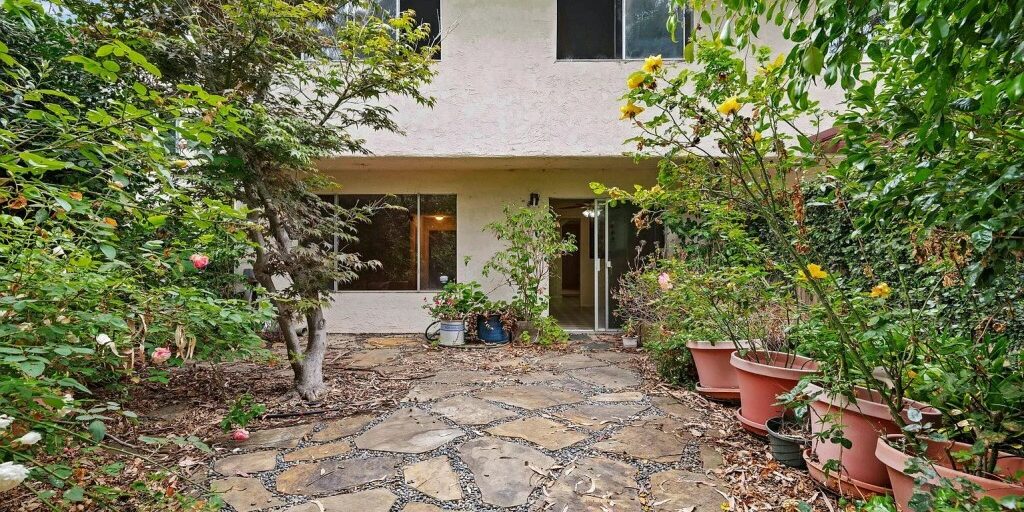
The other focus of Doe’s life was serving on the board of the homeowner association that manages her condominium complex off Modoc Road. She was an active member for two decades and took pride in making the small community a pleasant place to live. So, when Doe suffered a perforated bowel in 2022 that required a long stay in Cottage Hospital’s ICU, a fellow boardmember ― 61-year-old Russian national Inna Vladimirovna Cook, who also shared Doe’s love of cats and houseplants ― offered to help her get back on her feet.
Eighteen months later, on February 5, 2024, Santa Barbara authorities raided the home that Doe and Cook shared and discovered Doe, hungry and thirsty, lying under a deflated air mattress. “They found her alone essentially starving, eating only oranges and tomatoes, which are both high in potassium, which damaged her kidneys,” court documents state. Officials soon discovered Doe had recently signed possession of her condo, cars, cash, and investments ― assets worth more than $3 million ― over to Cook.
Police arrested Cook and prosecutors charged her with eight felony counts of elder abuse, theft, and money laundering. At a court hearing later this month, she will likely face additional charges and enhancements. Cook, currently out on bail, has pleaded not guilty and could not be reached for comment. Her attorney declined to discuss the case. Cook has also been hit with a civil lawsuit filed by Doe’s family that seeks substantial damages. As a victim, Doe asked that her identity remain private.
From the moment they met, Aruta had a bad feeling about Cook. “I realized within seconds of meeting her that there is something wrong with this woman,” Aruta said of their first encounter after Doe was discharged from the hospital and was settling back home. “I did not like her,” she said. “But my sister said she was a friend, so I gave it grace.”
Aruta accused Cook of “worming” her way into Doe’s mind when she was sick and weak, slowly but surely cutting her off from the few people in her life and taking control of her finances. Doe, 84 years old, was always a shy and submissive person, Aruta said, and her convalescence made her even more vulnerable. “She was a sitting duck,” Aruta said. “A perfect mark.”
The “brainwashing” process was gradual, Aruta alleged, but the warning signs started early. It began with Doe canceling plans more than once with Aruta, who then started receiving odd emails from Doe that she suspected were written by Cook. Aruta, who lives in San Diego, became so worried that she called for a wellness check on her sister, but when the police knocked on her door, Doe said she was fine.
After that, Aruta received an angry email, supposedly written by Doe, telling Aruta to stay out of her life. “My sister is especially nonconfrontational, and that email was very confrontational,” Aruta said. Over the next few months, Aruta and Doe’s neighbors called in six more welfare checks, but each time authorities responded they couldn’t find sufficient reason to act.
“The police need probable cause to break down a door ― a body, an injury, a call for help ― and social workers can’t enter a home without the police,” Aruta explained. “That’s why this took so long. Cook was so good at walking that line of evading probable cause.” Aruta wondered though, if seven calls for a single individual, especially if that person is ill and elderly, should prompt more aggressive action. “The synergy of all those calls should be met with a heightened response,” she said.
Then, Doe disappeared. Aruta drove north and found her condo empty. She filed a missing person report, put up flyers, and inquired at the coroner’s office, but learned nothing. It was only when Cook was arrested for DUI after crashing into a tree on Las Positas Road that detectives discovered she had moved Doe to another property that she had purchased with Doe’s money, and which was dead-bolted from the inside. That’s where they found Doe “drugged, malnourished, and suffering other health issues,” the lawsuit states.
Just 48 hours after being rescued, “my sister said it was like her mind had been cleared of a fog,” Aruta said. “She knows what that woman did to her,” calling Cook a “predator” and “a lying liar who loves to lie.” This Christmas, Doe sent a letter to an investigator that thanked him for saving her life. She now lives in an assisted living facility at a location Aruta would rather keep confidential because the family is still scared of Cook, who also owns property in Naples, Florida. “We don’t know how far her tentacles reach,” Aruta said.
Doe’s family has since recovered most of her assets, except for $150,000 in cash that Cook allegedly spent on gold, lingerie, and large Amazon orders. She also accrued more than $600,000 in tax penalties and interest from the sudden liquidation of Cook’s stock holdings. “We want justice, which means incarceration and restitution,” Aruta said. Officials have put a lis pendens on Cook’s Calle de los Amigos home, which prevents her from selling it.
The silver lining to the otherwise awful experience is that Doe, once isolated in her work, is now meeting new people, making friends, and reconnecting with family. A couple of men have also shown interest. “She’s safe now,” Aruta said. “She has new stories to tell, and that’s healthy.”
The case is being prosecuted by Senior Deputy District Attorney Brian Cota, who specializes in white-collar and elder abuse crimes, and who frequently secures stiff prison sentences for offenders. The next hearing is January 26 in Santa Barbara Superior Court.