This post was originally published on here
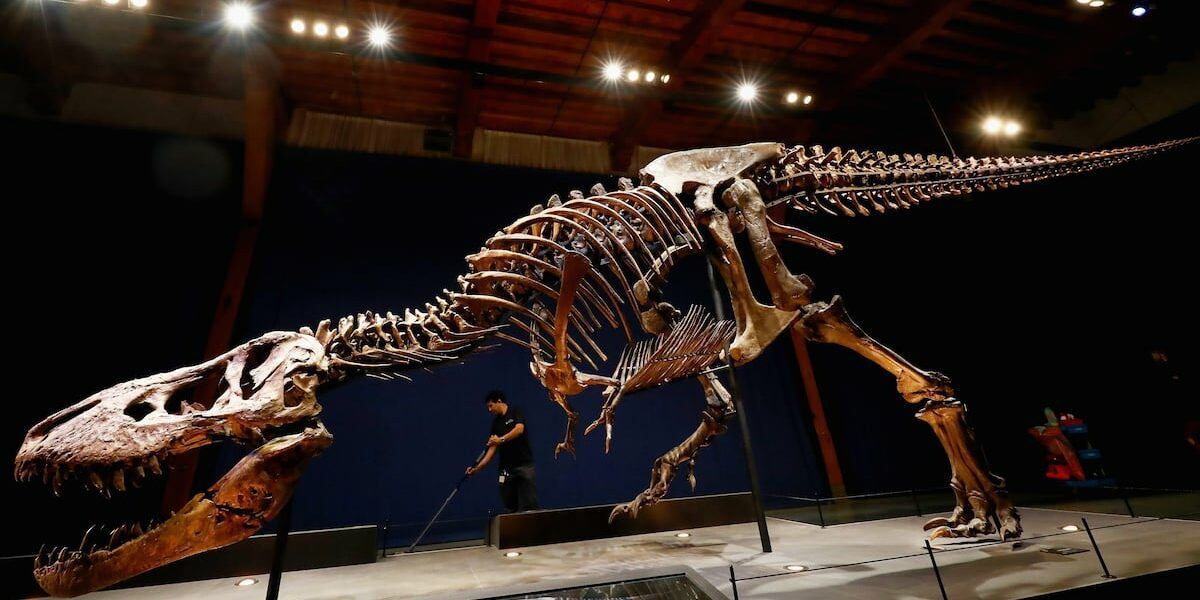
The prehistoric Tyrannosaurus rex didn’t balloon to its massive size as quickly as scientists once believed. Instead, the apex predator grew more slowly and lived longer, according to a new study published by the Journal Peer on Wednesday. Researchers examined bones from 17 specimens under polarized light, and scientists identified additional growth rings that had previously gone undetected. The findings suggest that T. rex wouldn’t have reached its staggering weight of roughly eight tons until around 35 to 40 years old—upending earlier estimates that placed peak size at around 25 years, with death occurring shortly after. Lead study author Holly Woodward said the analysis shows that “T. rex spent most of its life in the mid-body size range rather than achieving a total body length of 40 feet quickly.” She added that variation in growth-ring spacing indicates the dinosaur’s development was likely influenced by food availability and environmental conditions. That prolonged growth, Woodward said, helps explain why the T. rex was such a dominant apex carnivore. By growing slowly over decades, the species occupied different food niches throughout its life—feeding on a wider range of prey sizes—before eventually reaching a size where it competed mainly with other T. rex for resources.