This post was originally published on here
A small grove of century-old pines graces my Montana backyard.
Sometimes I think about all they have witnessed in the course of their lives: drought and piercing cold, raging winter storms, the threat of flames in the hills above, the birth of a small city. And more than a hundred turns of the year.
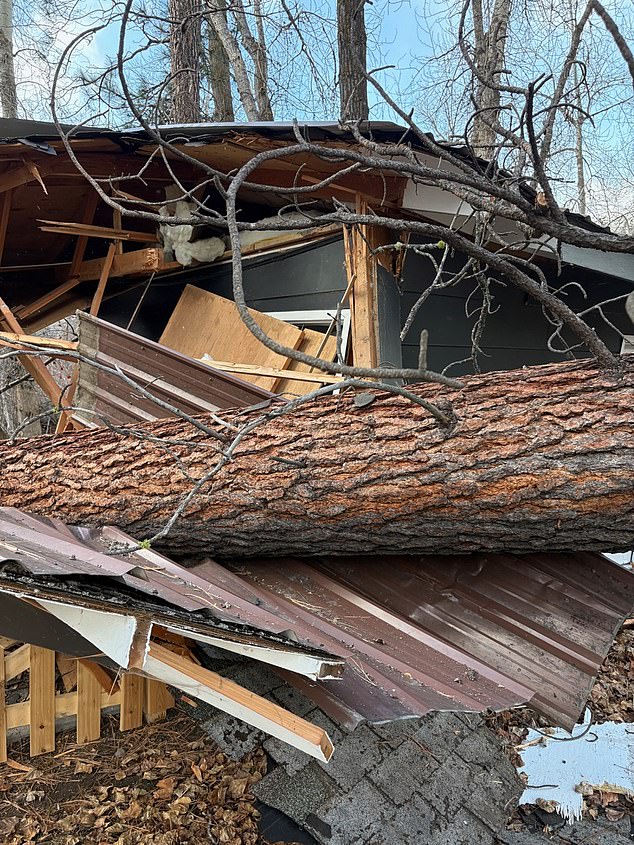
But just before the latest version, one of them said a dramatic farewell by demolishing a portion of our home. It felt like a fitting metaphor for much of 2025 in the world, and perhaps a marker of a transition in my own life.
Ten New Year’s Days ago, just hours after my wife took her final breaths, I woke to an unfathomable absence and wondered how I would possibly go on. Somehow, I dragged myself through the heavy air of the bedroom, not yet knowing how the tendrils of grief would take hold for years to come, and how they would lead to more pain – for me, and for others.
Loss can, if you let it, mirror an infectious disease; it doesn’t just take you down, it can land in the bodies of those you encounter and alter their lives. It spreads like the ripples of a stone thrown to water.
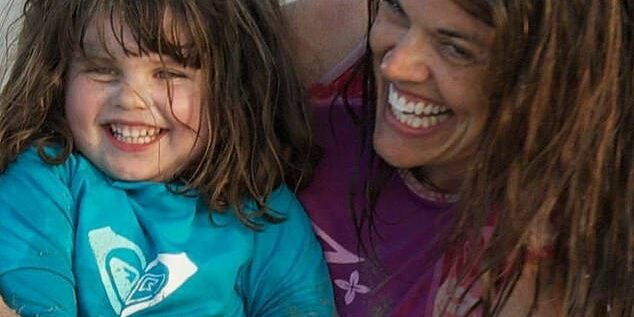
Our family’s grief was a combination platter that would sometimes make people shake their heads in disbelief. A pair of brain tumors took Diana down in the prime of her life – tumors that were diagnosed only a year after we were told that our four-year-old daughter Neva had a rare brain tumor of her own.
Among a blur of gutting moments, a tiny girl battling her own cancer asking if she gave the tumors to her mother will always stick out.
‘No,’ I told her, ‘it doesn’t work that way,’ as my insides threatened to explode.
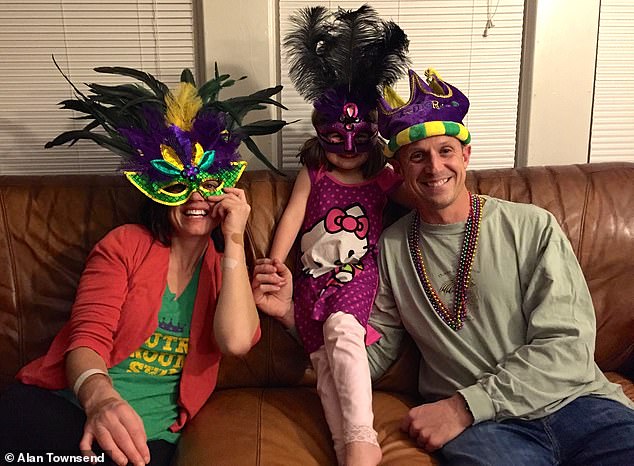
In time, I learned that the only way to arrest the waves of despair and loss was to meet them head on. That brings new forms of necessary pain: acceptance of choices you regret, coming to grips with the steps required to change your path, letting grief truly take hold so that it can move through you.
Of course, had Diana been around to counsel me, she probably would have shaken her head, busted out her giant grin and simply said: ‘Maybe you should just suck less.’
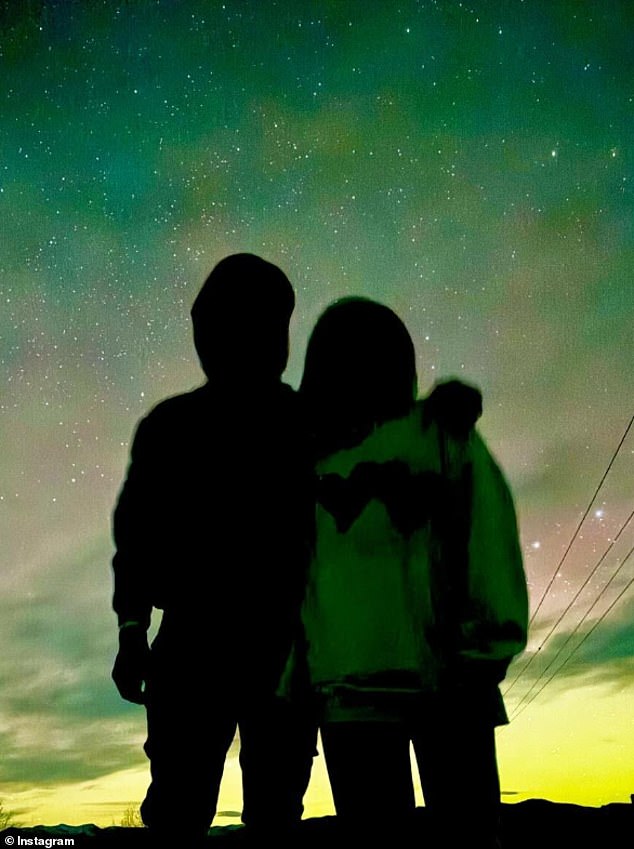
Eventually, part of my head-on approach came to include going out alone each New Year’s Eve to sit beneath the stars and try to feel her there. I did so again this year, but knew it would be different. Because while people’s better angels seemed to vanish again and again in 2025, the year also brought my daughter and me long elusive forms of peace and joy.
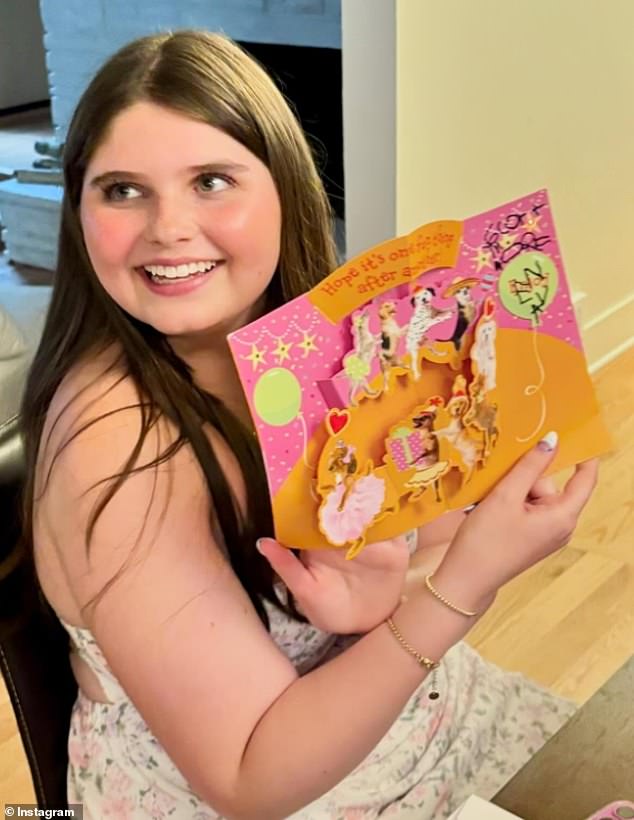
A 16-year-old Neva was declared cancer free. These days, she drives herself and her friends around town with delightful teenage normalcy. And over the last couple years, the loving next chapter Diana so badly wanted for each of us has become deep and real.
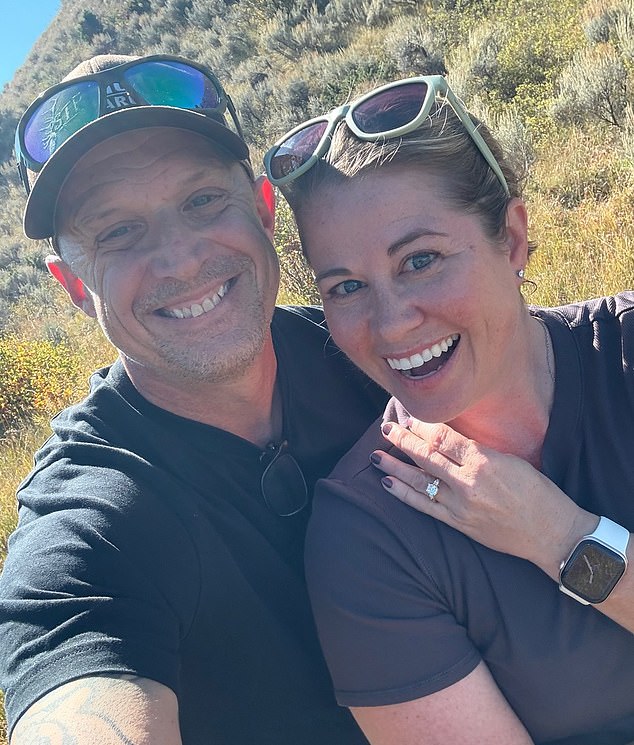
My fiancée Elizabeth and I talk of her often. Of how we each sometimes feel that she pulled the strings to bring us together, of how she’d probably laugh at all the difficulties thrown our way and say that suffering is good for our souls, of how Neva is her mother’s astonishing doppelganger.
Diana is part of our building family with a sweetness and presence I never thought possible on that crushing morning ten years ago.
She died late in the morning, and at the same moment on this New Year’s Eve, I sat quietly before the destruction of the fallen tree.
My eyes drifted across jagged timbers and protruding nails, a roof on the verge of collapse, a scattering of ruined possessions – all of it appearing as though some mythical giant had swatted away a portion of our lives.
But as I looked at the mess, I felt unexpected peace and a wave of gratitude. And I felt a pull to hike up somewhere high beneath the stars once darkness arrived, have the frigid air enter my bones, and let both the pain and the beauty of the past year take hold however they might.
I can’t explain it, but I had a sense that something would happen. And it did.
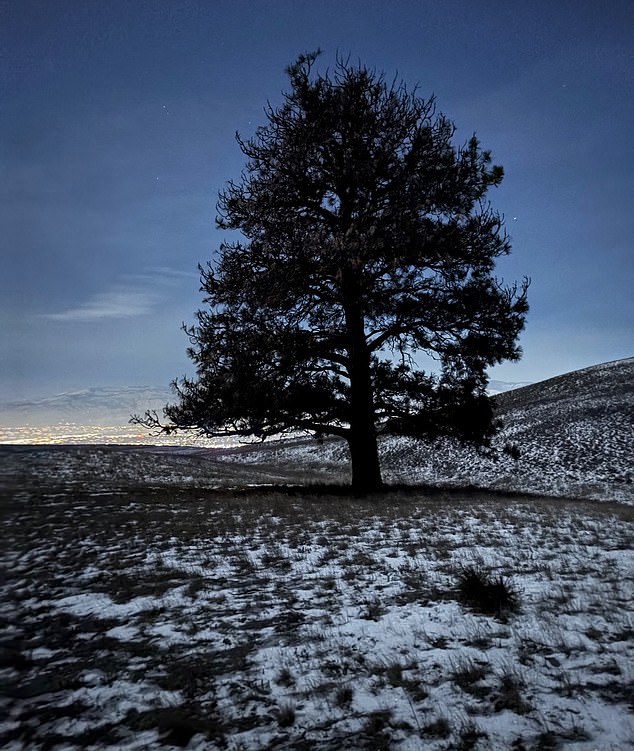
A few hours later, I set out in 12-degree air and headed for a distant ridgeline that bisected a moonlit sky.
When I reached the top, I took off my coat and hat and gloves, leaned against a nearby fence post and began to truly feel the cold of the night. I looked up at the stars for a bit, and as I have done in prior years, I said hello to her and told her a little of our lives.
Then I turned my attention to another old tree that stood just beyond the fence, its form silhouetted by the city lights far below. As I did so, a fox emerged from the tree’s shadow and began to walk slowly in my direction.
It reached the fence only a few feet away, ducked beneath the wires, and then sat on the trail for a few seconds.
It twitched its tail and cocked its head to one side as it took me in. Then it stood and shook itself like a dog before walking away, unhurried, still visible against the kindled snow for a long time.
When it finally disappeared, I realized I’d been holding my breath.
I’m a scientist, by both training and nature. Which means I’m often a skeptic, and that I haven’t spent much of my life believing in things that are beyond our earthly plane.
But the last ten years have brought the occasional transcendent moment I can’t explain. And as the infernos of grief lessened, I realized they forged something in me that is both welcomed and new. A desire to seek out moments like that night, and to rest easy in not knowing how they could possibly occur.
That tree could have concealed any number of animals. I’ve seen owls and eagles and hawks on that ridge. Coyotes, deer, elk, even a bear. But until that night, never a fox, let alone one that made me hold my breath.
Because you see, while Elizabeth loves all animals to an almost comical degree, one still takes the top spot. The fox.
As she said when I returned home, maybe the one on the ridge came out just to say that everything is as it should be. Or maybe, she wondered, Diana has been her fox friend all along.
Maybe both are true.
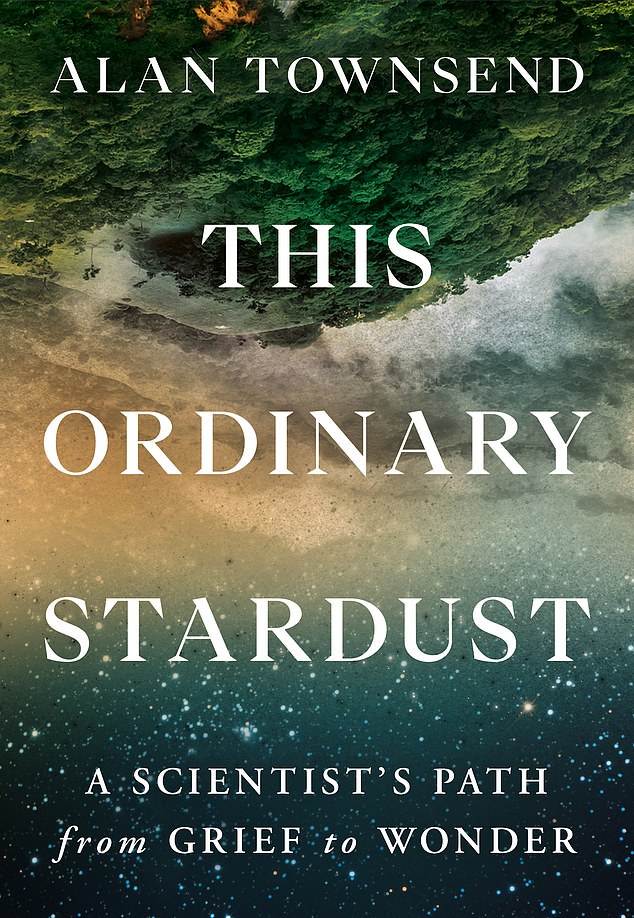
Alan Townsend’s book, This Ordinary Stardust: A Scientist’s Path from Grief to Wonder, is published by Grand Central