This post was originally published on here
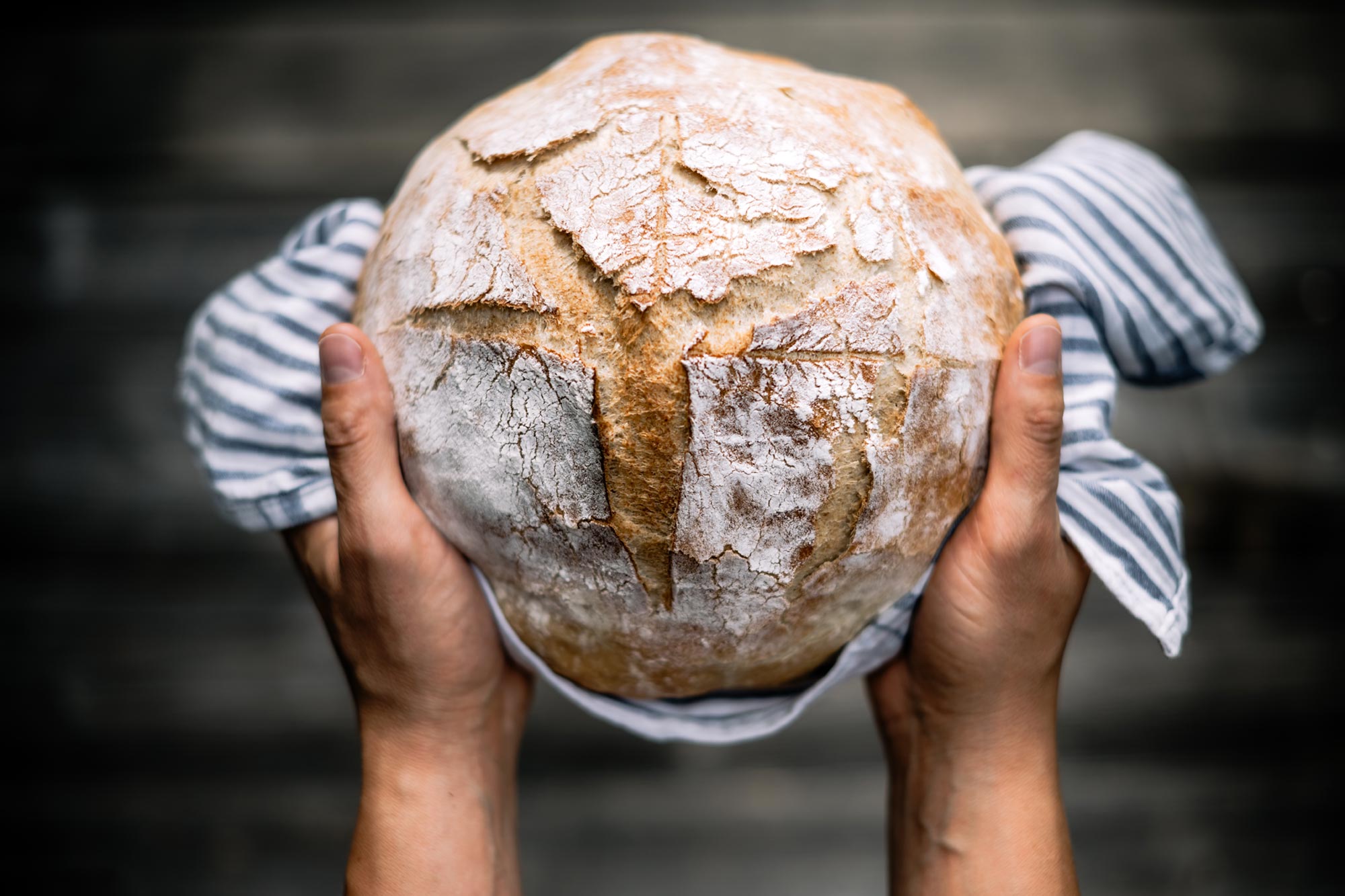
Sourdough fermentation reshapes wheat fibers through enzyme activity, influencing bread texture, nutrition, and flavor.
Bread has been a dietary cornerstone for millennia, and sourdough has recently returned to prominence. Many people value it for its natural image, nutritional profile, and rich taste. Yet the science behind sourdough fermentation remains complex.
What changes occur as the dough ferments, and how do fibers in wheat affect the final bread? These questions formed the basis of doctoral research by Víctor González Alonso, a scientist at the Vrije Universiteit Brussel (VUB), who investigated how arabinoxylans, a particular type of dietary fiber found in wheat, behave during sourdough fermentation.
“Wheat provides a large share of the calories and fiber consumed in Europe,” González Alonso explains, “and arabinoxylans play an important part in this. They help determine the structure and quality of bread.”
Why wheat fibers shape sourdough
Arabinoxylans (AX) exist in two main forms. Water-extractable (WE-AX) tend to support dough structure or have little negative effect, while water-unextractable (WU-AX) are more likely to impair bread quality. Until recently, scientists did not fully understand how sourdough microorganisms interact with these fibers. To address this, González Alonso examined fermentation across different types of flour, including some supplemented with extra AX. He tracked changes in microbial populations using advanced DNA-based methods alongside analyses of fermentation byproducts.
“We observed that sourdoughs develop into stable microbial ecosystems, with lactic acid bacteria and yeasts in a complex balance,” he says. “A higher fiber content barely altered this process, although we clearly demonstrated that sourdough fermentation converts part of the WE-AX into WU-AX.”
Strikingly, this breakdown was not mainly caused by the bacteria themselves, but rather by enzymes already present in the wheat, which become activated in the acidic environment. As a result, the fiber molecules become smaller, potentially affecting the bread’s digestibility and texture. Moreover, some bacteria were found to produce interesting flavor compounds: Lactococcus lactis created buttery aromas, while Limosilactobacillus fermentum generated sugar alcohols that may give the bread a subtly sweeter note.
From laboratory insight to real bread
The research did not remain confined to the laboratory. On a pilot scale, actual bread was baked using high-AX wheat flour. The outcome: sourdough loaves that were not only more nutritious but also offered new dimensions of flavor.
“Sourdough remains a fascinating interplay of biology and craftsmanship,” González Alonso concludes. “And our research shows that sourdough fermentation influences wheat fibers to a greater extent than previously thought.”
Reference: “Impact of arabinoxylan-enriched wheat flour on sourdough production” by Víctor González Alonso, 18 September 2025, Vrije Universiteit Brussel.
Never miss a breakthrough: Join the SciTechDaily newsletter.
Follow us on Google and Google News.